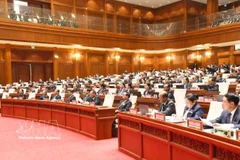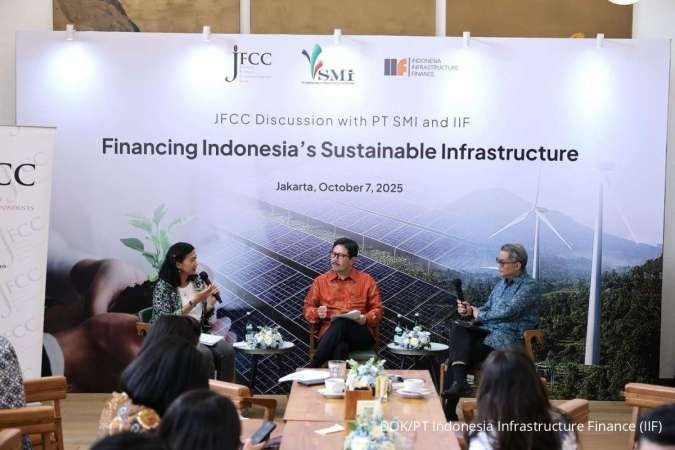
Jakarta (VNA) – Indonesia is stepping up efforts to mobilise green finance for environmentally friendly and climate-resilient infrastructure development, heard a seminar themed “Financing Indonesia’s Sustainable Infrastructure” held in Jakarta on October 7.
At the event, financial institutions such as Sarana Multi Infrastruktur (SMI) and Indonesia Infrastructure Finance (IIF) shared experiences in developing green financial instruments, issuing sustainable bonds, and supporting renewable energy projects.
President Director of PT SMI Reynaldi Hermansjah said the company has raised over 3.18 billion USD through the SDG Indonesia One platform – a blended finance initiative launched by SMI and approved by the Ministry of Finance to fund projects aligned with the UN Sustainable Development Goals. As of August, the platform had mobilised funds from 39 domestic and international partners, supporting 114 projects, of which 58% focus on renewable energy.
The SMI’s projects have helped cut around 4 million tonnes of CO₂ annually, equivalent to 14 million USD in carbon credits.
Since 2019, the firm has stopped financing coal-fired power plants, shifting entirely toward clean energy. Notable projects include Indonesia’s first wind farm in Sidrap, the Ijen geothermal plant in East Java, and the Tembesi floating solar power project in Batam, listed under the National Strategic Projects.
Meanwhile, IIF Chairman Rizki Pribadi Hasan said that by early 2025, 22% of IIF’s investment portfolio was allocated to renewable energy projects such as solar, hydro, biomass, and geothermal power. The total capacity of these projects reaches 710 MW, supplying electricity to over 709,000 households, or about 3.5 million people, and reducing 4.9 million tonnes of CO2 annually.
The IIF not only provides long-term loans but also expands cooperation in sustainable finance and consulting. Hasan noted that issuing sustainable bonds and applying international environmental and social standards have helped improve access to clean energy, safe water, and essential infrastructure, contributing to Indonesia’s just energy transition and sustainable development goals.
Participants also discussed the need to strengthen the national green finance framework, expand international cooperation, and promote innovative blended finance models to attract private investment in sustainable infrastructure./.