Quang Ngai (VNA) - Quang Ngai province is taking comprehensive measures to help fishermen shift to alternative livelihoods, reduce high-risk vessels, and modernise its fishing fleet, as part of efforts to safeguard fisheries resources and comply with the European Commission’s requirements for lifting the ‘yellow card’ warning on Vietnamese seafood.
These efforts closely follow the Master Plan for the Protection and Exploitation of Fisheries Fisheries Resources for the 2021-2030, with a vision toward 2050, which sets a target of reducing Vietnam’s fishing fleet to 83,600 vessels by 2030 and requires localities to cut their fleets by up to 12% compared with 2020 levels.
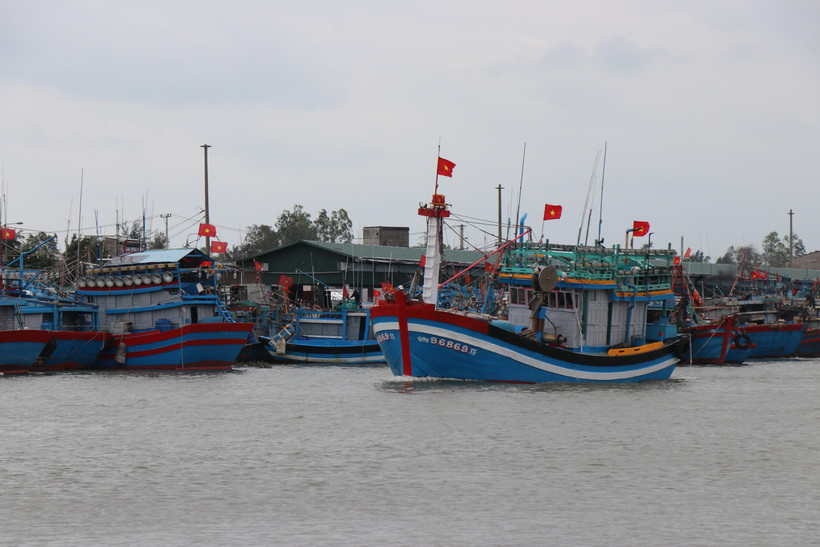
Le Van Phong from An Phu commune owns fishing vessel QNg 92821, with a capacity of 612 HP, which was built nearly 20 years ago. Over time, many parts of the vessel, especially the hull, have deteriorated, making it unsafe for fishing trips. Taking advantage of the province’s new policy supporting livelihood transition and vessel decommissioning, Phong decided to apply for dismantling his vessel in order to receive financial assistance for switching to a new livelihood.
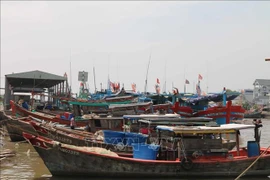
An Phu commune is home to approximately 1,300 fishing vessels, ranging from under 6 metres to over 25 metres, and has the highest number of substandard fishing vessels at high risk (46) in Quang Ngai.
The communal authority is intensifying communication efforts to inform boat owners about the province’s support policies, helping them carry out decommissioning and transition to other occupations.
In recent years, fishermen in Quang Ngai province have actively upgraded and retrofitted large-capacity vessels, applying technical advancements in fisheries operations. As a result, the province’s fisheries sector has continued to make notable progress, with annual catches consistently meeting or exceeding planned targets.
Quang Ngai has also focused on modernising its fishing fleet. The province now has 4,846 registered vessels, including nearly 3,000 over 15 metres long, while smaller vessels under 15 metres for nearshore fishing are gradually being reduced.
Many fishermen have received vocational training and financial support to transition to environmentally friendly fishing practices. The proportion of trawl fishing has declined from 31.05% in 2020 to 25.20%, while fisheries support activities have been promoted, rising from 1.0% in 2020 to 3.0% in 2025.
Vo Van Hai, Director of the provincial Sub-Department of Fisheries and Islands, said that in addition to restructuring the fishing fleet, the province is focusing on training and providing livelihood support for fishermen and coastal communities.
During 2023–2024, Quang Ngai implemented a project on sustainable livelihoods in coastal communities in Binh Son empowering local residents to conserve ecosystems and indigenous knowledge amid industrialisation and modernisation. As part of the project, community groups were supported to jointly manage and protect fisheries resources, the Ganh Yen coral reef ecosystem, and the Coc Trang – Bau Ca Cai mangrove forest ecosystem.
In 2024–2025, the provincial Department of Agriculture and Environment coordinated in establishing community groups to protect, manage, and develop seaweed farming in Van Tuong and Dong Son communes. This initiative provides fishermen as well as coastal communities with sustainable livelihood alternatives, helping to reduce nearshore fishing pressure.
Notably, Resolution No. 39 recently issued by the provincial People’s Council introduces policies supporting livelihood transition and the decommissioning of fishing vessels that are no longer needed for fisheries activities. This policy will encourage owners to dismantle non-compliant or inactive vessels, helping reduce high-risk boats involved in IUU fishing and meeting the Government’s requirements and targets set by the locality./.
Quang Ngai province records positive progress in combating IUU fishing
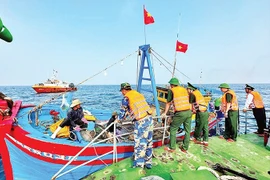
Quang Ngai is home to 4,846 fishing vessels, all of which have been registered and fully updated on the VNFishbase system. Of these, all 4,748 vessels currently in operation have been granted fishing licences, accounting for 100%. Meanwhile, 98 other vessels, or about 2% of the registered fleet, remain ineligible for the issuance or renewal of licences.