Malaysia should focus on people-centric measures, intra-ASEAN trade: experts

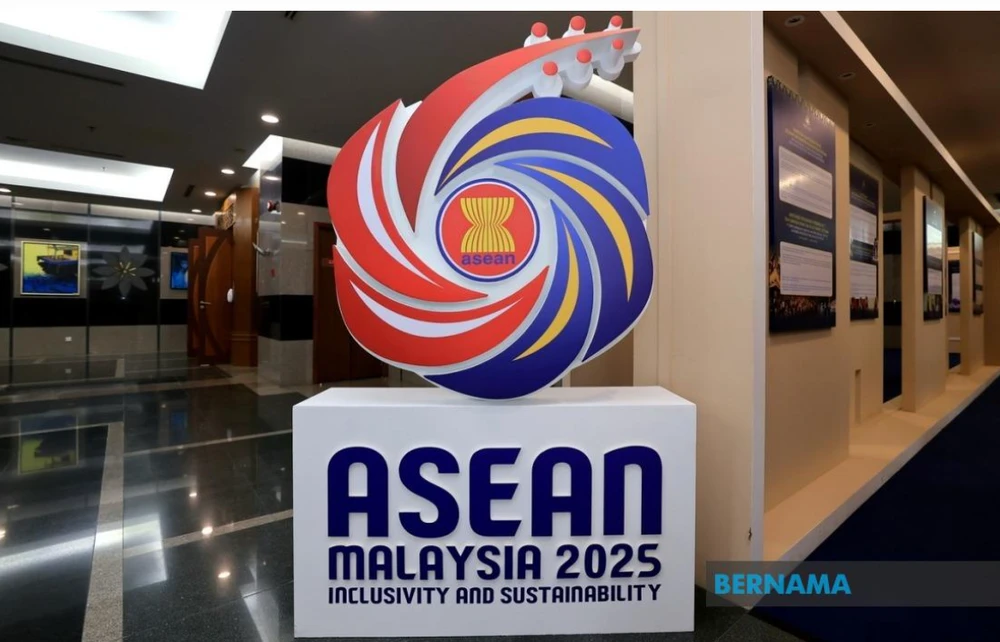
As Malaysia assumes the ASEAN chairmanship in 2025, it should focus on implementing more people-centric measures and enhancing intra-ASEAN trade, said experts.

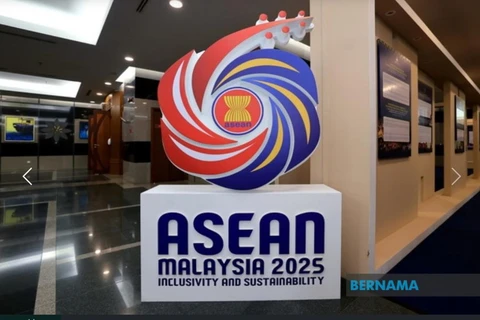
Illustrative photo (Photo: Bernama)

Kuala Lumpur (VNA) – As Malaysia assumes the ASEAN chairmanship in 2025, it should focus on implementing more people-centric measures and enhancing intra-ASEAN trade, said experts.

Microsoft’s ASEAN regional director of legal and government affairs Dr Jasmine Begum said as ASEAN has grown up and evolved, Malaysia has emerged as an influential player, not just within the regional framework but also on the global economic stage.

She emphasised that an opportunity is beyond just movement of goods and trade, it is the movement of people, and small business.

Startup companies from across the region, whether it is Grab Malaysia, Gojek (Indonesian e-hailing company), have gone transnational, ASEAN and global.

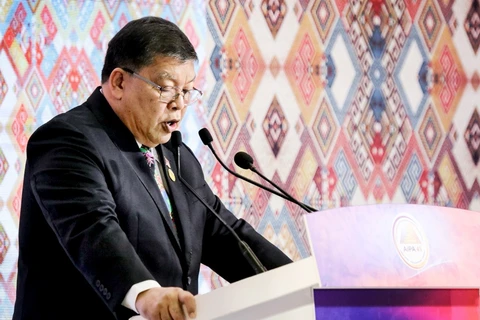
Meanwhile, Dr Oh Ei Sun – a senior fellow at the Singapore Institute of International Affairs - said intra-ASEAN trade currently accounts for only 25% of the total trade between ASEAN countries and the world’s major economic powers.

“If we could raise that to half, doubling the intra-ASEAN trade, it would be a notable achievement for Malaysia, he said as cited by Malaysian national news agency Bernama.

He said Malaysia can welcome investments from fellow ASEAN countries, which can, in turn, invest more in other ASEAN nations. On that basis, ASEAN countries can do more by advancing towards economic collaborations with ASEAN economic communities.

That will make ASEAN the most economically dynamic and fastest growing region in the world, he said.

He also emphasised that Malaysia should adopt a more people-centric approach as ASEAN chair next year, highlighting how ASEAN cooperation and other initiatives can directly benefit the lives of everyday people.

Experts also said that Malaysia can promote the mobility of the digital economy. Accordingly, the digital economy is creating opportunities for people to access economic centres. They appreciated the implementation of the ASEAN Digital Economy Framework Agreement (DEFA) which aims to boost the regional digital economy to hit 1 trillion USD by 2030./.
VNA

See more

The opening ceremony of the 48th ASEAN Summit in Cebu, the Philippines, on May 8, 2026 (Photo: VNA)

ASEAN enhances fight against cybercrime, online scams

In a statement issued by the ASEAN Chair on May 9, the regional bloc welcomed ongoing initiatives aimed at enhancing cross-border cooperation, building cybersecurity capacity, and improving protection and assistance for victims and survivors of online scams.

The newborn pygmy hippopotamus “Nong Moo Daeng” at Nakhon Ratchasima Zoo (Photo: pattayamail.com)

Thailand: Nakhon Ratchasima Zoo debuts newborn pygmy hippo

The name “Nong Moo Daeng” received the highest number of votes among five shortlisted names, securing its place as the calf’s official name. The result indicates strong public engagement and growing interest in wildlife cared for by the national zoo network.

Illustrative image (Photo: straitstimes.com)

Malaysia to tighten EV imports

The Malaysian Ministry of Investment, Trade and Industry issued a circular to car importers with new regulations that effectively increase the minimum retail price of fully imported EVs and also increase the minimum power output for such models.

E-commerce giant Amazon cuts jobs in Singapore

E-commerce giant Amazon cuts jobs in Singapore

The move marks a change in direction for Amazon.sg, which launched in 2019 to provide Singapore customers with a localised storefront offering local currency and payment options, Singapore-specific deals and Prime membership benefits.

Illustrative photo (Photo: freemalaysiatoday.com)

Malaysia maintains growth momentum in first quarter of 2026

BNM said domestic investment activity will be driven by progress in multi-year projects in both the public and private sectors, implementation of new smaller-scale public projects, strong realisation of approved investments, and the continued rollout of national master plans.