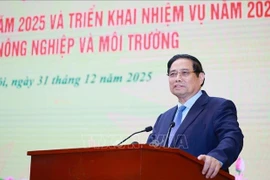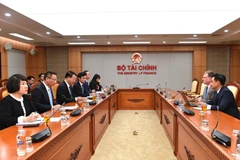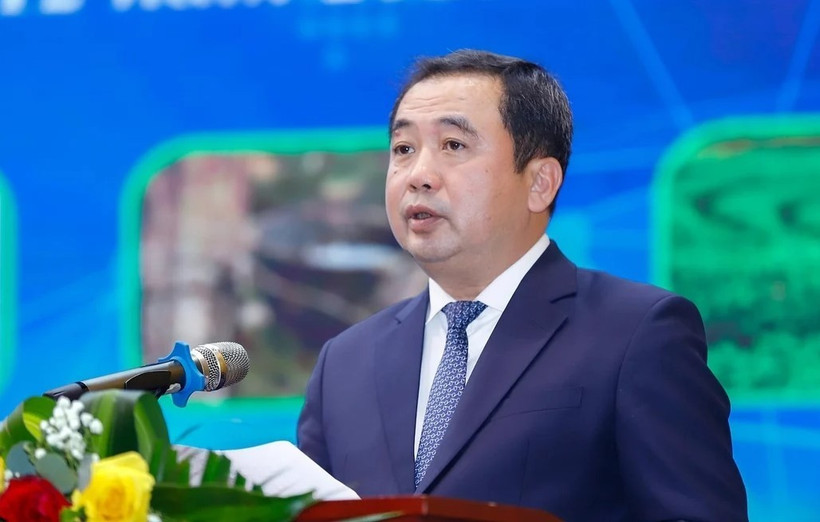
Hanoi (VNA) – Vietnam’s agriculture sector is entering a decisive phase where volume alone can no longer drive export growth, but must be anchored in quality, sustainability and added value, Minister of Agriculture and Environment Tran Duc Thang said when reviewing the sector’s performance in 2025.
When outlining priorities for 2026, he emphasised that only by improving products at home can Vietnamese farm products secure firm “passports” into demanding global markets.
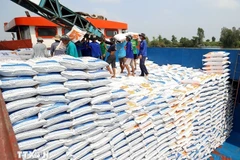
Despite global economic uncertainties, intensifying trade barriers and increasingly extreme climate impacts, agriculture and the environment sector remained a pillar of Vietnam’s economy and social stability in 2025. Export turnover of agro-forestry-aquatic products reached a record 70.09 billion USD, far exceeding the target assigned by the Government. This achievement, the minister noted, reflected not only resilience but also improving production organisation, market adaptability and competitiveness amid strong headwinds.
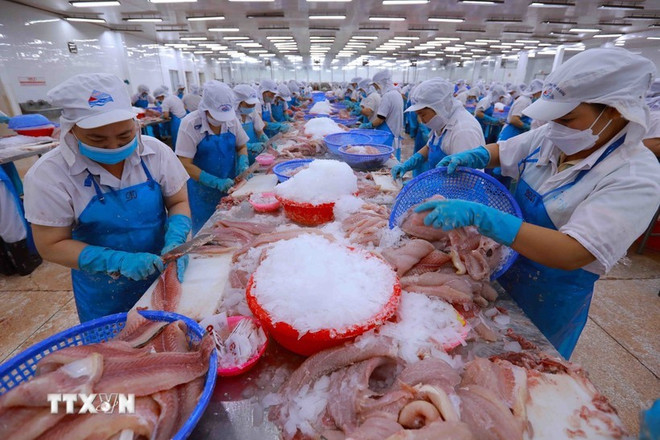
As importing markets tighten requirements on food safety, traceability, environmental responsibility and social standards, sustainable exports depend on meeting higher benchmarks from the very start of the value chain. Failure to do so risks shipment rejections, rising compliance costs and reputational damage that can take years to repair.
Looking ahead to 2026, the ministry has identified four groups of major solutions to maintain export momentum while strengthening sustainability. The first is raising quality standards and tightening control at source, described by the minister as a critical “soft barrier” for long-term market access. This includes completing technical standards, strengthening food safety and quarantine management, controlling pesticide and drug residues, expanding traceability systems, and enforcing discipline in the use of agricultural inputs. When quality is ensured from the root, compliance risks fall and national brand credibility rises.
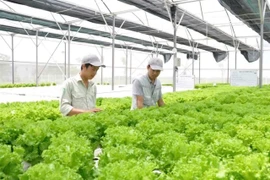
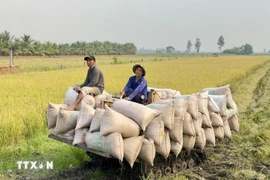
The second pillar is restructuring production in line with green agriculture, the circular economy and value-chain development. Priority will be given to developing standardised raw material zones, scaling up proven models such as the one-million-hectare programme for high-quality, low-emission rice in the Mekong Delta. It also includes promoting sustainable forestry with multi-value forest ecosystems, and reorganising fisheries toward lower emissions and wider international certification. Integrated, circular agricultural models that optimise by-products are encouraged, provided they are properly monitored and meet environmental regulations.
Market diversification and the elevation of agricultural diplomacy form the third solution group. While maintaining traditional markets, Vietnam will proactively expand into high-potential destinations, better leverage free trade agreements, and intensify technical negotiations to remove barriers and address trade defence issues. Equally important is building a compelling narrative of “green, transparent and responsible Vietnamese agriculture” as a new competitive advantage in global value chains.
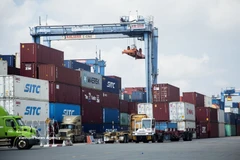
The fourth focus is developing deep processing, storage, logistics and digital transformation across supply chains. The ministry sees post-harvest handling and processing as decisive levers for boosting value added and reducing losses. Investment in regional processing facilities linked to raw material areas, specialised cold storage and logistics systems, and digital tools for supply-demand forecasting and quality management will help create transparent, responsive supply chains capable of meeting rapidly evolving market requirements.
Running through all these solutions is the imperative of safeguarding national credibility, particularly in fisheries. Vietnam will continue to strictly implement measures against illegal, unreported and unregulated (IUU) fishing. It plans to directly address the European Commission (EC)’s recommendations and work toward lifting the “yellow card.” Stronger enforcement against violations in foreign waters is seen as essential to restoring trust and securing higher-value markets.
Thang emphasised that when credibility is firmly established, Vietnamese agricultural products will gain stronger “passports” to enter demanding markets at better prices. By shifting decisively from quantity-driven growth to quality-led, sustainable development, Vietnam’s agriculture aims not only to maintain export momentum, but to position itself as a reliable, responsible supplier in an increasingly selective global marketplace./.