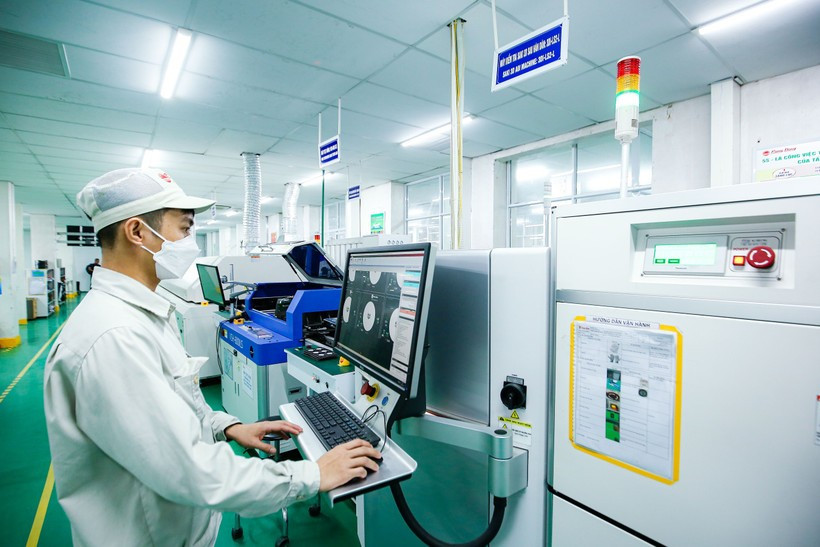
Hanoi (VNA) – Vietnam’s gross domestic product (GDP) in the first nine months of 2025 grew by 7.85%, reflecting the effectiveness of flexible macroeconomic policies.
The nine-month GDP expansion ranks as the second-strongest performance in the 2011-2025 period, trailing only the 9.44% growth achieved during the same period in 2022, the National Statistics Office (NSO) under the Ministry of Finance reported on October 6.
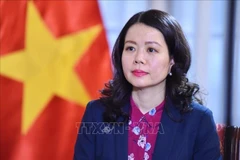
NSO Director Nguyen Thi Huong said that this impressive result was not coincidental but rather the result of a series of flexible macroeconomic policies, the government's strong determination, and the unity of the entire population.
Huong emphasised that the success of Vietnam's economy in the period was strengthened by decisive actions in the political sphere. With the highest level of determination to mobilise and unlock all resources for socio-economic development, the government has focused on completing a massive workload in a relatively short time. This included implementing a revolution in government organisation, reorganising administrative units at all levels, and building a two-tier local administration system. Legal regulations related to these efforts have also been revised, especially those related to decentralisation, and delegation of authority linked with the two-tier local administration model.
The efforts to reform institutions, especially in government organisation and the improvement of the legal framework, have created a much more favourable environment for business and production activities. This has laid a solid foundation for enterprises, particularly in the private sector, to fully realise their potential.
Additionally, the NSO leader emphasised the implementation of major Resolutions of the Politburo on the development of science and technology, innovation, national digital transformation, international integration, and the renewal of lawmaking and enforcement, which, she assessed, have provided additional momentum for growth.
The celebrations for major national holidays, such as the 80th anniversary of the August Revolution (August 19) and National Day (September 2), not only ignited a sense of national pride but also generated a strong sense of vitality and motivation for the people to continue striving towards achieving socio-economic development goals.
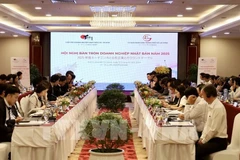
Reports from the office noted that ministries, sectors, and localities have closely monitored the complex fluctuations in both the global and domestic economies. As a result, they have promptly introduced flexible solutions to achieve the set objectives. This proactive approach has played a crucial role in maintaining macroeconomic stability and driving continuous growth.
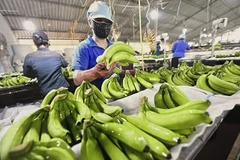
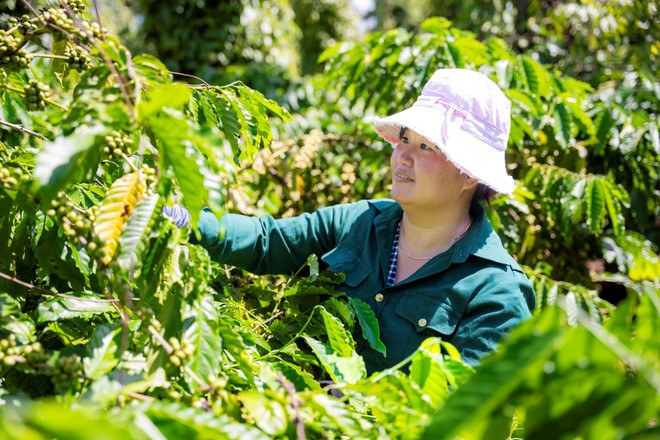
In the period, amidst complicated developments across the globe and fierce strategic competition among major powers, the country has achieved robust economic performance. The agro-forestry-fishery sector remained stable despite storms and floods, thanks to timely disaster response measures. In the sector, crop production rose 3.46%, forestry 6.46%, and fisheries 4.48%.
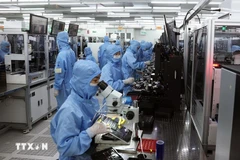
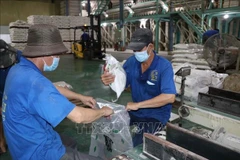
Industry and construction were major growth engines. Industrial output expanded 8.55% overall, driven by a 9.92% increase in manufacturing and processing, and a 9.33% rise in construction.
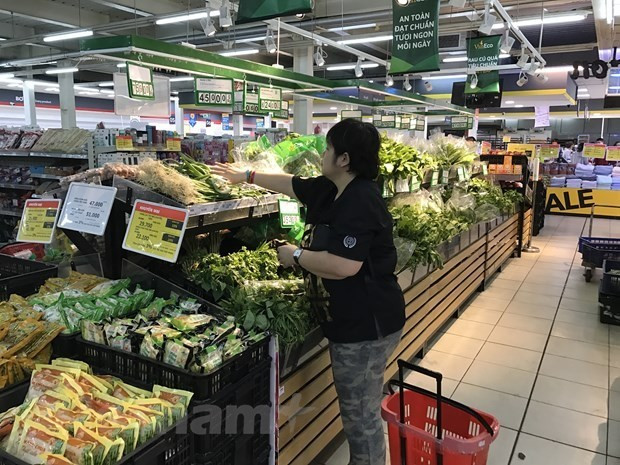
Services flourished on the back of surging domestic consumption, tourism, and retail demand, particularly during the country's national holidays. The sector’s 8.49% growth was second only to its 11.37% pace in 2022. Wholesale and retail climbed 8.28%, transport and warehouse jumped 10.68%, banking and insurance rose 7.06%, and accommodation and catering services increased 10.15%.
Regarding economic structure in the nine-month span, the agro-forestry-fishery accounted for 11.3% of GDP, industry and construction 37.58%, and service 42.92%.
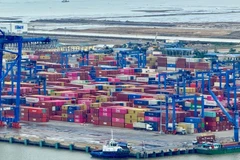
On the demand side, final consumption expenditure grew 8.07%, capital formation 8.52%, export 15.51%, and import 16.75%./.