Hanoi (VNA) - With a powerful spirit of innovation and creativity, numerous private enterprises have pioneered investment in research and development to elevate product quality and brands, gradually establishing their positions in international markets.
Many have risen to become influential brands that have gained recognition both at home and abroad.
Private sector’s dominance
According to Brand Finance, Vietnam's national brand value reached 507 billion USD in 2024, ranking 32nd globally and climbing one position from the previous year. This achievement reflects collective efforts, with the most notably being the pioneering footprint of private enterprises such as VinFast, Vinamilk, Masan, Duy Tan, and TH True Milk. These brands have not only reached global markets with high-quality products but also built compelling brand narratives, innovation spirit, and sustainable development commitments.
The number of businesses receiving the Vietnam Value title grew significantly, from 30 in 2008 to 190 in 2024, representing 359 products. These enterprises generated revenue of up to 2.4 quadrillion VND (91.7 billion USD), contribute 150 trillion VND to the state budget, and create jobs for over 600,000 workers.
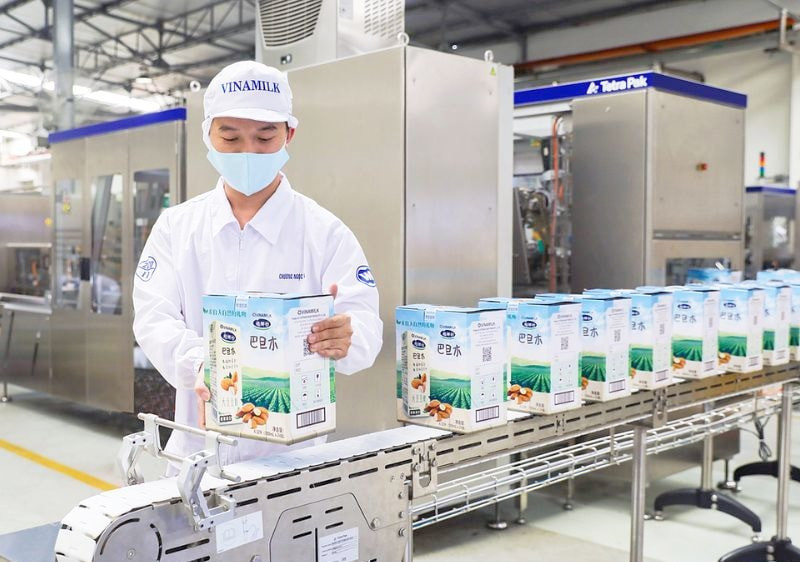
Vinamilk, particularly, has made tireless efforts to bring Vietnamese brands to global standards, ranking sixth among the world’s top ten most valuable dairy brands and second in global brand strength, Brand Finance rankings showed.
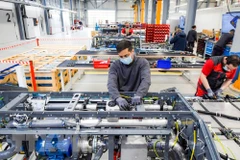
Other standout brands include TH Milk and Nafoods in the agricultural, food and beverage sectors, PlasmaMED in high-tech health care, who exemplify how Vietnamese private businesses are going global by product quality, brand identity, innovation, and a sustainable vision, reinforcing Vietnam’s image as a dynamic and responsible nation in the international community.
Deputy Director of the Ministry of Industry and Trade’s Trade Promotion Agency Hoang Minh Chien noted that without the private sector’s drastic engagement and persistent companionship, the National Brand Programme could not have attained its current achievements. Amidst globalisation and fierce competition, private firms’ proactive investment in technology, management, and brand building is the key to positioning the value of Vietnam’s goods and services, helping improve the nation’s images.
Support mechanisms needed
Despite their pioneering role in promoting the Vietnam brands, private enterprises have continued to face significant barriers on the international stage. Beyond capital, technology, and talent constraints, a lack of support policies remains a major hurdle.
Deputy Secretary General of the Vietnam Chamber of Commerce and Industry (VCCI) Dau Anh Tuan said although Vietnamese products have been present in 200 countries and territories across the globe, many brands have struggled overseas due to weak intellectual property protection, irrational brand communication strategies, or intense competition of similar-tier products from China, Thailand, and the Republic of Korea.
Against the backdrop, building national brands should be collective efforts of the State, industry associations, trade promotion agencies, enterprises, and consumers, he underscored.
To encourage private enterprises to make further contributions in the coming time, the State should continue to improve the investment and business environment, ensuring conditions for the sustainable business and investment of the private firms, according to Chien.
Simultaneously, the State should create mechanisms and policies encouraging private enterprises to apply scientific – technological, and innovative advancements as well as adopt sustainable business models and cleaner production technologies. The State will bolster a startup and innovation spirit, support to improve labour productivity, develop high-quality human resources, enhance management and corporate governance capabilities, while strengthening the roles of business associations.
For businesses, Chien held that it is necessary to develop high-quality products that reflect Vietnam’s unique strengths. He also emphasised the need for companies to standardise and digitise management and production processes in accordance with international norms, in order to boost competitiveness, reduce wastefulness, and remain agile in a volatile global market.
Enterprises should develop a people-centred management model, which is also able to promote innovation, while reforming distribution systems to earn lasting trust in global markets, he suggested./.
VNA