Hanoi (VNA) – With its breakthrough solutions, Resolution 68 is expected to unlock the potential and creativity of the private sector economy, contributing to the country’s sustainable development.
The Politburo’s Resolution 68 on private economic sector development is seen as a pivotal turning point, laying the foundation for a qualitative transformation of this economic area.
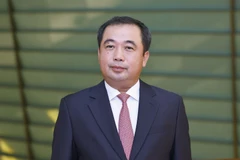
Phan Duc Hieu, a member of the NA deputy delegation of Thai Binh province, stated that Resolution 68 marks a major turning point in the development of the private economic sector, comparable to other significant milestones in the past.
The resolution is expected to bring about a qualitative transformation of the private economic sector, enabling it to truly become the most important driver of socio-economic development, he said.
The highlights of Resolution 68 lie in three key principles. These include reducing administrative burdens by streamlining procedures to make it easier for businesses to enter and operate in the market; enhancing legal protection to safeguard the legitimate rights and interests of businesses, thereby boosting investor and entrepreneur confidence; and unlocking resources by facilitating access to capital, technology, and other essential resources for production and business activities.

According to Hieu, Resolution 68 is a policy document that conveys a shift in mindset and a firm commitment by the Party and State toward the development of private sector. Specifically, the resolution affirms that the sector is the most important driver of socio-economic development, and calls for the elimination of all prejudices and barriers against this sector.
It also clearly reflects a new approach to policymaking and institutional implementation regarding the private economic sector, he added.
To realise the goals, the resolution removes institutional barriers creating a fair, transparent, and competitive business environment. It safeguards enterprise freedom by ensuring that businesses can operate freely within the legal framework.
It also underlines the need to promote innovation by encouraging enterprises to invest in research and development and apply new technologies in production and business operations, he said.
Private businesses should be supported to improve management capacity, product quality, and international integration. They should also enhance connection with other economic sectors and participation in global value chains, Hieu went on.
The key factor for Resolution 68 to be effective lies in the determination and decisiveness of its implementation, he said.
The resolution emphasises eliminating all unnecessary administrative burdens, shifting the mindset of state management from pre-inspection to post-inspection, while enhancing accountability of state agencies, he said. Close coordination among ministries, sectors, and localities during the implementation of the resolution is essential to ensure effectiveness and consistency.
The Government needs to promptly issue detailed guidance documents to formalize the provisions of the Resolution, while also strengthening inspection and supervision of its enforcement across all levels and sectors, he said./.