Hanoi (VNA) - The Politburo’s Resolution 70-NQ/TW on ensuring national energy security by 2030, with a vision to 2045, has just been issued. It is set to become a beacon, illuminating and guiding the entire energy sector through this new phase of development.
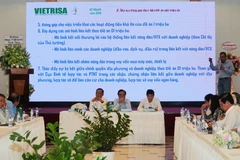
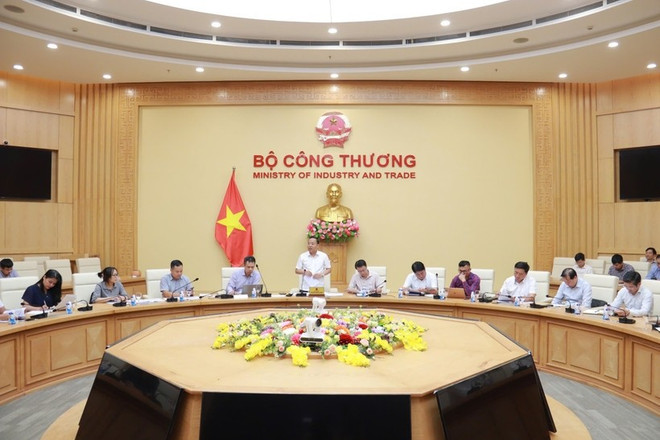
This information was highlighted at the above-said conference aimed to implement the Politburo’s Resolution 70 on ensuring national energy security by 2030, with a vision to 2045. The event was held by the Ministry of Industry and Trade on 4 September.
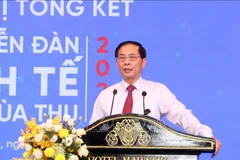
Speaking at the event, Deputy Minister of Industry and Trade Nguyen Hoang Long stated that Resolution 70 requires the active participation of the entire political system. The Ministry of Industry and Trade will serve as the core implementing body, but must work closely with other ministries, sectors, local authorities, and relevant organisations. Implementation, he emphasised, is always the most difficult stage, requiring the highest level of determination, substantial effort, and truly decisive action.
Regarding the implementation of the Resolution, Nguyen Anh Tuan, General Director of Vietnam Electricity (EVN), shared that EVN has assigned its functional departments to develop programmes and action plans to implement the Resolution 70. These include adhering closely to the guiding principles of the Resolution, particularly the improvement of institutional and policy frameworks. One priority is the early adoption of a two-component electricity pricing mechanism. If implemented comprehensively and transparently, this mechanism would eliminate the need to maintain price differentials among electricity consumers.
Furthermore, EVN is developing mechanisms for mobilising power sources in a manner consistent with energy security, giving priority to baseload sources (coal and gas) in accordance with operational technical requirements. At the same time, renewable energy investors are encouraged to develop energy storage systems to ensure transparent and fair participation in the electricity market.
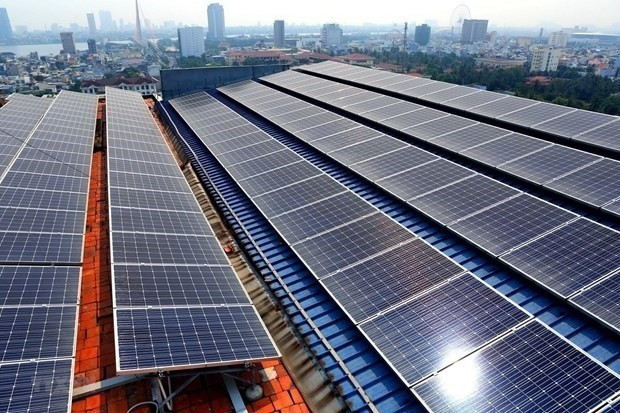
At the conference, Phan Tu Giang, Deputy General Director of the Vietnam National Oil and Gas Group (Petrovietnam), remarked that Resolution 70 represents a significant step forward compared to the previous Resolution 55, offering more open mechanisms and creating favourable conditions for investment and management in the energy sector. Petrovietnam is currently formulating an action plan to align the group’s development strategy with the objectives of national energy security.
In his concluding remarks, Deputy Minister Nguyen Hoang Long stressed that Resolution 70 serves as a “compass for action” of profound significance to the country’s energy development. While Resolution 55 previously laid the strategic groundwork — earning both domestic and international recognition — Resolution 70 advances a step further. It is more detailed, more practical, and closely aligned with real-world demands, addressing urgent and pressing issues currently facing the energy sector.
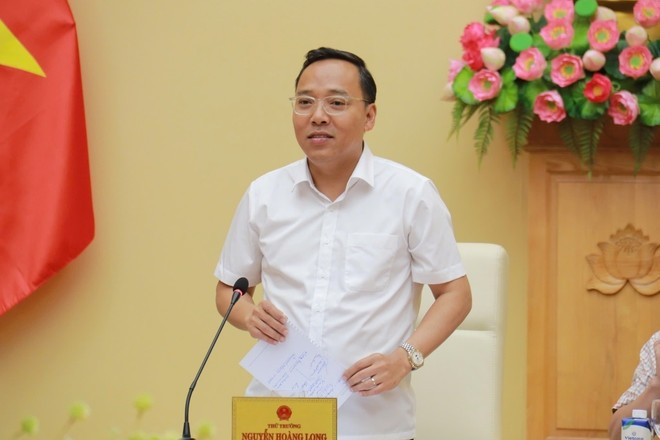
According to Deputy Minister Nguyen Hoang Long, thanks to the focused efforts and constructive contributions of representatives from various agencies, organisations, and corporations involved in the drafting process, Resolution 70 has been refined to accurately reflect the aspirations and development needs of the energy sector.
However, the Deputy Minister emphasised that the Resolution marks only the starting point. The greatest challenge now lies in translating it into reality — a stage that will be arduous and demanding, requiring decisive action, innovation, and an immediate, proactive attitude./.