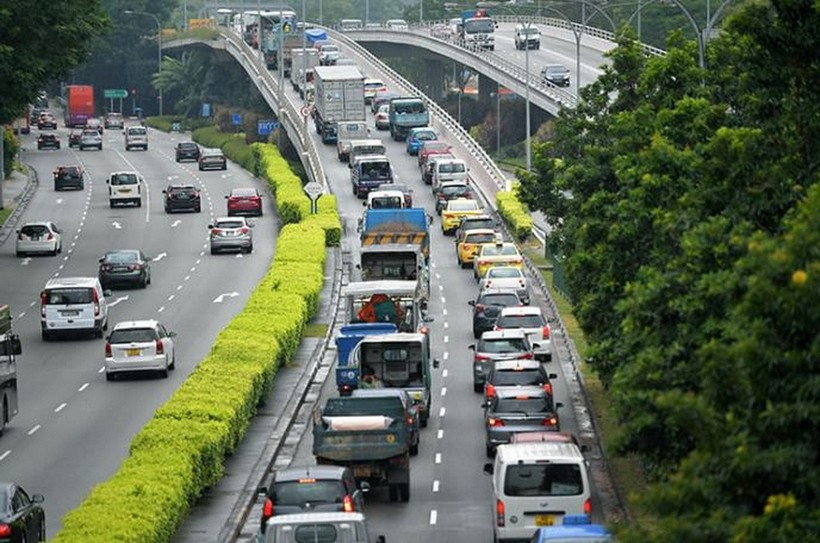
Hanoi (VNA) – Singapore will stop registering new petrol-powered vehicles from 2030, advancing its plan to phase out all internal combustion engine (ICE) vehicles by 2040 and accelerate the adoption of cleaner energy transport.
The number of EVs in Singapore has grown from 26,200 at the end of last year to 39,800 so far this year – a 52% jump.
The transition has raised concerns among car enthusiasts about losing the cultural and emotional value of petrol engines, as well as questions over charging infrastructure and the continued use of petrol vehicles for emergency services.
Experts also warn that the shift will disrupt the petrol station industry, with many stations potentially becoming unprofitable or needing major adaptation, and highlight that slow charging—done at home, workplaces, or malls—may prove more practical and sustainable than relying on costly fast-charging stations.
Authorities are pushing smart charging solutions to manage electricity demand, including optimised scheduling and load management.
The Land Transport Authority (LTA) reports that Singapore is halfway to its target of 60,000 charging points by 2030, with 24,000 already installed, and studies are ongoing to assess the impact on the country’s energy infrastructure.
Even with infrastructure growth, experts stress that the biggest challenge will be shifting user habits, as EV owners need to adapt to charging patterns that differ from traditional petrol refuelling, including charging during daily activities or overnight./.