Singapore (VNA) - Singapore has unveiled its new initiative aiming to promote the protection and restoration of coastal and marine ecosystems in Southeast Asia to generate carbon credits.
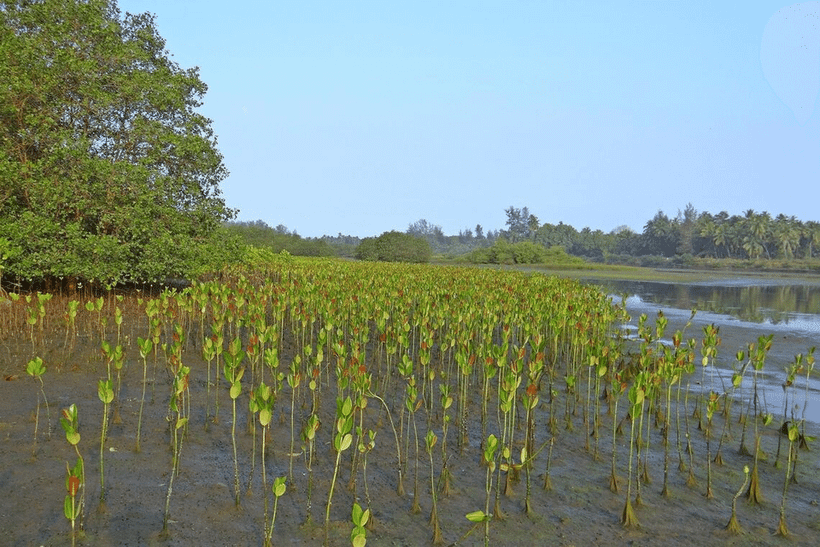
Blue Catalyst aims to help early-stage companies with technological solutions that can, among other things, accurately map out blue carbon habitats, monitor biodiversity, or improve sapling mortality, and scale up their business models. The initiative is backed by the Economic Development Board (EDB).
Such solutions are geared towards tackling technical and operational barriers so more of such marine ecosystems can be conserved as carbon projects.
Under the 12-month programme, companies will be able to test their technology in actual conservation sites in South-east Asia managed by the World Wide Fund for Nature (WWF). WWF will also contribute its expertise on blue carbon science and carbon markets via its global network of specialists. Hatch Blue will prepare the start-ups for attracting investments and provide mentorship to help them scale up their businesses.
Blue carbon refers to carbon stored in marine and coastal ecosystems such as mangroves, seagrasses and coastal wetlands. More than 30% of the world’s mangroves and seagrass are located in South-east Asia. These ecosystems can also store more carbon per hectare than tropical forests, support a variety of wildlife and protect coastal communities from storms.
The ability of these ecosystems to generate revenue through the sale of carbon credits provides developers with the financial incentive to keep them standing, instead of cutting them down for other purposes, such as aquaculture.
Singapore has identified carbon markets as a pathway for it to achieve net-zero emissions by 2050. The country had earlier estimated that it would use high-quality carbon credits to offset about 2.51 million tonnes of emissions a year over this decade.
The carbon markets offer a platform for countries to cooperate with one another to achieve their climate goals. Buyer countries can purchase credits to offset their emissions, while countries hosting the climate projects benefit from the carbon revenue that would not have flowed in without the carbon market./.