Hanoi (VNA) – Despite robust growth in merger and acquisition (M&A) activities, experts have warned that M&A in health care faces significant legal and procedural challenges.
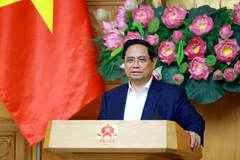
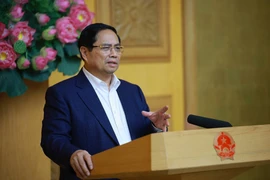
Speaking at the international conference on mergers & acquisitions in healthcare (HIMA 2025), held in Hanoi on November 21, Nguyen Toan Thang, Deputy Chief of the Office of the Ministry of Health, emphasised that in the current context of integration and development, Resolution 72 of the Politburo on protecting, caring for and improving public health plays a crucial role.
The development of a modern, integrated public–private healthcare system capable of meeting rising needs requires concrete solutions, including strengthened international cooperation.
Vietnam’s healthcare sector aims by 2030 to expand community-based healthcare programmes, particularly clinical services to ensure health security and respond promptly to medical emergencies. The expansion will also gradually control disease risk factors, enhance environmental health management, and ensure equitable access to healthcare, in line with increasing public demand.
Against this backdrop, M&A has emerged as a strategic instrument to accelerate the development of the healthcare ecosystem, making it more resilient and better aligned with international standards. However, the sector requires the highest levels of transparency, professionalism and legal risk management. Only when legal procedures, auditing, valuation and operational standards are fully standardised, will enterprises be ready to pursue investment partnerships and IPOs.
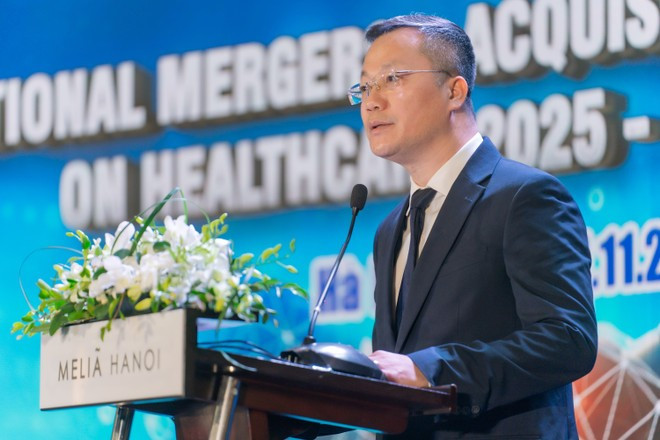
Thang noted that Vietnam’s healthcare sector is standing at a pivotal juncture with new opportunities for integration and growth. Key priorities include diversifying hospital models to improve delivery, and strengthen state management in pharmaceuticals, food safety and medical devices. It will also enhance domestic capacity in medical equipment production and trading. He stressed that the conference provides a valuable platform to connect domestic and international investors and to help attract greater flows of foreign capital into Vietnam.
Associate Professor Dr Dang Duc Nhu, Senior Advisor at Medical Law and a former official at the Ministry of Health’s Department of Medical Examination and Treatment Management, analysed global trends. He noted that healthcare M&A surged during 2020–2021, with transaction values reaching 330–340 billion USD in the first half of 2021 due to numerous multi-billion-dollar deals.
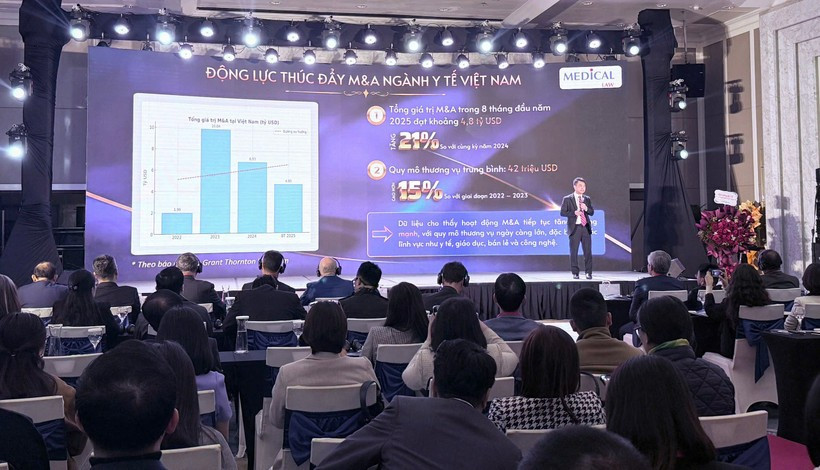
While pharmaceutical and life sciences transactions fell by 33%, healthcare services increased by 50%, reflecting a shift towards larger-scale deals. Vietnam has been emerging as a dynamic market, with total M&A value in the first eight months of 2025 reaching 4.8 billion USD, up 21% year-on-year. The trend is driven by rapid population ageing, an expanding middle class and increasingly open investment policies.
Data show that M&A activities across Vietnam continue to gain momentum, with larger deal sizes particularly in healthcare, education, retail and technology. The healthcare market is on a strong growth trajectory, rising from 18.5 billion USD in 2022 to an expected 25 billion USD in 2025.
Many prominent transactions have strengthened Vietnam’s position on the regional healthcare M&A map. These include the Thomson Medical Group’s 381.4 million USD acquisition of FV Hospital, China’s Livzon acquiring 65% of Imexpharm, and the Republic of Korea’s Dongwha Pharm investing 30 million USD in the Trung Son pharmacy chain.
Vietnam is widely regarded as a promising destination for healthcare M&A, driven by a rapidly expanding private system, rising demand for high-quality medical services, and more open policies encouraging foreign investment.
Furthermore, globalisation is accelerating the sector’s transformation towards personalised, digital and data-driven healthcare. Enhanced international cooperation not only provides vital resources and expertise, but also helps Vietnam rapidly absorb advanced technologies, strengthen professional capacity and align with global standards./.