Hanoi (VNA) – Vietnam’s health sector, one of the country’s oldest and most resilient institutions, has evolved over eight decades from a wartime support force into a nationwide system central to public welfare and sustainable development.
Established in 1945 as one of the 15 ministries in the Provisional Government of the Democratic Republic of Vietnam (now the Socialist Republic of Vietnam) following the success of the August Revolution, the Ministry of Health was tasked with protecting public health during some of the most challenging years in the nation’s history.
Throughout the resistance wars against French and American forces, its guiding principle was “all for the frontline, all for victory”. Despite shortages, medical staff treated wounded soldiers, fought epidemics and introduced field innovations such as mobile surgical units, anti-malarial drugs and vaccines. Makeshift hospitals in forests, mountains and battlefields saved thousands of lives, while doctors often took up arms alongside soldiers.
Building a nationwide system
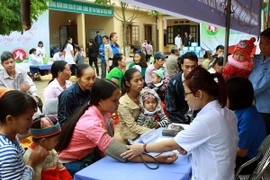
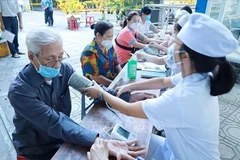
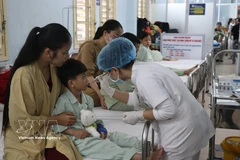
After national reunification in 1975, the health sector identified its central mission as protecting and improving public health while enhancing the quality of medical services. A multi-level healthcare system was established, extending from central hospitals to grassroots clinics. Expanded immunisation programmes and prevention campaigns reached all communes, laying the foundation for strong primary care.
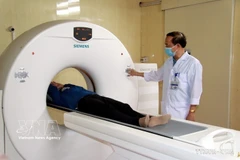
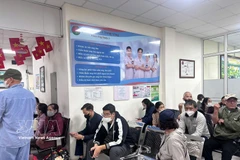
Vietnam has since built a modern system able to respond swiftly to public health emergencies. From just a handful of hospitals in the 1950s, the number rose to 883 by 2004 and 1,718 by October 2024, including 384 private facilities. More than 170 million outpatient visits and 17 million inpatient treatments are now delivered annually. Hospital bed numbers per 10,000 people consistently surpass National Assembly targets.
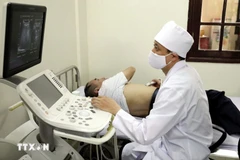
Telemedicine connects over 1,500 clinics, including those in remote and island areas, to central hospitals. Traditional medicine services have also been strengthened.
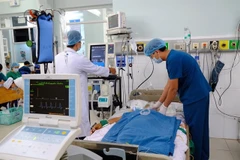
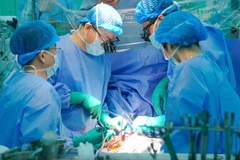
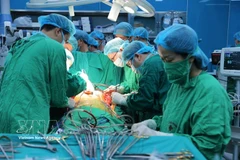
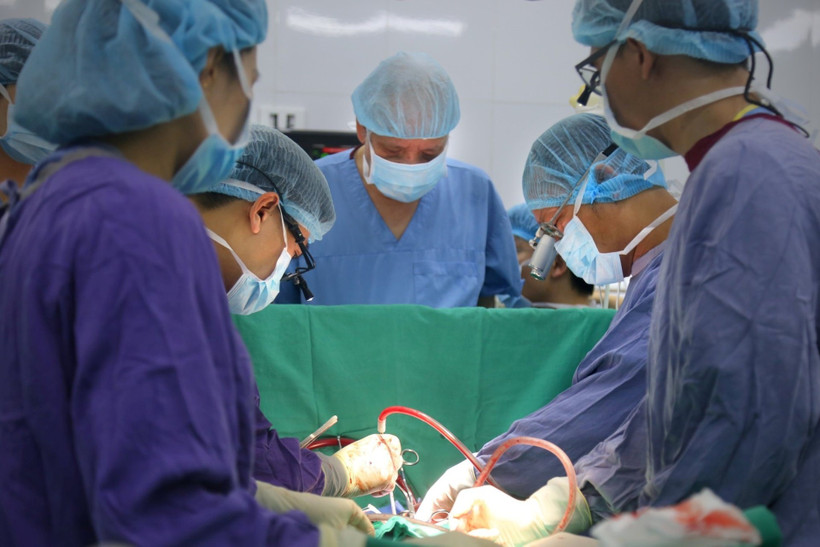
Doctors perform an organ transplant. (Photo: VietnamPlus)
From modest beginnings, Vietnamese doctors now perform advanced procedures such as organ transplants, open-heart surgery, IVF, stem cell therapy and robotic operations. They also serve as international trainers while transferring expertise to provincial hospitals.
Advances in public health and financing
Vietnam has made significant attainments in the health sector. It was the first country to contain SARS in 2003, has averted nearly one million HIV infections, cut AIDS-related deaths by 200,000 and leads Asia–Pacific in pre-exposure prophylaxis (PrEP) uptake, with over 123,000 participants by 2023. During COVID-19, nationwide mobilisation and coordinated measures helped contain the crisis.
According to the Ministry of Health, Vietnam’s achievements have had a profound impact on social security. Life expectancy has risen from 40 years in 1960 to 73.7 in 2020. Maternal mortality has fallen by three-quarters since 1990 and child mortality by two-thirds. Average height increased by 6.6 cm between 1993 and 2020.
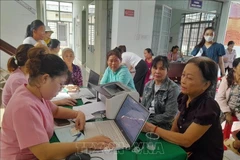
Healthcare financing has also expanded. Health insurance coverage rose from 58% in 2009 to 93.35% in 2023, equal to more than 93 million people. Insurance-covered visits grew from 88.6 million in 2009 to 174 million in 2023. More than 12,800 facilities, including 1,700 public hospitals and 10,000 commune health stations, now contract with the national fund.
General Secretary To Lam has stressed that protecting public health is both a goal and a driver of sustainable development. He has instructed the government to map out a roadmap towards universal free hospital care by 2035, starting with vulnerable groups such as the poor, children, veterans and the elderly. From 2026, annual health check-ups will be provided for all citizens, shifting the focus from treatment to prevention.
Minister of Health Dao Hong Lan affirmed that the consistent policy of the Party and State is to prioritise health protection and improvement, ensuring no one is left behind. She said the sector will pursue further reforms, focusing on training, research, management and service quality, while strengthening grassroots facilities, expanding access in remote areas and addressing institutional bottlenecks to better safeguard public health./.