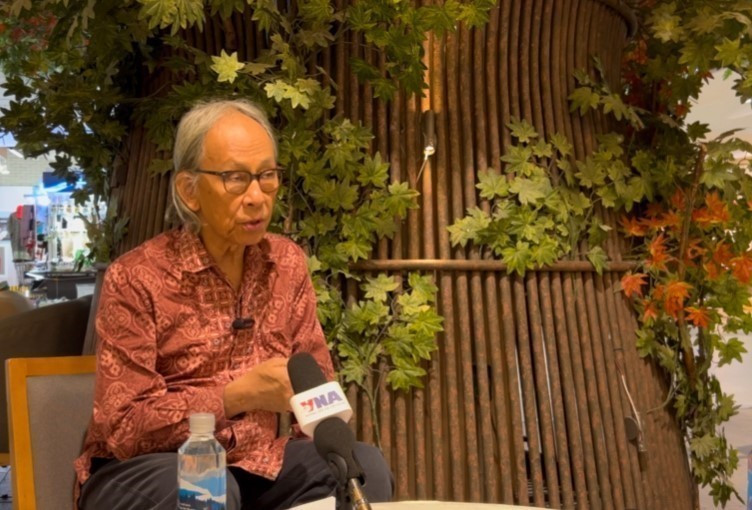
Bangkok (VNA) – Vietnam’s foreign policy has been a key driver of the country’s strong rise, Thai scholar Kavi Chongkittavorn said, voicing confidence that Vietnam is on course to meet two major milestones marking the centenary of the Party and the nation.
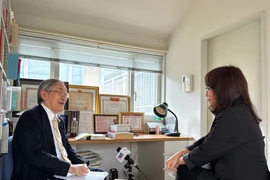
In an interview with the Vietnam News Agency (VNA) in Bangkok ahead of the 14th National Congress of the Communist Party of Vietnam (CPV), Kavi noted that amid intensifying global geopolitical polarisation, the past five years have represented a historic turning point in Vietnam’s diplomacy, as the country has effectively expanded and deepened ties with all partners, regardless of their status.
He highlighted that under the current leadership of Party General Secretary To Lam, Vietnam has recorded significant progress, maintaining Comprehensive Strategic Partnerships with 14 countries, including all permanent members of the United Nations Security Council and many ASEAN states, Thailand among them. This, he said, reflects Vietnam’s growing weight in the regional architecture and the wider geopolitical landscape.
On the economic front, Kavi observed that while many economies are facing headwinds, Vietnam has managed to maintain macroeconomic stability and positive growth. He described the country’s open economic policy as the most notable achievement of the past five years, pointing to the signing of multiple high-level free trade agreements and Vietnam’s effective participation in regional value and supply chains, which have helped spur growth, promote innovation and enhance connectivity. He predicted that within the next five to ten years, Vietnam will boast one of Southeast Asia’s most advanced connectivity systems.
Looking ahead to the 50th anniversary of Vietnam–Thailand diplomatic relations in 2026, Kavi said the bilateral relationship is crucial to peace and stability in mainland Southeast Asia, particularly in the Mekong subregion. The anniversary, he added, offers an opportunity to further strengthen comprehensive cooperation across economic, social and cultural spheres, as well as people-to-people and parliamentary exchanges.
He cited growing language exchanges as a positive sign of closer ties, noting that more Vietnamese students are learning Thai, while educational institutions in both countries are increasingly promoting each other’s languages. In his view, Vietnam–Thailand relations are poised to grow even stronger in the year ahead.
Commending Vietnam’s achievements in the 2021–2025 period, the Thai scholar said he expects the upcoming 14th Party Congress to adopt breakthrough policies to realise two key objectives: becoming a high-income developing country by 2030, marking the Party’s centenary, and attaining developed-country status by 2045, the nation’s centenary. He attributed his confidence to the discipline, diligence and strong work ethic of both the Vietnamese government and its people.
To reach these goals, Kavi said Vietnam will need to press ahead with broad-based reforms across multiple sectors, a process that will take time. He underscored the need for good governance and greater transparency to attract foreign investment, while also fostering public understanding and trust in investment and cooperation activities. He expressed firm belief that Vietnam is on the right path and will achieve its goals within the next two decades./.