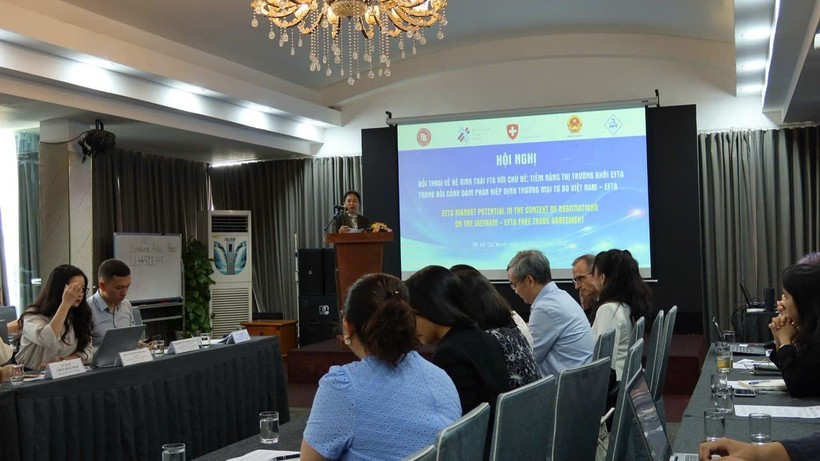
HCM City (VNA) – The Southern Public–Private Dialogue took place in Ho Chi Minh City on July 29, marking an important step in preparing Vietnamese businesses to tap into the European Free Trade Association (EFTA) market which includes Switzerland, Norway, Iceland, and Liechtenstein.
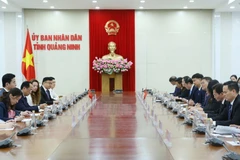
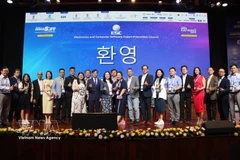
The event comes as the Free Trade Agreement (FTA) between Vietnam and the EFTA is close to being signed. It was part of the “Promoting Vietnam–EFTA Trade Relations” sub-project in the Swiss-funded SWISSTRADE Project, jointly organised by the Foreign Trade University (FTU) and Ho Chi Minh City Investment and Trade Promotion Centre (ITPC). More than 200 delegates attended, including representatives from the Ministry of Industry and Trade (MoIT), EFTA diplomatic missions, trade associations, and major exporters in the south.
According to ITPC Deputy Director Ho Thi Quyen, this is a golden opportunity for businesses to turn sustainable export strategies into reality. “EFTA is a demanding but highly promising market, matching Ho Chi Minh City’s orientation toward green, circular, and high-value growth,” she said.
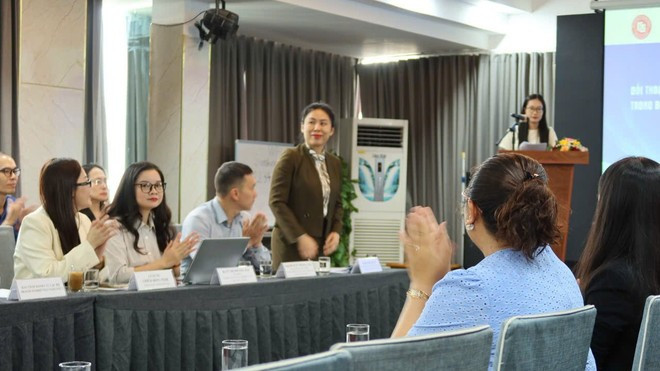
Drawing from experience in carrying out 195 trade promotion activities in 2024 and 86 investments and trade projects by July 2025, ITPC proposed a seven-pillar roadmap to support exporters. They are expanding international cooperation and deepening ties with Vietnamese trade offices in EFTA markets.
The group is also diversifying supply chains, and focusing on the EU and extending to EFTA.
Another important move is promoting green exports, prioritising deeply processed and high-tech goods that meet low-carbon standards, and driving “dual transformation” – digital and green – to boost competitiveness. They will provide market information on technical barriers (TBT), labour standards, and traceability, and offering in-depth training on rules of origin and export procedures. Final work includes building an inter-sectoral ecosystem in coordination with the Ministry of Industry and Trade, FTU, and associations to deliver comprehensive support.
“Businesses must proactively prepare for strict environmental, food safety, and social responsibility requirements – these are the entry tickets to EFTA,” Quyen stressed.
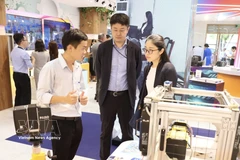
The conference was structured into two highly interactive sessions. The first updated FTA negotiations, analysed opportunities in key sectors such as sustainable textiles, seafood, processed agricultural products, and pharmaceuticals, and introduced free one-on-one consulting starting in the third quarter.
The second session gave businesses the floor to raise concerns and share difficulties in exporting to EFTA, particularly the challenge of meeting Norway’s strict standards.
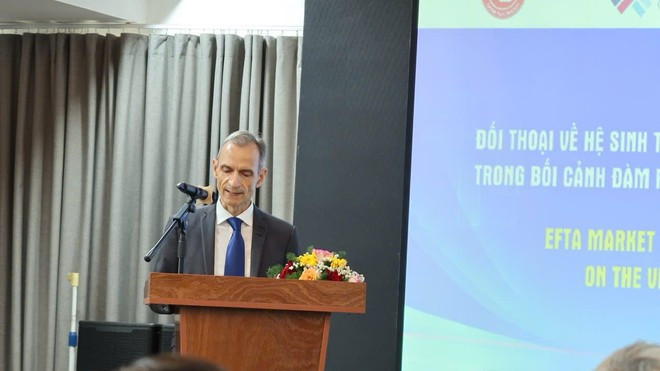
Representatives from the MoIT and ITPC offered on-the-spot solutions and worked on refining criteria to select companies for intensive support. According to Associate Professor Dr. Dao Ngoc Tien, Vice Rector of FTU, priority will be given to firms with promising products that are ready for digital and green transformation. The goal is to build a synchronised export ecosystem before the FTA takes effect.
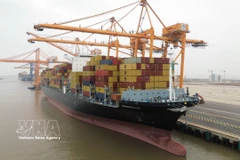
With Ho Chi Minh City’s exports to the EU reaching 7.8 billion USD in 2024, expansion into the EFTA market, where average GDP per capita is 15 times that of Vietnam, is expected to deliver a breakthrough.
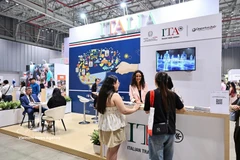
The dialogue was not only about solving bottlenecks but also activating key drivers including connecting Vietnamese businesses with EFTA partners through specialised trade fairs in Switzerland and Norway. They will also promote technology transfer to increase the value of agricultural and textile products, and position Ho Chi Minh City as Southeast Asia’s green export hub./.