Bangkok (VNA) – Thailand will ban imports of animal-feed corn produced from agricultural burning, a move that could help reduce worsening cross-border pollution while paving the way for purchases from the US.
Speaking to reporters on September 22, Duangarthit Nidhi-u-tai, Deputy Director-General of the Department of Foreign Trade under the Ministry of Commerce, said feed mills must present proof that imported corn comes from burn-free sources starting January 1, 2026. This marks the first time Thailand has applied an environmental measure to agricultural imports, though the regulation still requires cabinet approval in the coming weeks.
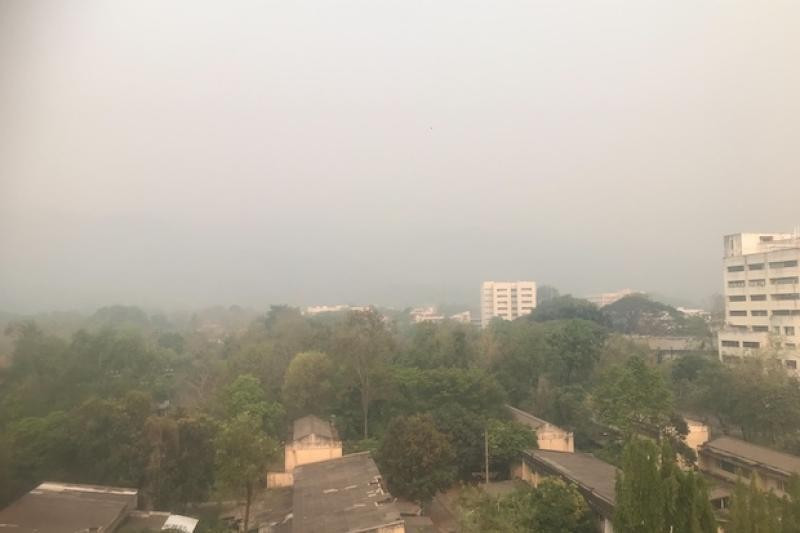
The move comes as Bangkok and other parts of Thailand frequently suffer from heavy smog and poor air quality. While the rule is billed as a sustainable measure to fight air pollution, it is also viewed as a step toward opening imports from the US, the world’s largest corn producer, under commitments to expand market access in exchange for a tariff deal.
During a transitional period beginning January 1, 2026, such imports may be certified by importers, exporting countries’ agencies or international organisations. This arrangement will end once the Clean Air Act takes effect, after which stricter rules will be applied. Importers could face one-year bans if they fail to comply.
Thailand usually imports corn from neighbouring Myanmar, Laos and Cambodia, where slash-and-burn farming is common. Fires there produce thick smoke, with winds often carrying haze into northern and northeastern Thailand, worsening the country’s seasonal pollution crisis. In 2024, the three neighbours supplied Thailand with 2 million tonnes of corn. The country needs more than 8 million tonnes annually for feed production, but domestic output reaches only about 5 million tonnes.
Currently, the US cannot export corn to Thailand as the two sides’ agricultural authorities have yet to sign a separate agreement. However, during negotiations that resulted in Washington imposing a 19% tariff, Thailand offered to remove tariffs on 90% of US goods, including corn, soybean meal and other farm products.
Besides the US, other countries that could benefit from the new regulation include Mexico, Argentina, India and Pakistan - all WTO members with agricultural agreements with Thailand, Duangarthit added./.