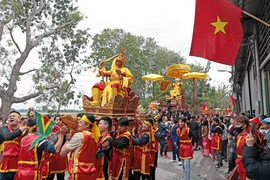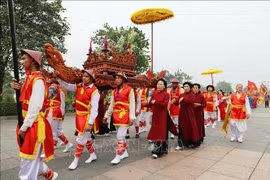
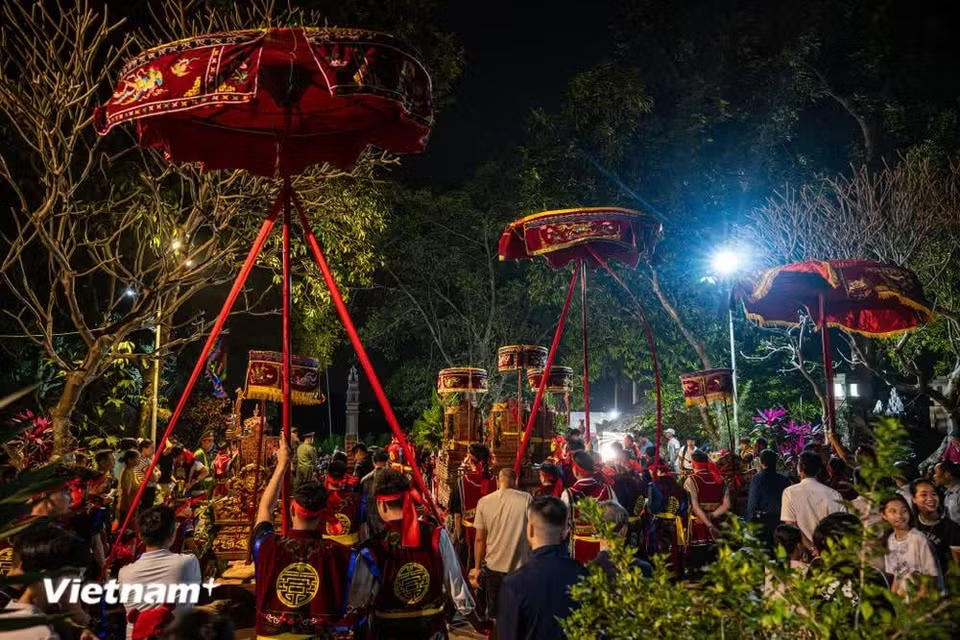
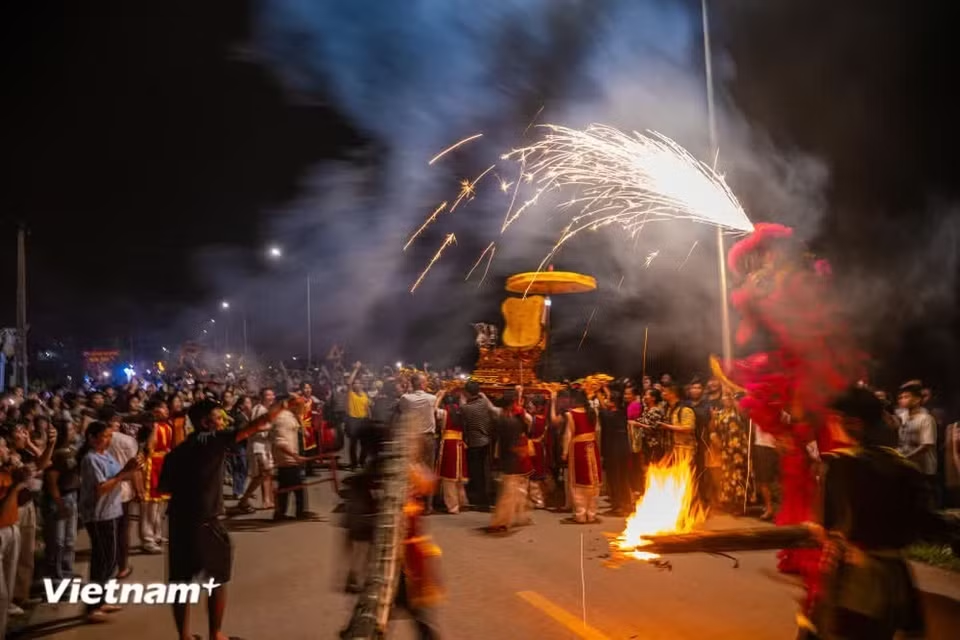
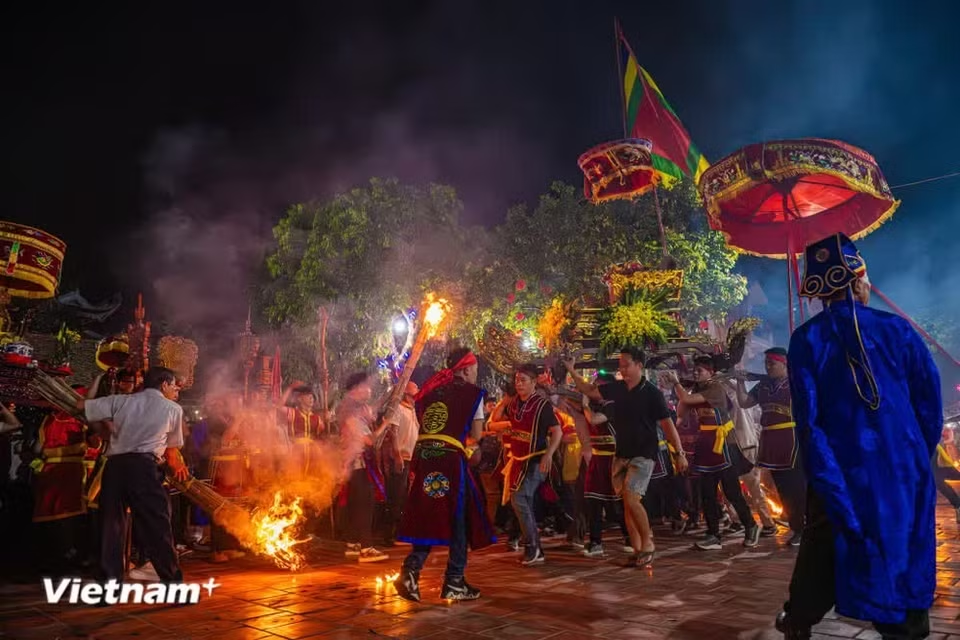
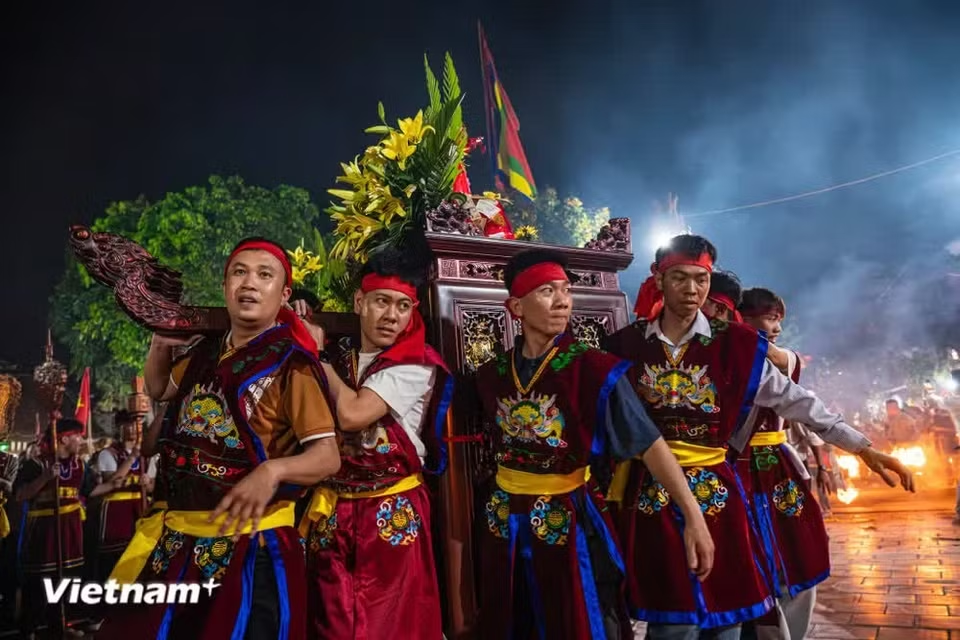
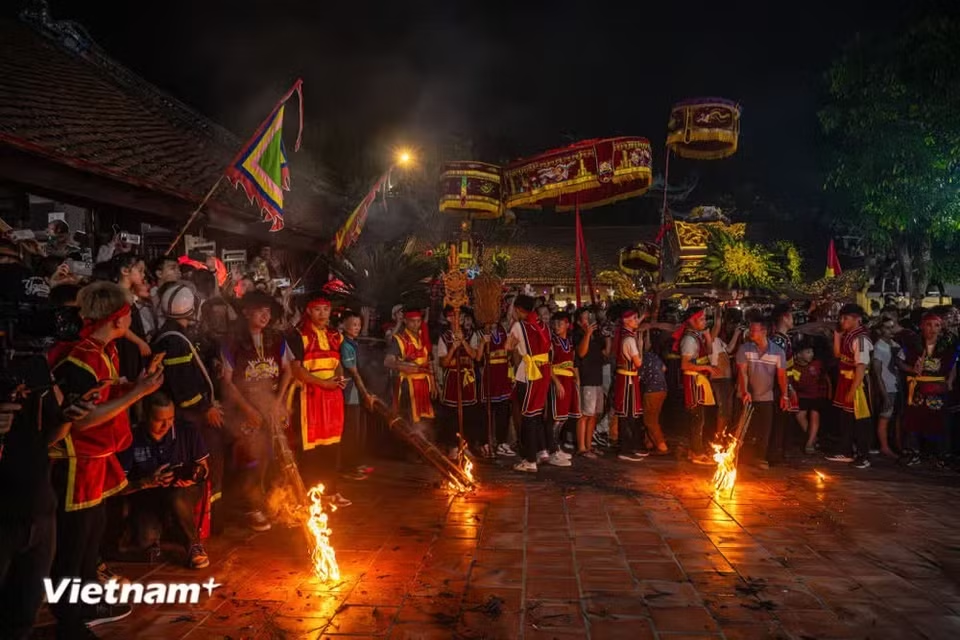
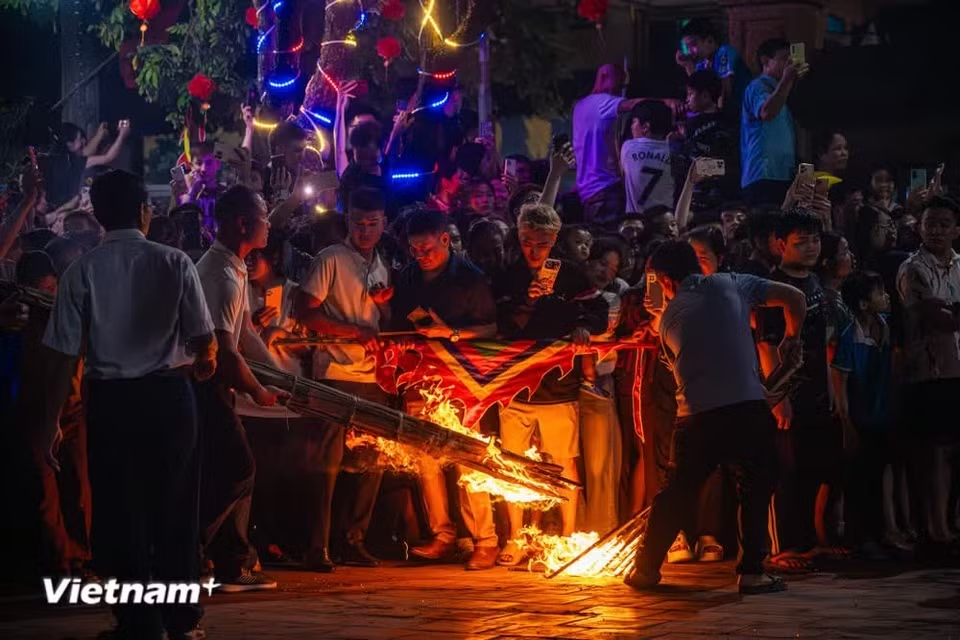

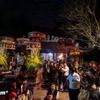
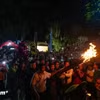
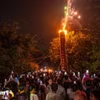
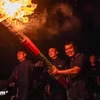

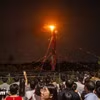

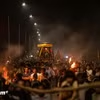
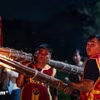
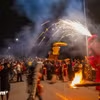
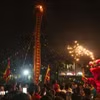
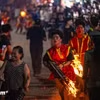
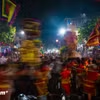

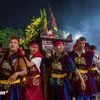
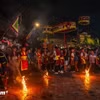
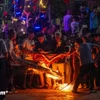
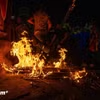
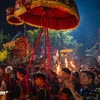
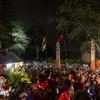
As part of the traditional festival at Tuong Phieu communal house in Phuc Tho commune of Hanoi, the procession returning Saint Tan Vien’s palanquin to the communal house took place on March 2 evening (the 14th day of the first lunar month in the Year of the Horse), drawing thousands of local residents. (Photo: VietnamPlus)
According to village elders, the custom of the nighttime procession originated from a legend about Saint Tan Vien. During one of his journeys to the Ngo Son area, the Saint became engrossed in teaching villagers fishing techniques and flood control methods, returning to the mountains late at night with his entourage. Reluctant to bid farewell, villagers lit torches made from dry wood to illuminate the way and gaze upon the Saint a little longer. (Photo: VietnamPlus)
To commemorate the villagers’ grand and emotional farewell to the Saint, Tuong Phieu villagers hold a procession for the Three Saint Tan Vien deities and the village tutelary god in the Years of the Rat, Horse, Cat and Rooster. (Photo: VietnamPlus)
Tuong Phieu communal house hosts four annual ceremonies, with the main festival commemorating the birth anniversary of Saint Tan Vien Son being the largest. Taking place from the 14th to the 16th days of the first lunar month, it is considered one of the most distinctive festivals in the ancient Xu Doai region, attracting large number of visitors from across the country. (Photo: VietnamPus)
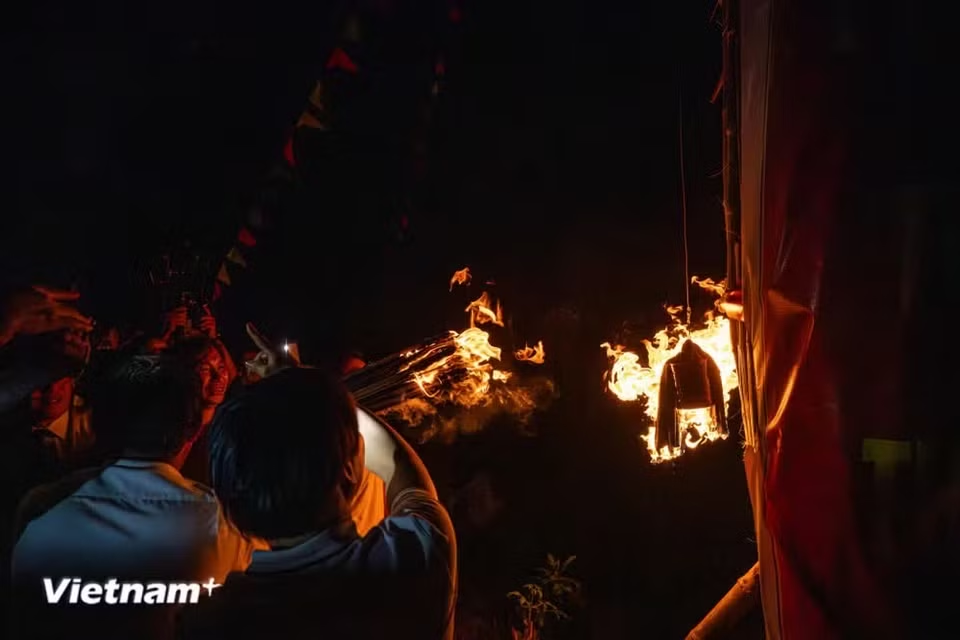
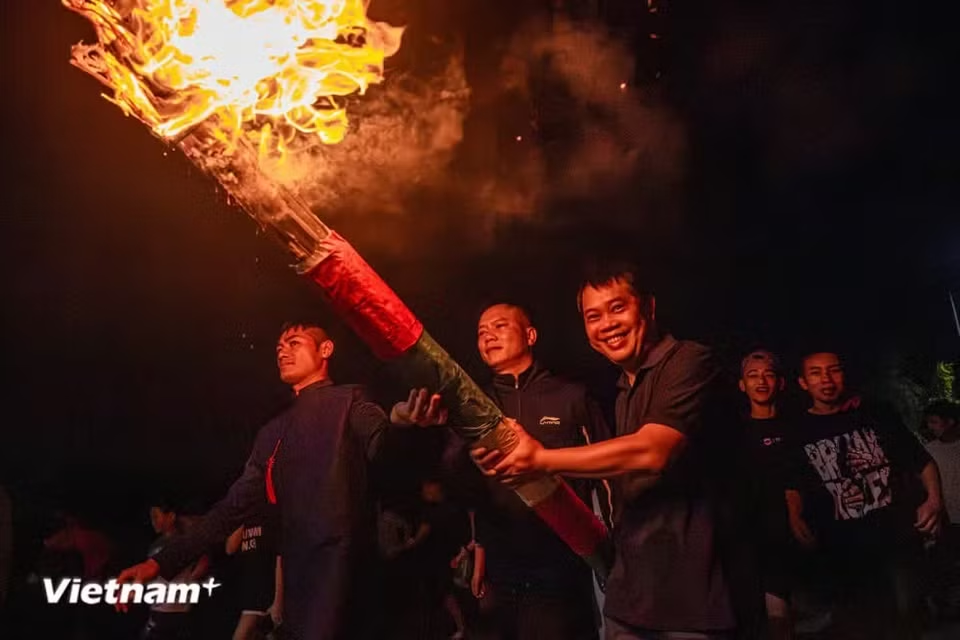
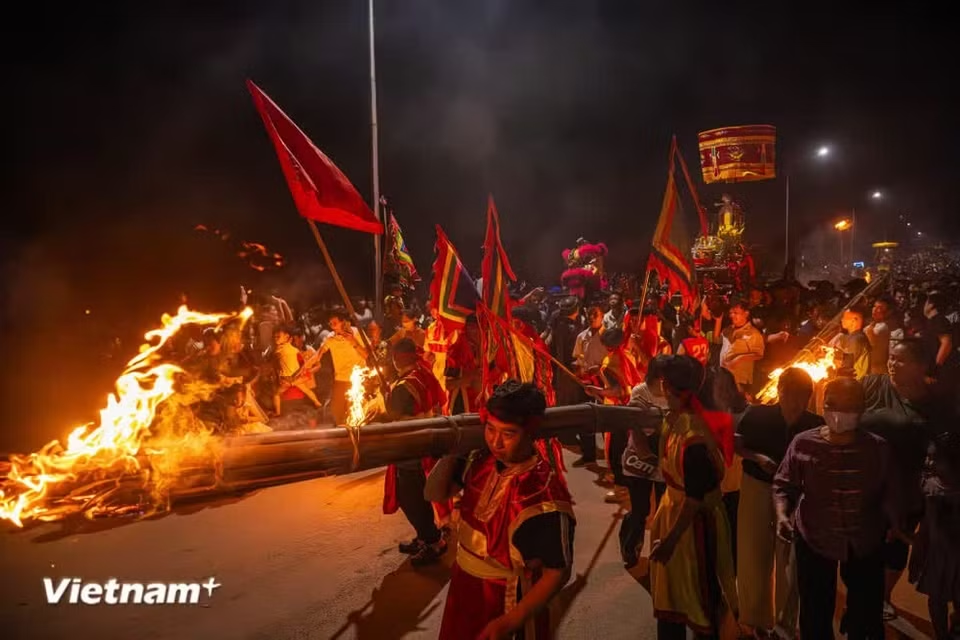
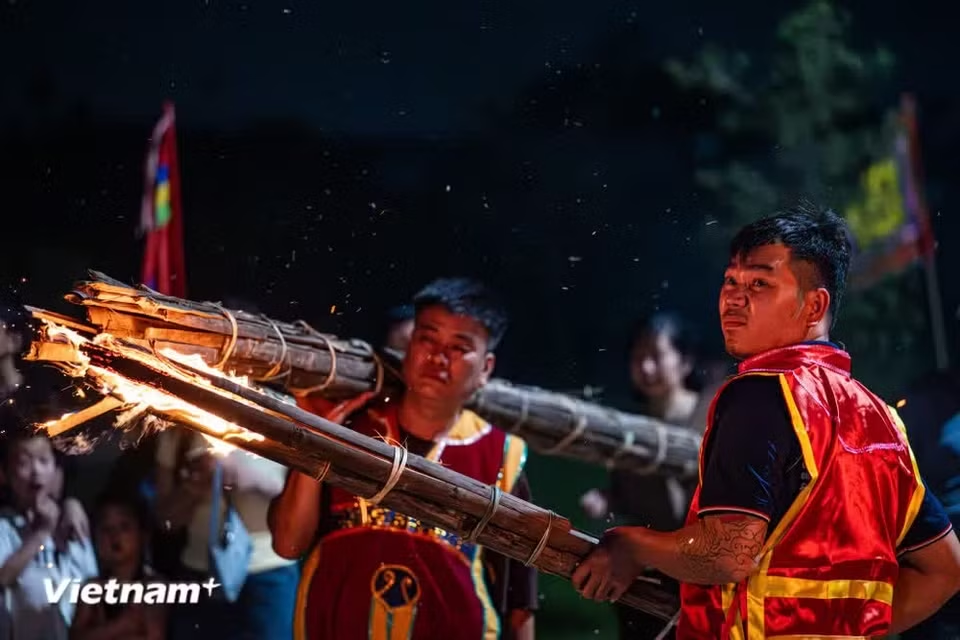
The festival preserves many traditional activities, the most distinctive being the nighttime procession. Before the event, villagers prepare dry wood and bamboo panels to make dragon torches and giant “dinh lieu” torches used to light the procession route. (Photo: VietnamPlus)
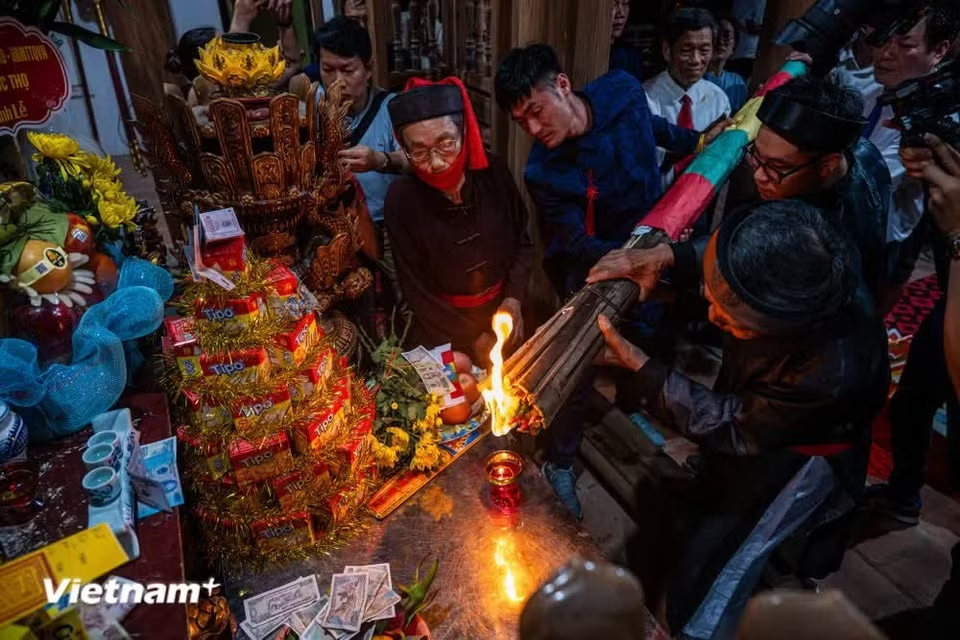
Following ancient customs, on the morning of the 14th day of the first lunar month, villagers joyfully escort the Saint from Tuong Phieu communal house to Ngo Son Temple (Ngo Temple) amid the sound of drums. After the fire-taking and fire-lighting rituals, four giant torches are ignited, illuminating the night sky over Tuong Phieu. (Photo: VietnamPlus)
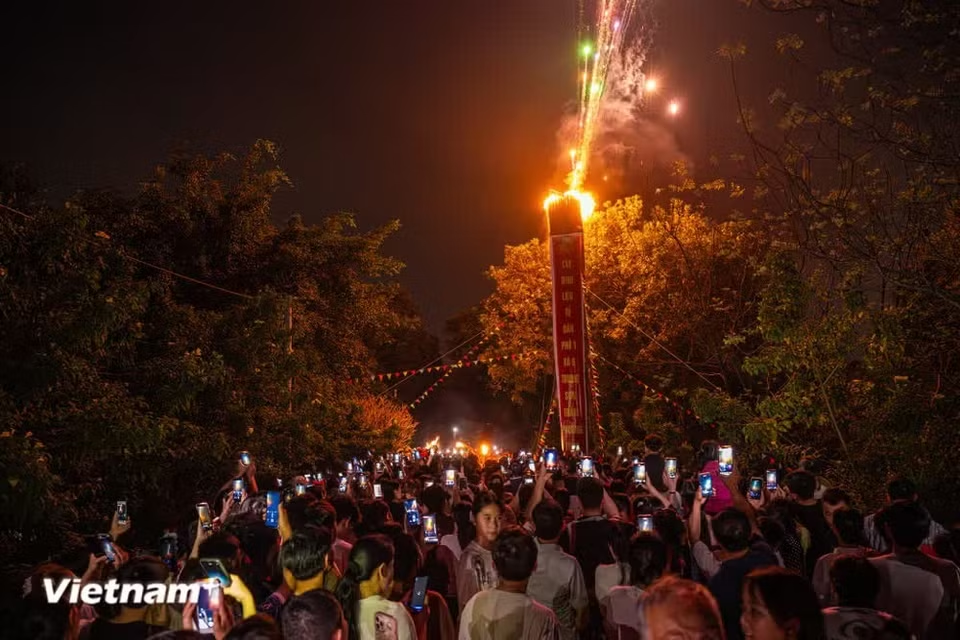
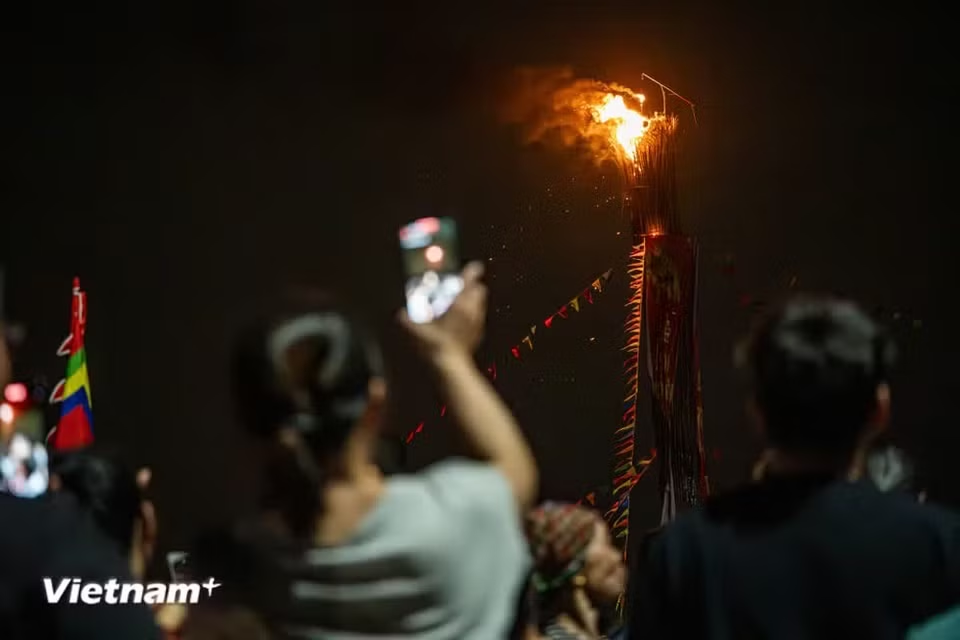
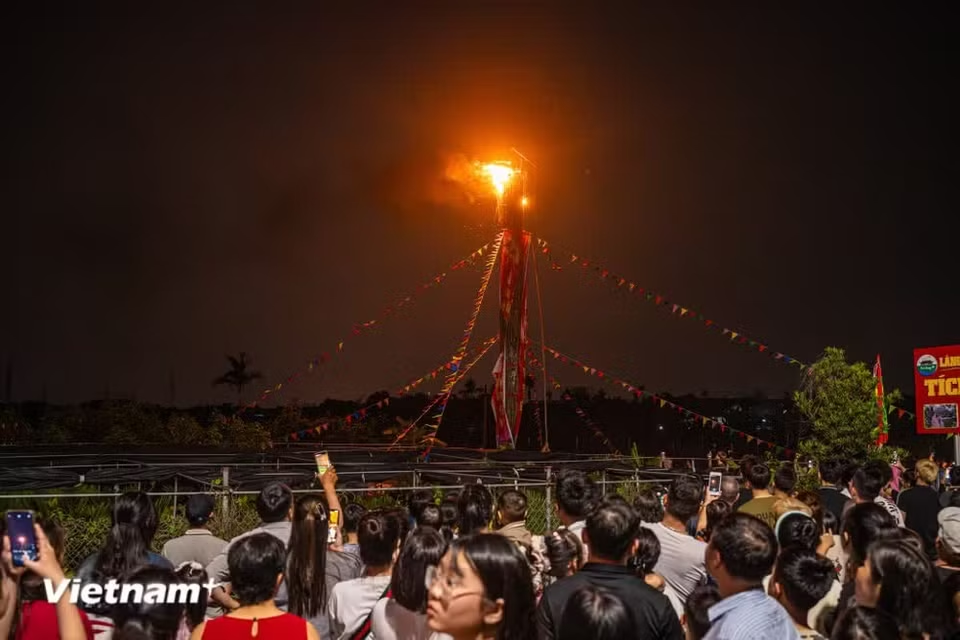
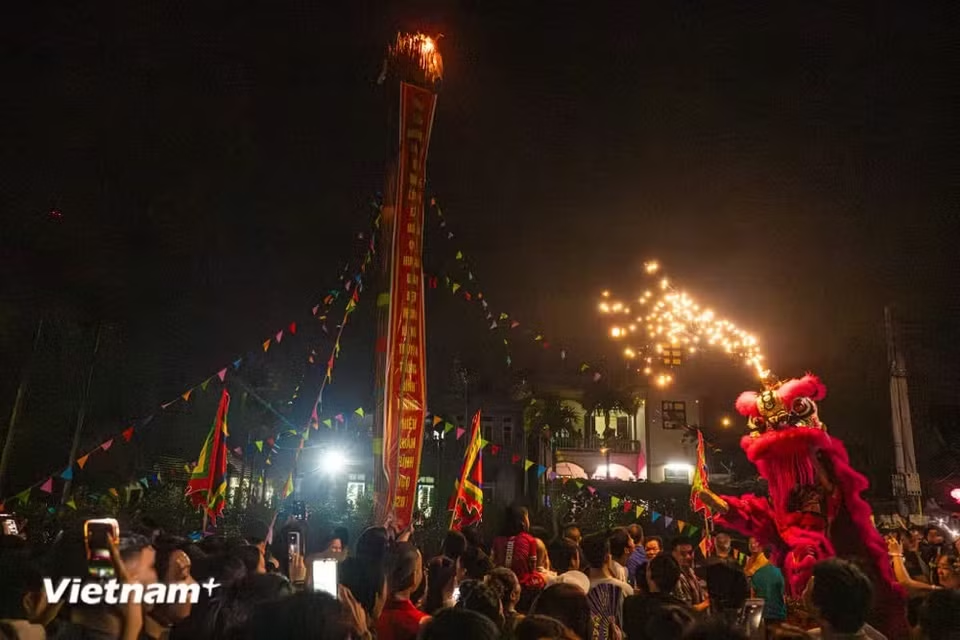
A giant torch, also known as a “dinh lieu,” is lit. Four giant torches symbolising the village’s four ancient gates are burned during the festival. The torches are shaped like upside-down fish traps, with large bamboo trunks soaked in mud and dried inside, and bamboo strips covering the outside. Each torch stands between 9 - 13 metres tall, with a top diameter of around 90 centimetres. (Photo: VietnamPlus)
Each torch burns for around three hours, just enough time to illuminate the procession returning the Saint’s palanquin to the main communal house. (Photo: VietnamPlus)
In the darkness, villagers light four giant bamboo torches, as tall as a three- or four-story building, to guide the Saint’s procession from the temple back to the communal house. (Photo: VietnamPlus)
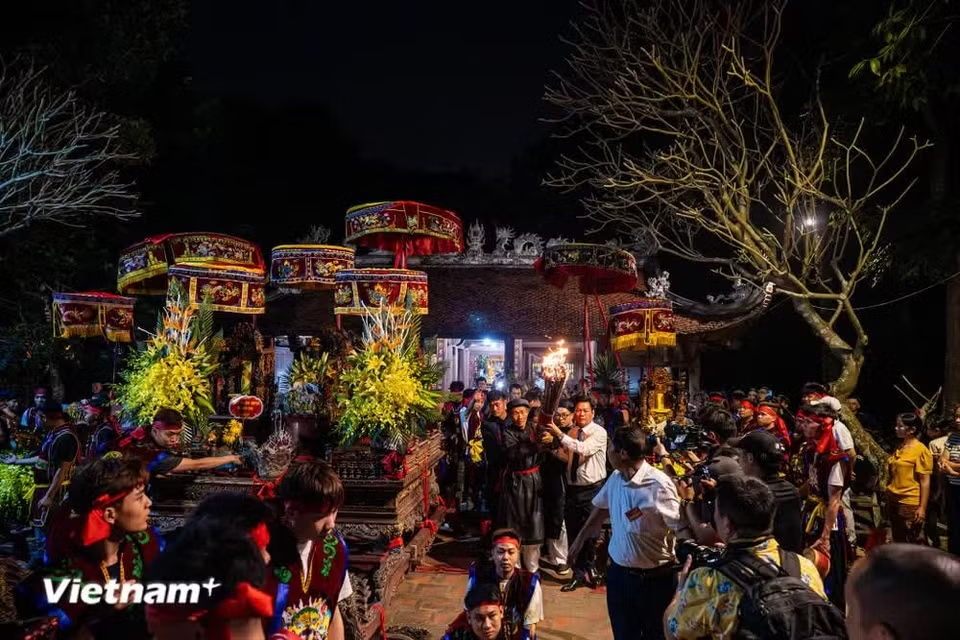
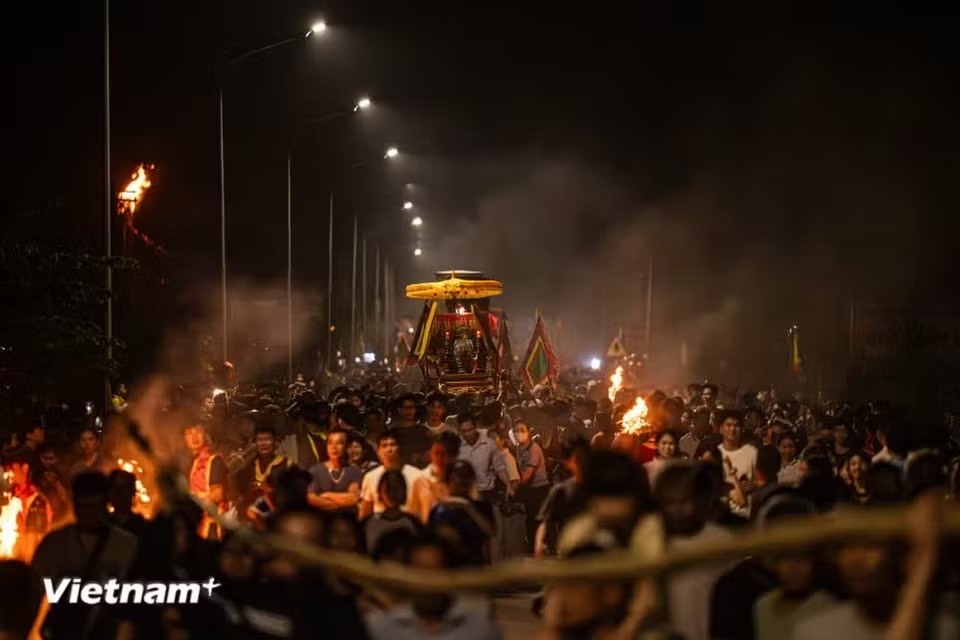
At around 20:00 on the 14th day of the first lunar month, villagers begin lighting the torches while carrying the Saint’s palanquin from Ngo Temple back to the communal house. (Photo: VietnamPlus)
Besides the four giant torches, the festival also features many smaller torches known as dragon torches. Village elders said the Saint worship ceremony at Ngo Temple has been held since 1432 and takes place every three years in the Years of the Rat, Horse, Cat and Rooster. (Photo: VietnamPlus)
Wherever the Saint goes, the torches burn brightly as if lighting his path. Though the night is pitch-black, the four giant torches illuminate the entire area. (Photo: VietnamPlus)
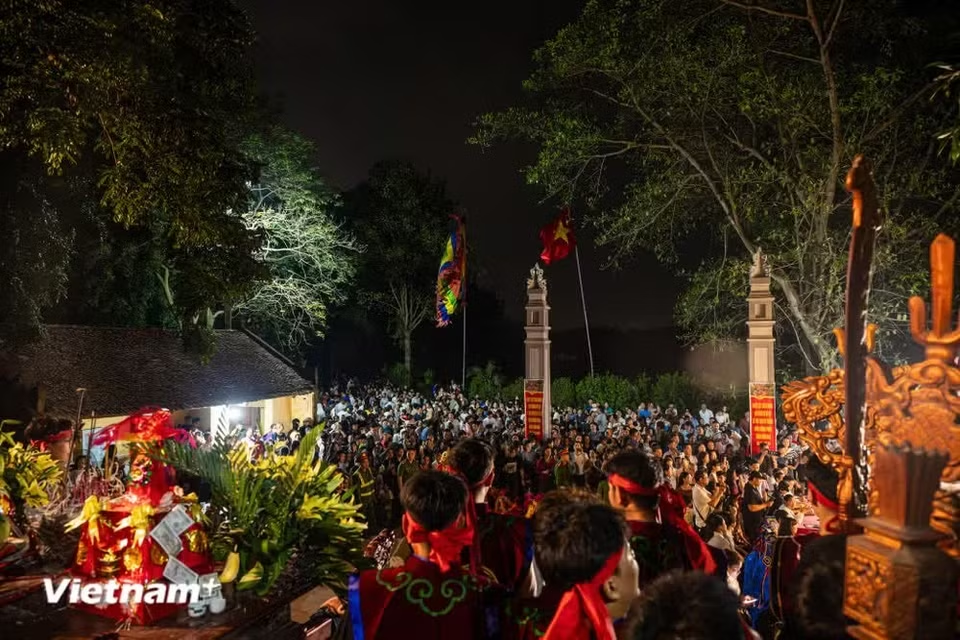
Despite hundreds of years of history, the Tuong Phieu village festival has preserved its unique character. Although the distance from the communal house to Ngo Temple is only slightly more than one kilometer, the road is always packed with people joining the nighttime procession. (Photo: VietnamPlus)
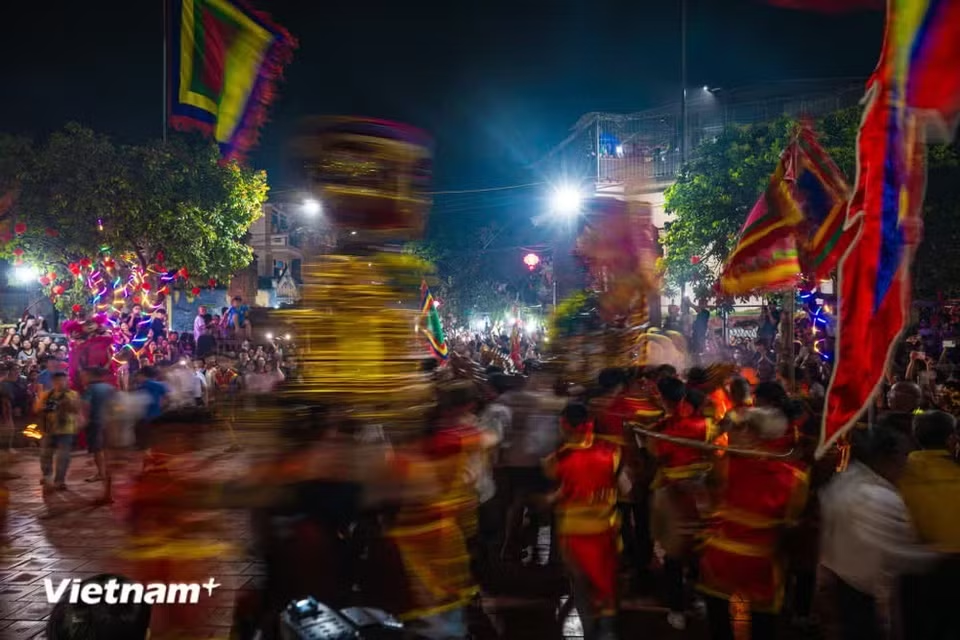
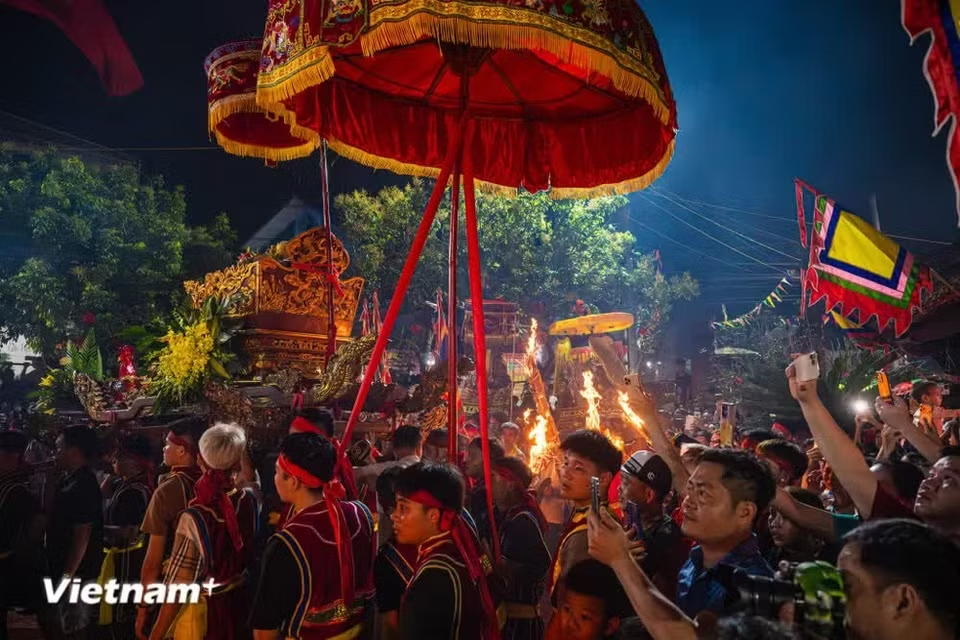
The sounds of gongs and drums echoed joyfully, flags filled the sky, and festive excitement spread through the village lane. (Photo: VietnamPlus)
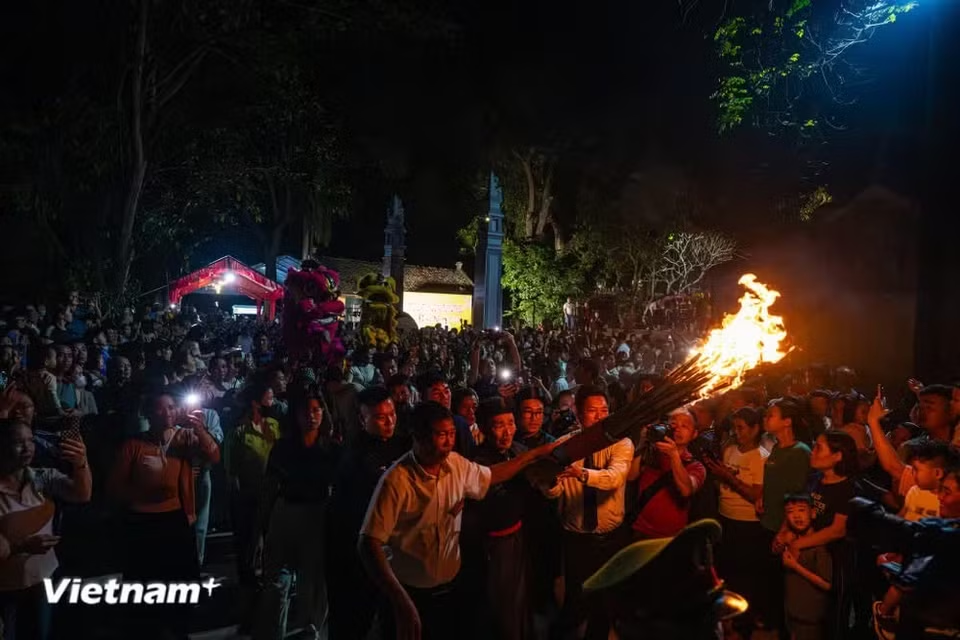
A giant torch erected at the village entrance drew excitement from local residents as flames blazed brightly. (Photo: VietnamPlus)
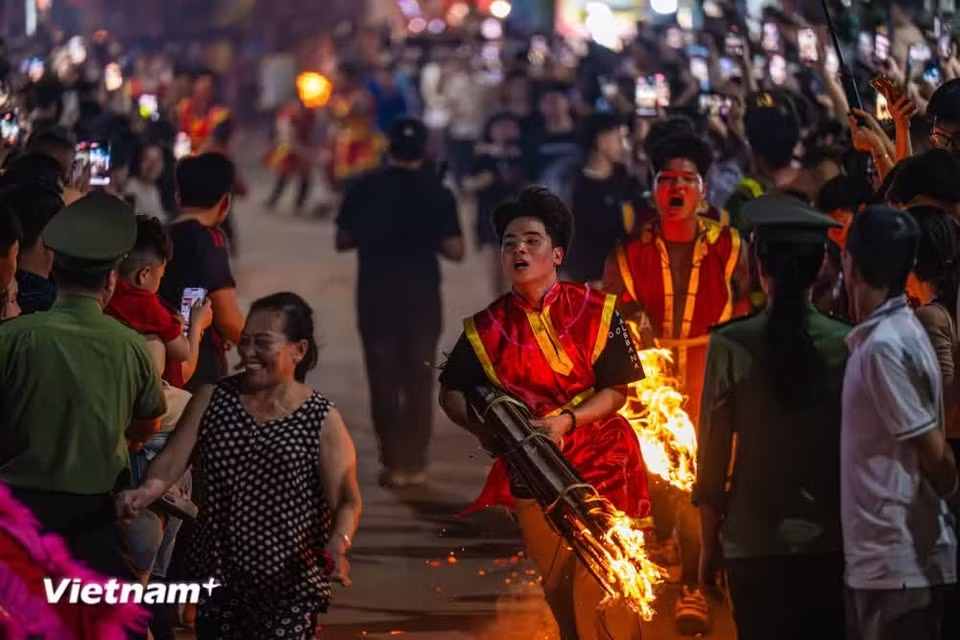
As the Saint’s palanquin neared Tuong Phieu communal house, dozens of torchbearers ran ahead to clear the way. (Photo: VietnamPlus)
Once the palanquin entered the communal house grounds, attendants began spinning it, creating a striking and unusual scene. (Photo: VietnamPlus)
While water is regarded as a sacred symbol in many traditional festivals, fire is the defining symbol of the Tuong Phieu communal house festival. The flames from the torches resemble a fiery dragon moving toward the village. (Photo: VietnamPlus)
The Tuong Phieu communal house is a renowned ancient relic site in the Xu Doai region. It was recognised as a Special National Relic Site at the end of 2018. (Photo: VietnamPlus)
Festivalgoers gathered joyfully under the glow of the torches, all hoping to pass beneath the palanquin to pray for blessings and good fortune. (Photo: VietnamPlus)
As the procession is held only once every three years, local residents of all ages eagerly attend to witness the sacred atmosphere of the festival. (Photo: VietnamPlus)
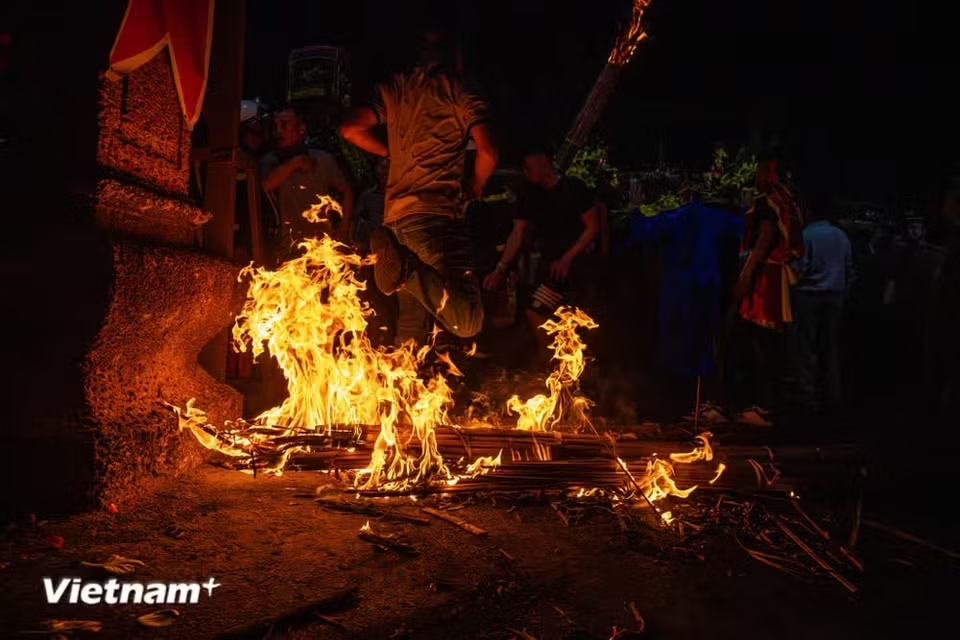
Some people even leap over the burning torches in hopes of good luck in the new year. (Photo: VietnamPlus)
The traditional Tuong Phieu village festival is an occasion for local people to express respect and gratitude to their ancestors. It is also a unique cultural identity of the Xu Doai region, helping to strengthen community solidarity and contributing to the building of a prosperous and civilised community. (Photo: VietnamPlus)
0
1
2
3
4
5
6
7
8
9
10
11
12
13
14
15
16
17
18
19
20
21
22

Thousands light giant torches to ‘illuminate the way’ for Saint Tan Vien procession

The procession returning Saint Tan Vien’s palanquin to Tuong Phieu communal house featured a unique nighttime ritual that attracted thousands of participants. Four giant torches up to 13 metres high were lit during the ceremony.