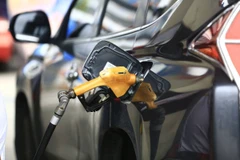
Philippines allows temporary sale of lower-grade fuel
The authority is narrowly targeted and strictly regulated, and does not replace the country’s Euro IV fuel standards, which remain in force under existing laws and regulations.
The authority is narrowly targeted and strictly regulated, and does not replace the country’s Euro IV fuel standards, which remain in force under existing laws and regulations.
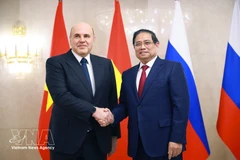
Following the talks, PM Chinh and PM Mishustin witnessed the signing of the agreement between the two governments on cooperation in building a nuclear power plant on the territory of Vietnam.
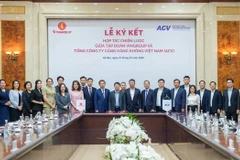
Vingroup and ACV plan to roll out clean energy solutions and advanced power supply models tailored to airport operations and affiliated units. Priority will also be given to developing infrastructure for electric vehicles, including charging networks and related support services.
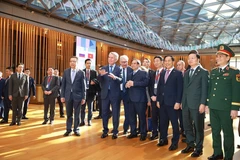
Novatek has successfully implemented large-scale LNG projects and developed proprietary liquefied natural gas technologies. The group is currently showing strong interest in Vietnam’s LNG sector, including potential participation in the Ca Na project in Khanh Hoa province alongside partners such as Zarubezhneft and exploring opportunities in Vietnam’s rapidly growing gas market.
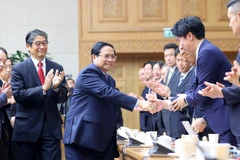
Prime Minister Pham Minh Chinh has called on Japanese businesses to maintain strong confidence in Vietnam during a dialogue with enterprises in Hanoi on March 21.
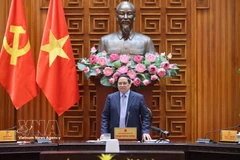
A range of fuel price support measures has been applied, including the use of the petrol price stabilisation fund and adjustments to taxes and fees. As a result, domestic fuel prices are currently lower than in most countries in the region, a significant effort under present conditions.

The Ministry of Industry and Trade held a launch ceremony on March 21 for the programme “All people use energy efficiently and respond to Earth Hour 2026."
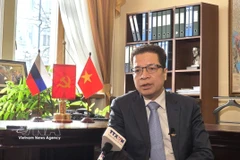
At the invitation of Russian Prime Minister Mikhail Mishustin, Vietnamese Prime Minister Pham Minh Chinh will pay an official visit to Russia from March 22–25. Ahead of the trip, Vietnam’s Ambassador to Russia Dang Minh Khoi spoke to Vietnam News Agency correspondents about the significance and key priorities of the visit.
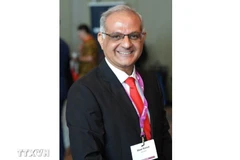
Vietnam’s economy has nevertheless maintained strong macroeconomic fundamentals and resilience among emerging Asian economies. Supporting indicators included GDP growth of 8.02% in 2025, inflation at 3.31%, trade turnover exceeding 930 billion USD, a trade surplus of about 20 billion USD, and foreign exchange reserves reaching 85.4 billion USD.

The campaign comes amid growing concerns over global energy security as ongoing tensions in the Middle East continue to disrupt supply chains. In this context, energy efficiency has been identified as a key solution to ease supply pressure, reduce costs, and enhance economic competitiveness.
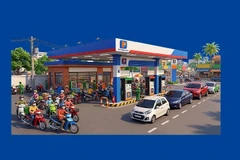
Amid increasingly complex developments in the military conflict in the Middle East since February 28, 2026, the Vietnamese Government has rolled out urgent measures to ensure energy security.
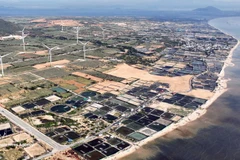
Atomic energy activities must ensure the highest standards of safety and security for people, the environment and society, while fostering a strong culture of safety and security as the foundation of all operations.
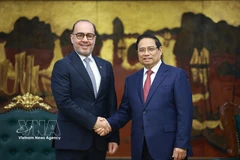
Vietnam stands ready to work with Qatar and contribute to broader efforts to promote peace and stability, stressing the principles of solidarity to build strength, cooperation to mobilise resources and dialogue to foster trust.
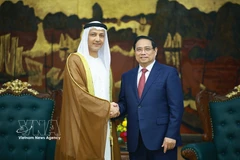
Vietnam–UAE relations have continued to grow, with the UAE now Vietnam’s largest trading partner in the Middle East and a potential investor. For Vietnam, the UAE is not only an important economic partner but also a sincere and reliable friend sharing common values of peace, cooperation, and prosperity.
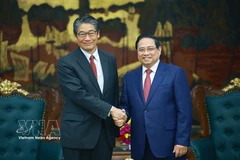
The PM proposed that the ambassador raise voice to help facilitate Vietnam’s access, through appropriate forms, to part of the 80 million barrels of oil that Japan is considering releasing from its reserves to mitigate the impact of Middle East tensions on fuel prices.
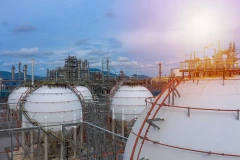
This agreement extends the current cooperation for three more years, ensuring continuity of LNG projects that are essential to stabilising the energy infrastructure of both countries.
On the measures the Singapore government has in place to handle the rise in global gas prices, Tan highlighted that around half of the city-state’s gas is piped to Singapore from the region and is therefore “unaffected”. Moreover, the country diversifies its sources of imported LNG, and hence is “not overly exposed to the Middle East”, he noted.
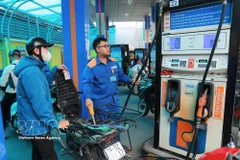
Economic expert Dinh Trong Thinh said revising fuel import tariffs helps diversify supply sources and reduce reliance on traditional markets, thereby strengthening Vietnam’s ability to cope with potential global supply shocks. Ensuring access to multiple energy sources is also vital for safeguarding national energy security, he added.
Vietnam’s participation in the World Nuclear Energy Summit reflected its support for international initiatives promoting the development and peaceful use of atomic energy, particularly nuclear power.

Thai government agencies and state-owned enterprises were instructed to immediately begin working from home, except for those responsible for public services.