Hanoi (VNA) – Vietnam leads the Southeast Asian region in terms of consumer optimism, according to the sixth edition of the ASEAN Consumer Sentiment Study (ACSS).
The country recorded the highest score in the newly-launched UOB ASEAN Consumer Sentiment Index at 67, well above the regional average of 54, reflecting sustained confidence among Vietnamese consumers in national economy and personal financial outlook.
Sharp rebound in consumer confidence
More than 8 in 10 Vietnamese respondents expressed optimism about the country’s broader economy, with the sub-index increasing by 12 percentage points from 2024.
This sentiment is supported by Vietnam’s robust macroeconomic performance in the first half of 2025, including its GDP growth of 7.52% year-on-year, which is the highest first-half growth recorded since 2011.
Vietnamese consumers show strong confidence in the country’s political, economic and social stability. This optimism persists despite global uncertainties, including the US tariff announcement on April 2.
Stable commodity prices and sustained foreign direct investment (FDI) flows have further contributed to the positive outlook. UOB’s latest economic forecast, released last month, revised Vietnam’s full-year GDP growth to 7.7%, up from 7.5%, following a strong Q3 performance of 8.23%.
Confidence in the macroeconomic environment has translated into optimism in personal finances among Vietnamese consumers. More than 70% of respondents expect their financial situation to improve in the coming year.
Concerns over rising household expenses have eased compared to last year, with a three percentage-point drop to 50%, and a notable 12 percentage-point decline among Gen Z respondents. However, Vietnamese consumers remain concerned over income stability and long-term financial commitments, particularly among Gen Y consumers.
As inflation concerns ease, Vietnamese consumers are turning their attention to broader environmental issues. The study reveals that climate change, natural disasters, and pollution are now the top concerns for 66% of respondents, ahead of economic factors such as US tariffs (59%). This shift in preferences has reshaped consumers’ shopping behaviour, where one in three Vietnamese consumers are willing to pay more for eco-friendly products, 11 percentage points higher than the regional average.
Besides being more environmentally conscious, the heightened sense of financial security among Vietnamese consumers has also driven increased spending across several key categories in 2025.
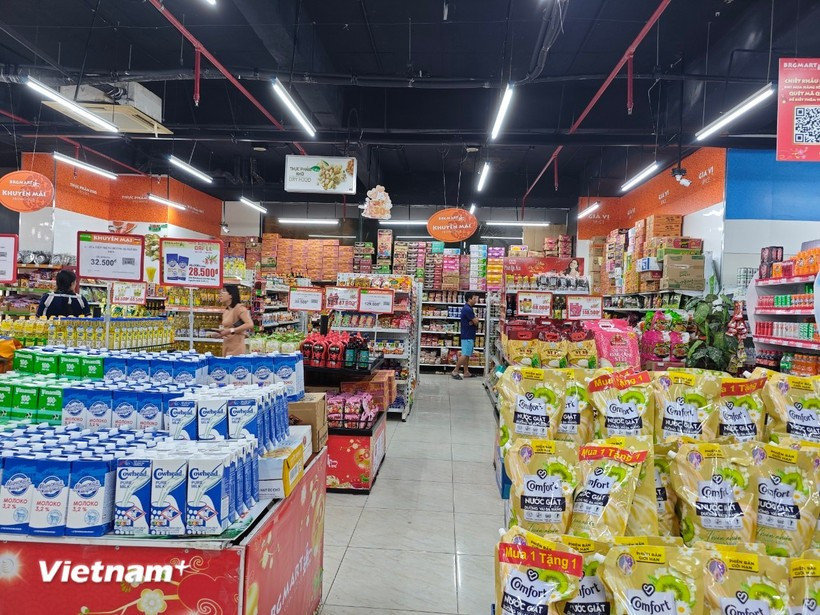
ACSS showed that 67% of Vietnamese consumers reported higher expenditure in areas of education and health-wellness, coming above daily living expenses such as utilities, commuting, and groceries (53%).
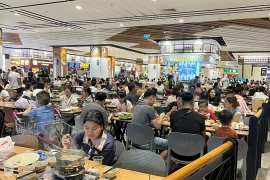
More than half of consumers also reported higher spending on experiential and luxury categories, reflecting a growing appetite for lifestyle upgrades. Eight in 10 consumers also considered experiences such as entertainment events, fine dining, and leisure travel to be essential parts of their lifestyle.
UOB’s study found that Vietnamese consumers continue to demonstrate strong financial preparedness, with 94% respondents feeling capable of managing their personal finances and 86% consider themselves to have sufficient emergency funds
Solid financial foundation
Savings habits remain solid, with eight in 10 respondents saving more than 10% of their monthly income, especially among women. About 57% also have saved enough to cover three to six months of expenses.
However, Gen Z stands out as the least financially prepared among all consumer segments. The study found that 5% of Gen Z respondents felt completely unprepared in terms of emergency savings and insurance coverage, and less than half (47%) had emergency savings that cover more than three months of expenses. Additionally, only 33% held personal health insurance, and life insurance ownership was the lowest among this age group at 43%. Most notably, 13% felt completely unprepared to manage existing debts.
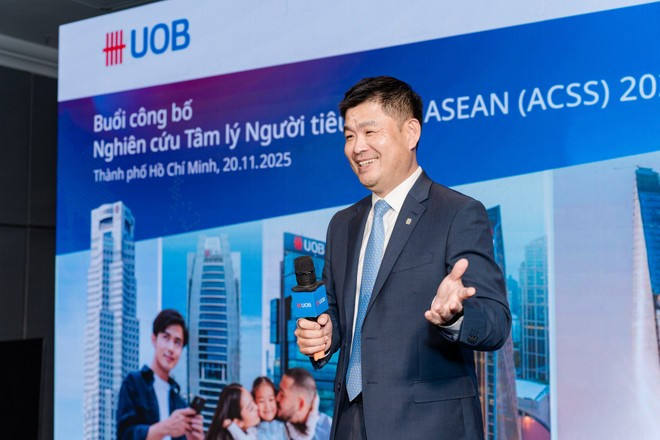
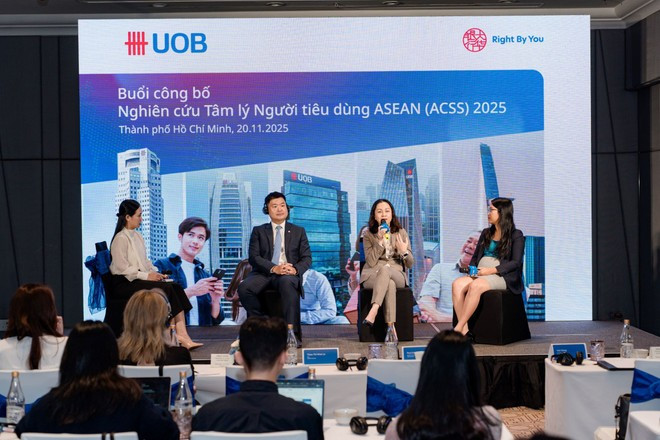
“ACSS insights present meaningful opportunities for UOB to better serve our customers as their needs evolve. By understanding consumer behaviour across different segments, we can provide tailored solutions that support their life goals,” said Paul Kim, head of personal financial services at UOB Vietnam.
The ACSS 2025 surveyed 5,000 respondents aged 18 to 65 across five ASEAN countries, namely Indonesia, Malaysia, Singapore, Thailand and Vietnam between May and June 2025, in collaboration with Boston Consulting Group./.