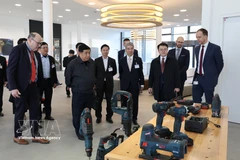
Hanoi (VNA) - Economists have suggested Vietnam take a proactive stance in negotiations following the US announcement of new reciprocal tariffs of up to 46% on Vietnamese goods.
The recent announcement by US President Donald Trump has sent shockwaves to Vietnamese exporters.
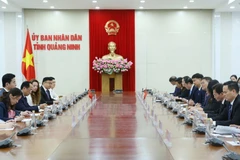
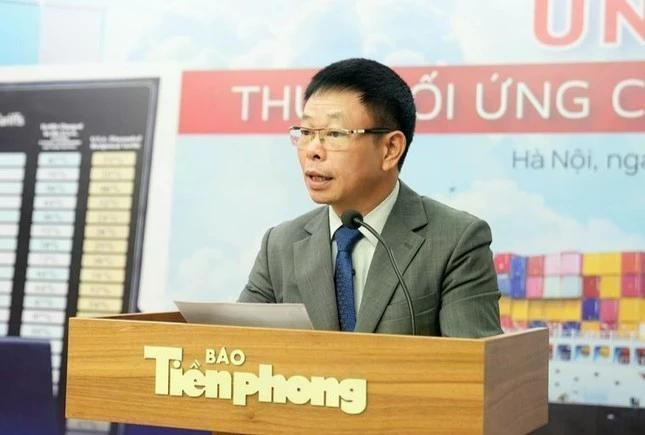
At a forum titled “Responding to US Reciprocal Tariffs” hosted by Tien Phong (Vanguard) newspaper on April 8, economists, government officials, and business leaders assessed the impact of the new tariffs and explore response strategies.
A shock to key export sectors
The US is currently Vietnam’s second-largest trading partner and top export market. Bilateral trade reached nearly 150 billion USD last year, with a significant surplus in Vietnam’s favour, heard the forum.
According to Tien Phong Editor-in-Chief Phung Cong Suong, five major sectors that together make up over 64.3% of Vietnam’s exports to the US are expected to be hit hardest: electronics, textiles, footwear, wood products, agriculture–aquaculture, and metals.
Ngo Sy Hoai, Vice Chairman of the Vietnam Timber and Forest Product Association, called the tariff policy a shock to the wood industry, as it would affect around 4,000 small and medium-sized businesses and over one million farming households.
“Many importers have postponed orders, and the likelihood of signing new contracts is very low,” he added.
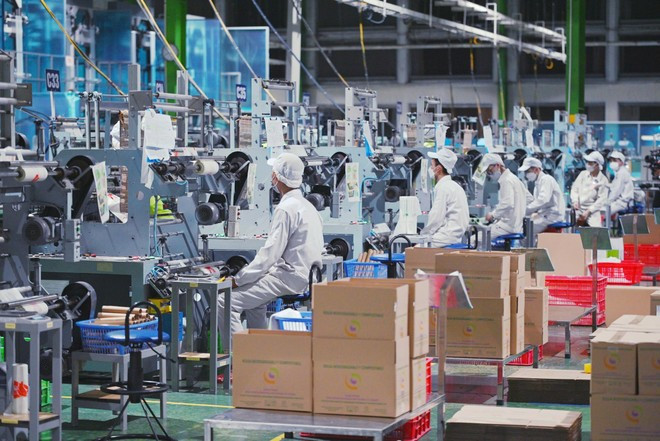
Vietnam’s textile and garment sector, which generates more than 16 billion USD in annual exports, could also face significant disruption.
The US accounts for 35–40% of the industry’s export revenue. Hoang Manh Cam from Vinatex, noted that while the tax rate was uniformly applied to similar goods from other countries, it nonetheless exceeded expectations.
“Preliminary analysis shows potential consumer demand reduction due to higher prices,” Cam said.
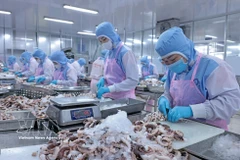
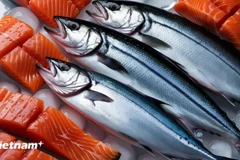
Le Hang, Deputy General Secretary of the Vietnam Association of Seafood Exporters and Producers (VASEP), expressed concerns about nearly 40,000 tonnes of Vietnamese seafood currently en route to the US. It remains unclear whether these shipments will be taxed according to the US new tariff policy.
In addition to the 46% tariff, many seafood products could be subject to further levies, including anti-subsidy and anti-dumping duties, potentially pushing the total tax burden to 75%.
Hang warned that losing access to the US – Vietnam’s largest seafood export market worth 1.8–2.1 billion USD annually – would have serious consequences for millions of farmers and businesses.
Act proactively
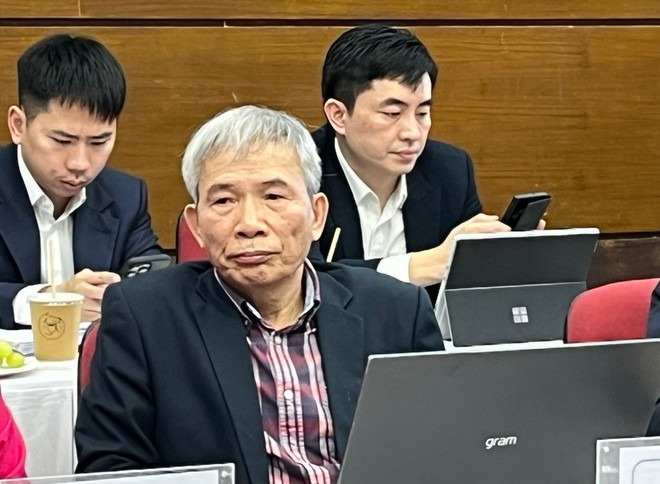
Economist Nguyen Quang Huy described the 46% rate as “unimaginable” and emphasised the need for Vietnam to position itself as a leading player in response to such tax changes.
He proposed four strategic pillars for adaptation: standardising supply capacity, strengthening legal frameworks and trade defence mechanisms, shifting from low-cost manufacturing to innovation, and diversifying markets to reduce dependency and adapt to the new protectionism.
Former Deputy Foreign Minister and former Ambassador to the US Pham Quang Vinh said the tariff move reflects President Trump’s “America First” strategy and his efforts to redefine global trade rules. Vinh stressed the need for Vietnam to enter negotiations to safeguard national interests.
On the government side, Mai Son, Deputy Director of the Department of Taxation, said Vietnamese authorities had anticipated the US move and responded promptly. He added that the government had rolled out tax relief measures and extended payment deadlines to support businesses, while accelerating digitalisation in tax administration./.