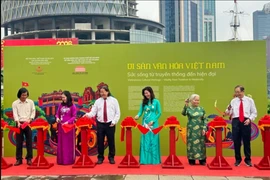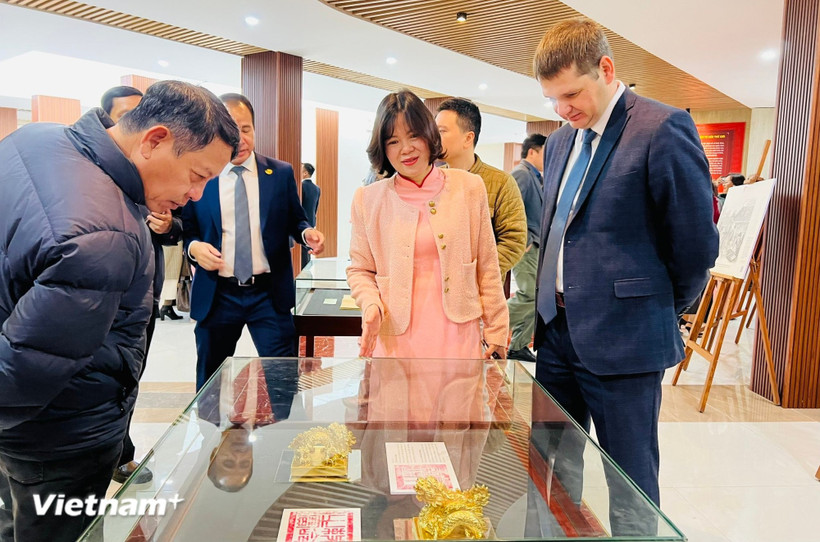
Hanoi (VNA) – The launch of a new exhibition space dedicated to world documentary heritage and outstanding national archives marks a significant milestone in efforts to “bring archival treasures to life”, Dang Thanh Tung, Director of the State Records and Archives Department of Vietnam, said at the opening ceremony in Hanoi on January 28.
Addressing the launch at the department’s headquarters, Tung described the initiative as a step forward in realising the policy of making documentary heritage and archival materials more accessible to society at large, placing them at the service of the community.
Organisers hope the venue will become a cultural destination of substance – a vivid “classroom of history” and an open learning ecosystem serving a wide range of people, from school pupils and students to researchers, members of the public and international visitors.
Efforts to revitalise documentary heritage
In his opening remarks, Tung stressed that national archival materials constitute an especially important body of primary historical sources, faithfully reflecting the country’s course of history, cultural life, governance mindset, and development across the ages.
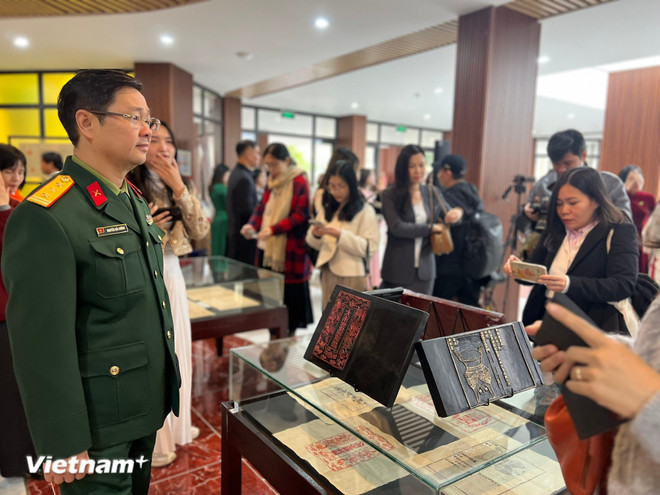
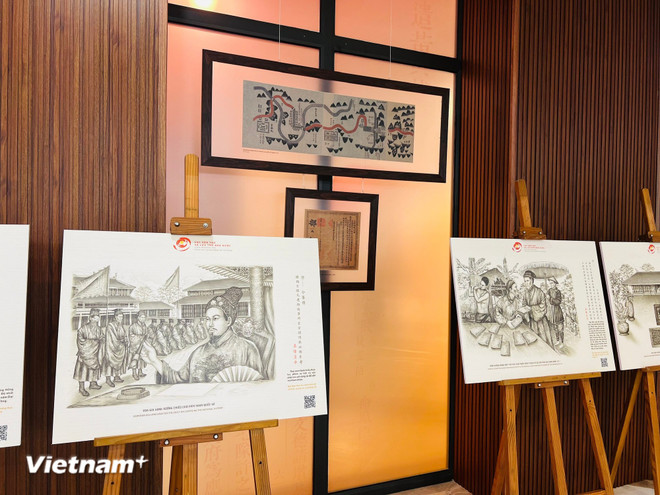
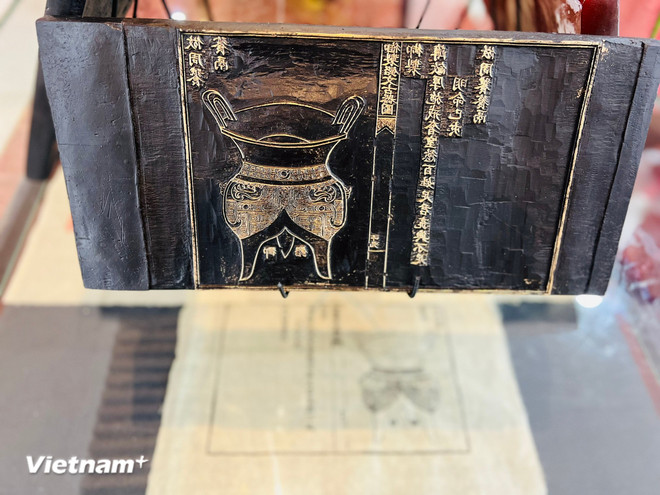
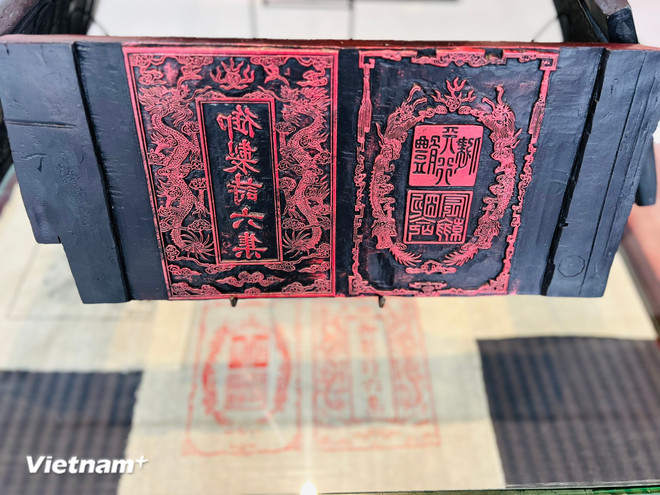
Among them, the woodblocks (moc ban) and imperial archives (chau ban) of the Nguyen Dynasty (1802–1945) – both inscribed by UNESCO as world documentary heritage – are not only a source of pride for the archival sector, but also invaluable national assets.
In line with the Politburo’s Resolution No. 57 on science – technology development, innovation, and national digital transformation, the department has identified digital transformation in archiving as a shift in how information is delivered and how the public accesses and uses archival documents.
The new exhibition space embodies this approach and is regarded as a focal point in the sector’s digital transformation and public engagement strategy for the years ahead, he noted.
An immersive, multi-dimensional experience
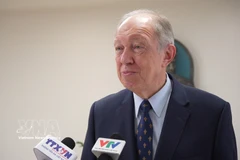
Nguyen Thi Nga, Deputy Director of the State Records and Archives Department, said the space features three principal content areas. At its heart is a modern media hub where archival materials are transformed into digital data, media content, and interactive multimedia products.
As a result, domestic and international visitors are offered an accessible and comprehensive overview of the country’s documentary heritage and national archives, with opportunities to explore, research, and engage directly with original materials.
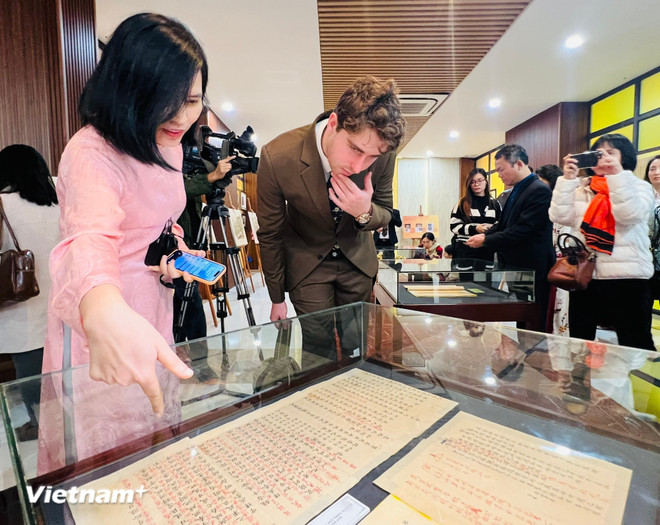
In particular, as part of the launch of the exhibition space, a number of outstanding original archival documents related to the national flag, national anthem, national emblem, and Constitution were introduced to the public as sacred symbols of the nation, embodying the Vietnamese people’s will and aspirations for independence and freedom.
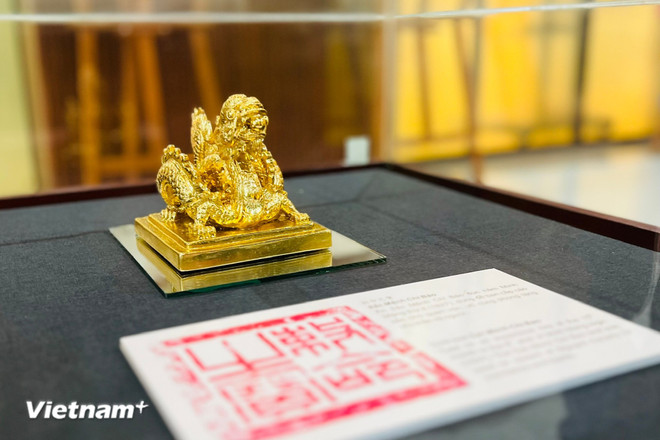
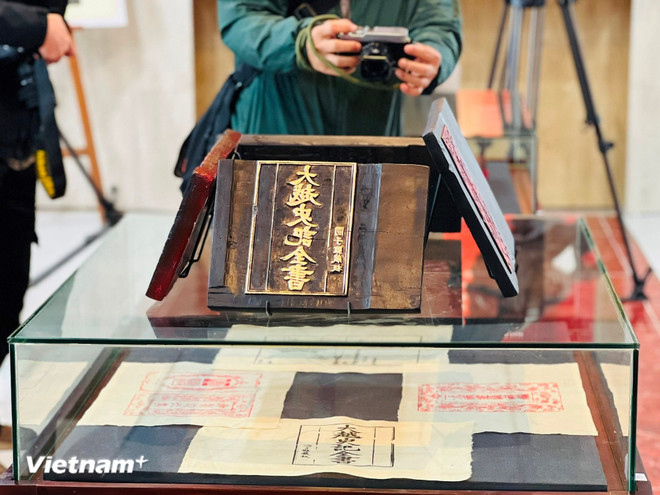
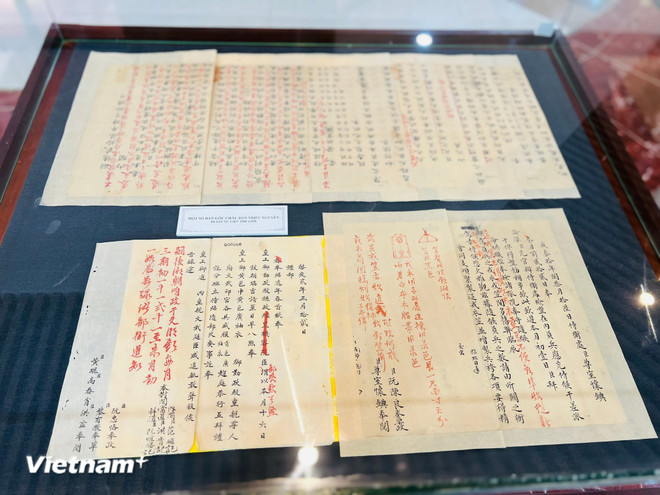
From March 3, the space will be open to visitors free of charge from 9 am to 4 pm on weekdays, according to the organisers.
The department is currently working with the Inter-Ministerial Service of Archives under France’s Ministry of Culture to finalise a dossier seeking UNESCO recognition for the body of French-language archival documents from the 1858–1954 period as world documentary heritage.
Looking ahead, Nga said the department will intensify the application of digital technology to bring archives closer to society. It will regularly organise thematic exhibitions and develop what she termed “documents that speak” – from video clips and specialist publications to advanced interactive multimedia applications.
She said the archives are not merely about preserving memory, but about providing knowledge, disseminating values, and contributing to socio-economic development and the safeguarding of national sovereignty./.