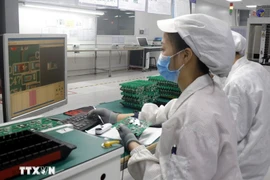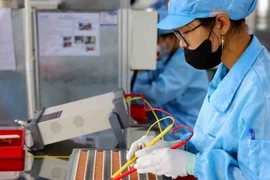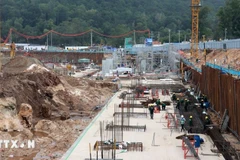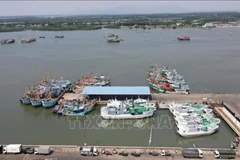
Hanoi (VNA) – Nearly 40 years after the launch of the “Doi Moi” (Renewal) cause, the movement has resulted in a miracle of economic development with economic scale rising 106 times, transforming from a war-torn country to a leading growth driver of ASEAN.
From ash of war to regional star
Nearly four decades ago, Vietnam was a nation devastated by war, with an economy close to collapse. In 1975, its GDP per capita stood at a mere 80 USD, reflecting the deep scars left by decades of conflict. The years following reunification were tough. Efforts to revive the economy under a centrally planned system between 1976 and 1985 yielded limited success, with the country struggling through economic and social crises.
A turning point came in 1986 during the 6th National Congress of the Communist Party of Vietnam. This marked the birth of the Doi Moi (renewal) - a revolutionary shift in economic strategy that opened the door to rapid development.
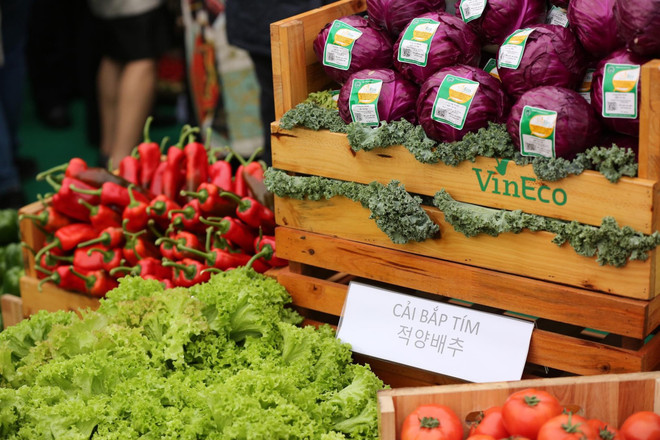
The Party prioritised three major economic programmes: elevating agriculture, developing light and handicraft industries, and selectively fostering heavy industry. These changes represented a fundamental departure from past policies, embracing a more market-oriented approach.
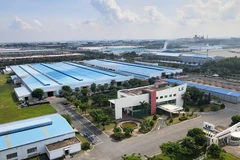
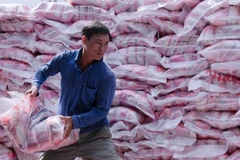
One of the most significant breakthroughs was in agriculture. The reforms unleashed the production potential of farmers, transforming Vietnam from a food-deficit country into one of the world’s largest rice exporters. Complementing this was the 1987 Foreign Investment Law, which dramatically expanded the country’s ability to attract foreign direct investment (FDI), opening Vietnam’s economy to global markets.
The results were swift and impressive. By 1990, Vietnam’s GDP had multiplied 73 times compared to 1986. Growth was broad-based - agriculture, forestry, and fisheries expanded 74 times, industry and construction grew 53 times, and services surged 88 times.
The average GDP growth rate between 1987 and 2024 stood at about 6.67% annually, among the highest in the world, making Vietnam among regional economic leaders within ASEAN.
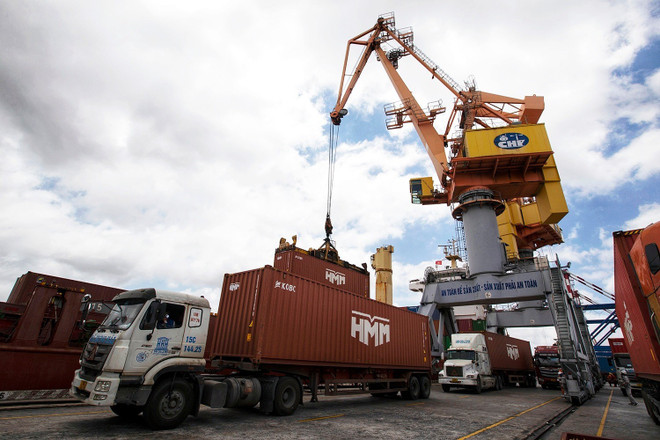
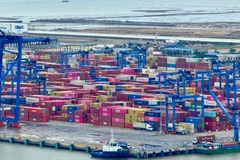
By 2024, Vietnam’s GDP soared to approximately 476.3 billion USD — nearly 106 times the 1986 level. Per capita income increased more than 60-fold to around 4,700 USD, enabling the country to exit the low-income bracket in 2008. Alongside this impressive quantitative growth was a structural transformation: agriculture’s contribution to GDP dropped from nearly 37% in 1986 to under 12% by 2024, while industry and services grew to 38% and 42%, respectively. Vietnam integrated intensively and extensively into the world economy, with total import-export turnover expanding 267 times, making it one of the countries with the biggest trade openness.
New challenges
Despite these extraordinary achievements, experts cautioned that the journey ahead is fraught with challenges.
Vietnam’s growth model still depends heavily on cheap labour and capital investment. Productivity gains and innovation, particularly in science and technology, have not kept pace. The economy’s structural transformation lags behind regional peers; for example, Vietnam’s agricultural share in GDP in 2023 was comparable to Thailand’s in 2011 and Malaysia’s in 1996, highlighting room for advancement.

Global shifts such as the green transition and digital transformation present both opportunities and pressures. While these trends could help Vietnam leapfrog to more sustainable and tech-driven growth, the country faces constraints in absorbing new technologies and lacks robust green finance mechanisms. Additionally, amid the US-China technology rivalry, countries need a balanced and flexible strategy to avoid over-dependence and to strengthen technological self-reliance.
Vietnam’s location also offers a chance to benefit from “friend-shoring” — the relocation of supply chains to politically aligned countries — potentially boosting FDI inflows. However, without improvements in infrastructure, logistics, enterprise capacity, and higher domestic content in production, Vietnam risks remaining a mere assembly hub rather than a true innovation centre.
To address these challenges and realise its 2045 vision of becoming a developed, high-income nation, the 13th National Party Congress identified the need for a “second renovation.” This strategic renewal focuses on overhauling the growth model, restructuring the economy, and fostering innovation.
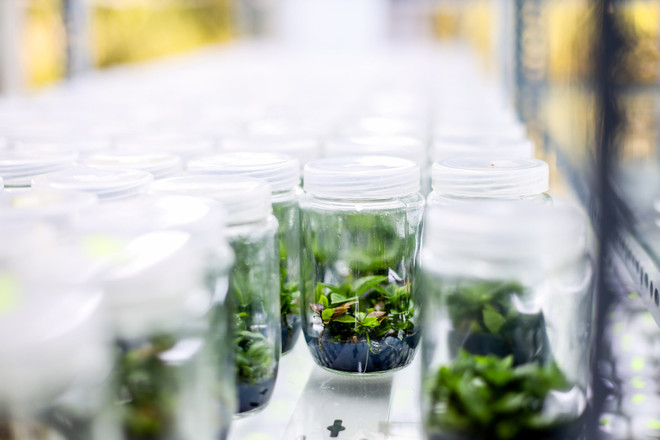
Experts recommend a range of policy priorities - maintaining macroeconomic stability, deepening institutional reforms, enhancing the business environment, investing in science and technology, upgrading infrastructure, and advancing human capital development aligned with Industry 4.0 demands.
Special attention is also called for strengthening state management with a leaner, more transparent, and efficient government apparatus. Equally important is nurturing a vibrant private sector, including the formation of modern economic conglomerates that can drive high-tech growth and economic dynamism.
A critical element in this new phase is developing knowledge-intensive services such as tourism, aviation, IT, and high-quality health care, while improving public investment efficiency in areas unattractive to private investors.
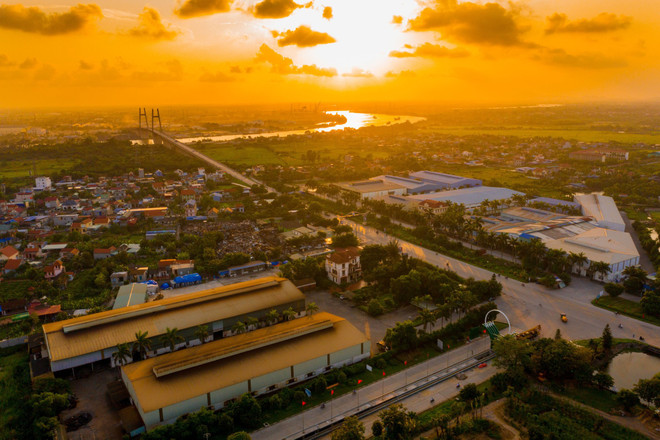
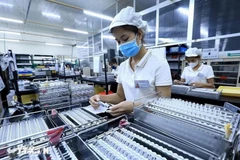
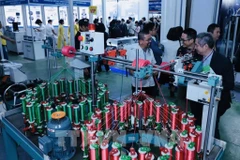
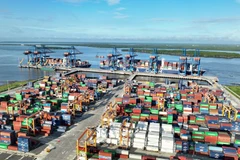
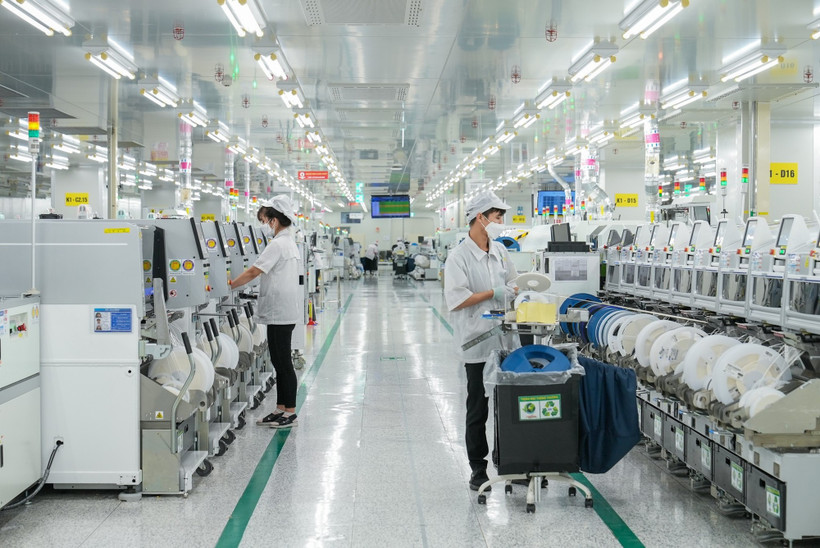
Nearly 40 years of Doi Moi (Renewal) have witnessed the remarkable rise of Vietnam's economy. (Photo: VietnamPlus)
In sum, the remarkable success story of Vietnam’s economic renewal over the past 40 years has transformed it from one of the poorest nations into a shining growth star in the global economy. Yet, as the country sets its sights on 2045, it must embrace a bold, innovative, and sustainable growth path — a “second renovation” that leverages science, technology, and human talent to build an independent, resilient, and prosperous economy. With the collective will of the government, business community, and people, Vietnam stands ready to embark on this promising new era./.