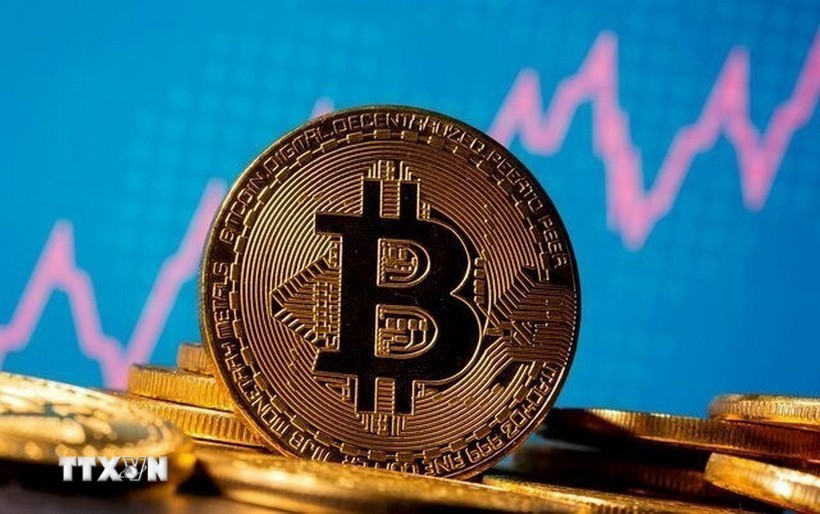
Vietnam’s pilot of crypto trading market – bold step towards global fintech standards: experts

The resolution highlights Vietnam’s cautious yet progressive entry into the regulated cryptocurrency market, establishing strict control and protecting the legitimate rights and interests of both domestic and foreign organisations and individuals.

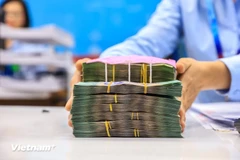
The five-year trial of the crypto market is long enough to test, evaluate, and adapt policies while ensuring financial stability, according to experts. (Photo: VNA)

Hanoi (VNA) – The Vietnamese Government’s Resolution No. 05/2025/NQ-CP on the five-year pilot of crypto asset trading goes beyond keeping pace with global fintech trends to reflect the country’s pioneering role in setting international governance standards for this area, according to insiders.

A shift in management mindset

The resolution highlights Vietnam’s cautious yet progressive entry into the regulated cryptocurrency market, establishing strict control and protecting the legitimate rights and interests of both domestic and foreign organisations and individuals.

Colonel Dr. Hoang Van Thuc, Director of the Academy of Cryptography Techniques, who is also a senior advisor of the Vietnam Blockchain and Digital Asset Association, stressed that the controlled pilot demonstrates smart risk governance, staying cautious while making breakthroughs. He highlighted it as the clearest evidence of the Party and State’s leadership mindset, which transitions from pure management to a guided development approach.

The State lays the legal foundation for recognising and managing a completely new asset, which, the expert said, is a concrete step to safeguard the legitimate rights and interests of investors, enterprises, and people while preventing illegal activities.

The pilot programme could not be successful through a free-float or loose management, particularly with crypto assets which are tied to complicated technologies and exposed to non-traditional security risks. Thuc explained that the State-controlled crypto market not only ensures financial security but also affirms the nation’s digital sovereignty.

The five-year trial, he said, is a carefully calculated timeframe, long enough to test, evaluate, and adapt policies while ensuring financial stability, adding that developing a crypto asset trading market is not merely creating a transaction platform but also building trust as well as promoting transparency and social responsibility.

Vietnam needs a pool of well-trained specialists in information security, blockchain technology, and digital financial risk management to operate the market in a safe and transparent way, he added.

Building legal framework aligned with international standards


Financial experts said the resolution is a blueprint for Vietnam’s crypto asset trading market during the trial period.

Chairman of the Vietnam Blockchain and Digital Asset Association Phan Duc Trung said the issuance of the resolution underscores the Government’s determination in creating an enabling environment for investors and refine policies in line with international norms, helping to build confidence among global investors.

Under the resolution, any service provider needs a chartered capital of at least 10 trillion VND (379 million USD), at least 65% of which must be contributed by institutional investors. This standard, Trung explained, diverges from international practice, where technology, compliance, insurance, human resources, and money laundering controls are often prioritised over capital thresholds. However, in Vietnam’s pilot phase, the rule is meant to ensure that only players capable of covering losses and protect investors can enter the market.

The regulation, however, has sparked concern among startups, with several Vietnamese blockchain startups having already restricted domestic transactions to review compliance risks. Trung stated that while Vietnam has long supported innovation through startup initiatives in Da Nang, Ho Chi Minh City, and the Ministry of Science and Technology, new complementary legal corridors should be penned to balance innovation with effective management.

The association will continue coordination with competent ministries to build a complete legal framework in the earliest time, he added./.

VNA
See more

Cat Lo Fishing Port in Phuoc Thang ward, Ho Chi Minh City. (Photo: VNA)

HCM City earmarks over 2.54 million USD for fisheries transition

The project targets the conversion of around 6% of the city’s fishing fleet, focusing on nearshore and inshore vessels and part of the offshore trawler fleet, towards fishing methods with lower environmental impact, including hook-and-line, gillnets, purse seines, traps and cages, as well as fisheries logistics services.

LS Eco Energy factory (Photo: Iscns.co.kr)

RoK company expands rare earth metal production in Vietnam

LS Eco Energy, a company specialising in renewable energy and rare earth elements under the Republic of Korea (RoK)'s LS Cable & System, has approved a plan to expand its rare earth metal business in Vietnam, in a bid to seek long-term growth in the strategic materials sector.

Prime Minister Pham Minh Chinh speaks at the fourth meeting of the Central Steering Committee for Housing Policy and Real Estate Market on December 17. (Photo: VNA)

PM calls for stronger efforts to meet housing demand, ensure people's right to housing

PM Chinh noted that the real estate and housing market showed positive changes in 2025. With the engagement of the entire political system and society, Vietnam completed the elimination of temporary and dilapidated housing nationwide with more than 334,000 units, five years ahead of schedule. Nonetheless, continued efforts are needed to ensure no one is left without shelter.

Officers of the Hon Gai port border gate guard station coordinate inspections and handle vessels engaged in illegal fishing activities in Ha Long Bay. (Photo: Quang Ninh Newspaper)

Quang Ninh province strengthens fishing vessel controls

In the coming period, Quang Ninh will continue to implement government and ministerial directives on combating IUU fishing, contributing to efforts to meet the EC’s recommendations and move toward the lifting of the yellow card warning against Vietnam’s seafood exports.

The draft is designed to implement a plan to simplify business regulations for banks, in line with the Government's Resolution No. 66/NQ-CP. (Photo: VNA)

SBV plans to simplify business regulations for banks

Under a draft circular to replace Circular 32/2024/TT-NHNN, now open for public comment, many administrative procedures for establishing and relocating commercial bank branches and transaction offices will be significantly shortened.

Illustrative image (Photo: VNA)

Vietnam consolidates position as one of Asia’s economic bright spots

Next year, Vietnam is expected not only to maintain a high growth rate relative to the region but also to further reinforce its status as one of Asia’s economic bright spots thanks to macroeconomic stability, a dynamic domestic market, and a clear orientation towards attracting strategic investments.

Many vessels have installed additional vessel monitoring systems to ensure uninterrupted information connectivity with shore-based stations during fishing trips. (Photo: VNA)

Decisive moment of fight against IUU fishing violations

Under the close direction of the Prime Minister, coastal localities nationwide, particularly in central Vietnam, are urgently implementing assigned tasks with clear schedules and milestones, delivering tangible weekly progress.

Prime Minister Pham Minh Chinh speaks at the 26th meeting of the National Steering Committee for Combating Illegal, Unreported and Unregulated (IUU) Fishing. (Photo: VNA)

Local leaders must be held accountable for IUU fishing violations: PM

PM Chinh requested the Government Inspectorate to promptly identify localities that lack determination or fail to handle violations thoroughly, including cases where vessels not meeting legal requirements are still allowed to leave ports, and to clarify responsibilities and impose sanctions without delay.