Hanoi (VNA) – Achievements recorded during 2021–2025 show that agricultural restructuring has stayed on course, creating a strong platform for the agriculture and environment sector to move into a new stage of development driven by green, sustainable and responsible growth, in line with the nation’s long-term aspirations.
Over the period, the sector underwent a significant shift, with restructuring evolving from technical adjustments into a comprehensive transformation in development thinking. Vietnam has been gradually moving away from a volume-oriented model towards an agricultural economy focused on value addition, quality, efficiency and sustainability.
Against the backdrop of pandemics, climate change and heightened volatility in global markets, these results have reinforced agriculture’s role as a stabilising pillar while positioning it as a key growth engine in the coming period.
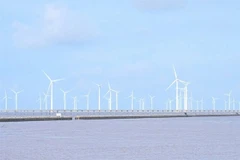
The sector has consistently advanced restructuring alongside green development, improving the efficiency of natural resource management, strengthening environmental protection and proactively adapting to climate change. This approach has helped Vietnamese agriculture not only weather successive shocks but also sustain steady growth, contributing significantly to macroeconomic stability, food security and the livelihoods of tens of millions of rural workers, a vital social foundation for long-term development.
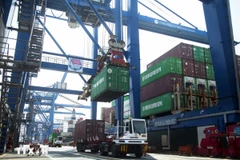
One of the most notable achievements of 2021–2025 has been the strong surge in agro-forestry-fisheries exports. From 42.3 billion USD in 2020, export earnings rose steadily and exceeded 70 billion USD for the first time in 2025.
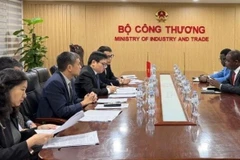
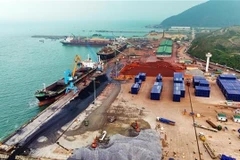
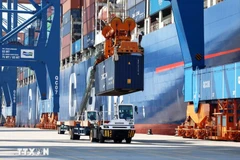
Deputy Minister of Agriculture and Environment Phung Duc Tien said the export sector has shifted clearly from quantity to quality, transforming agriculture from a largely self-sufficient base into a pillar export industry deeply integrated into global value chains. Beyond generating substantial revenue, this progress has opened up new growth space through stronger linkages with international trade, logistics, processing and agricultural services.
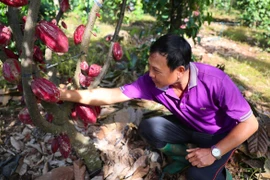
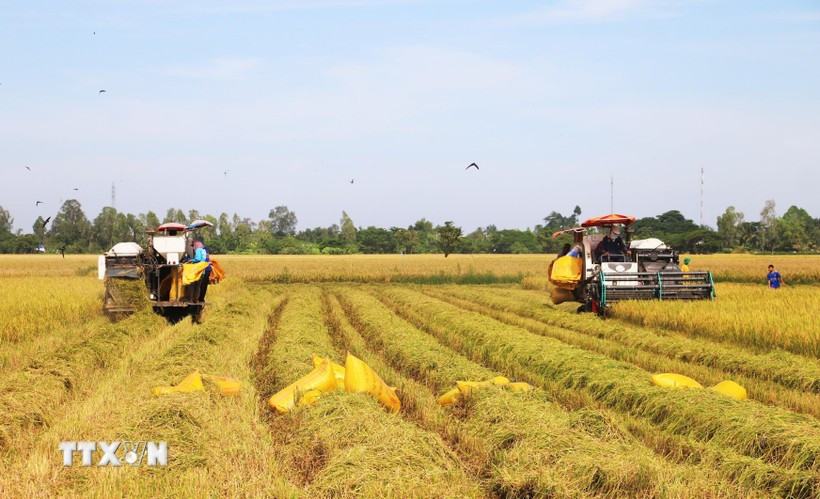
Across subsectors, restructuring has unlocked fresh growth drivers. Crop production has adapted flexibly to ecological zones through advanced cultivation practices and low-emission models, livestock farming has restructured product portfolios and moved towards farm-based production aligned with biosecurity and efficiency, fisheries have reduced nearshore exploitation while expanding aquaculture and strengthening quality control and traceability, and forestry has combined protection with development, promoting large-timber plantations, forest fire prevention and sustainable forestry, contributing to green growth and carbon neutrality goals.
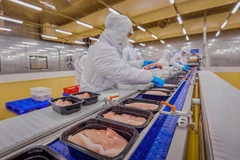
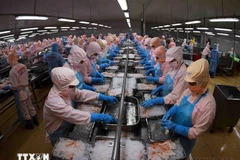
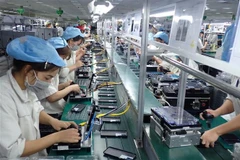
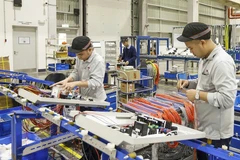
Record export performance has also been underpinned by the rapid expansion of agro-forestry-fisheries processing industries. Between 2021 and 2025, value added in processing grew by about 7–8% annually, while the share of deeply processed, high value-added products increased from roughly 20% in 2020 to more than 30% in 2025. The gradual shift from exporting raw materials to refined products has boosted agricultural value and widened growth opportunities
At the same time, digital transformation and green, circular agriculture have emerged as new engines of development.
Dr. Dang Kim Son, former Director of the Institute of Policy and Strategy for Agriculture and Rural Development (now the Institute of Strategy and Policy on Agriculture and Environment), noted that with proper prioritisation and breakthroughs in organisation, technology and policy, Vietnam’s agriculture could achieve annual growth of 4–5%, providing a solid foundation for the economy’s broader high-growth objectives.
Minister of Agriculture and Environment Tran Duc Thang said that from 2026 onwards, the sector is driven by a long-term vision that goes beyond growth in scale, aiming to build a modern, ecological and globally competitive agricultural sector, alongside a transparent and effective system of natural resource and environmental management that balances economic development with the protection of the country’s living space.
The success of the agriculture and environment sector, the minister stressed, should be measured not only by annual or term-based results, but by its sustained contribution to national development. The sector now stands at a historic juncture to reaffirm its role as a pillar in a new era of green, sustainable and prosperous growth./.