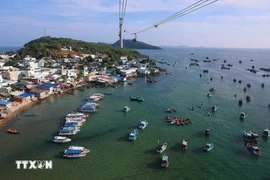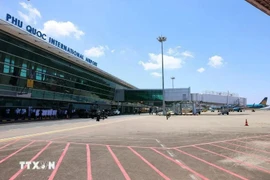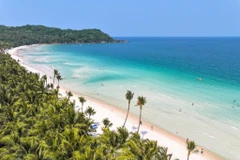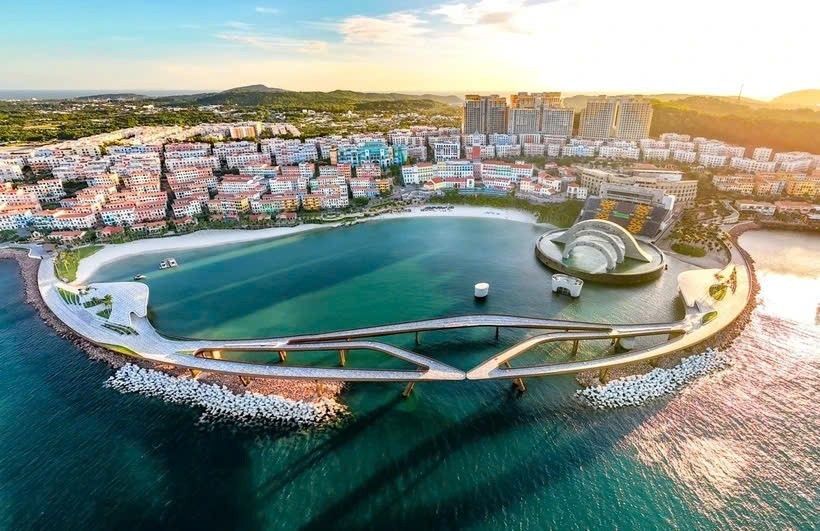
Kien Giang (VNA) – As the host of the 2027 APEC Economic Leaders’ Week, the island city of Phu Quoc in Vietnam’s southern Kien Giang province is embracing a bold and community-driven vision: every resident will act as a tourism ambassador. In parallel, authorities are implementing an ambitious roadmap to transform the island into a model of sustainable and green development aligned with the spirit of this high-profile international event.
Following Hanoi and Da Nang, Phu Quoc becomes the third Vietnamese city to welcome APEC’s top-level gathering. The event presents an unparalleled opportunity to showcase the island’s potential as a leading global destination while elevating Vietnam’s stature on the world stage.
Every resident as an ambassador
Outlining its strategic vision toward 2027, the Kien Giang People’s Committee stressed that hosting the APEC Economic Leaders’ Week is not only a great source of national pride but also a significant responsibility. As one of Vietnam’s most renowned tourism destinations, Phu Quoc’s success relies on not only policies and businesses but also on the contributions by its residents. The 2027 event is thus regarded as a shared honour and a shared duty among local authorities, enterprises, and the wider community.
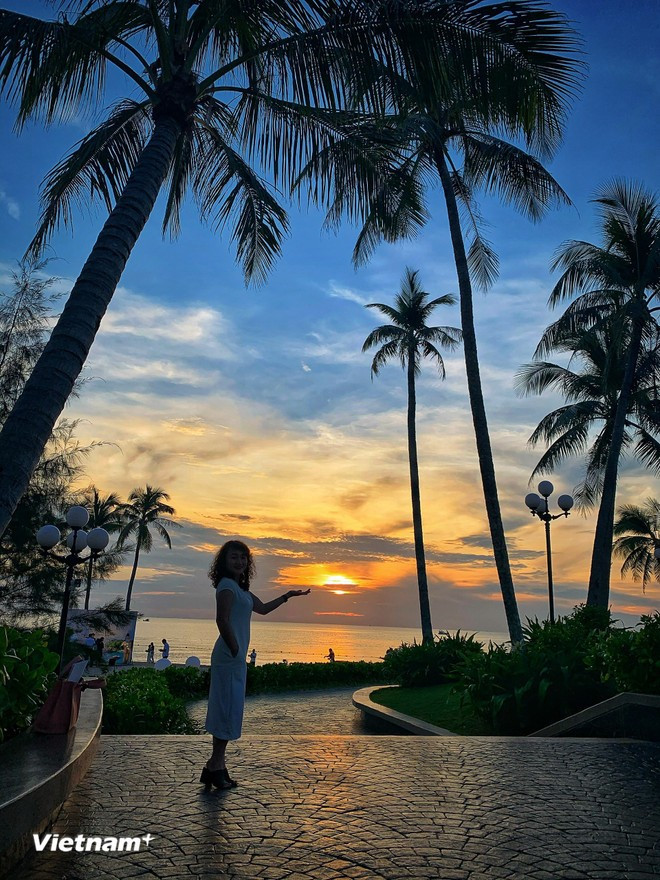
Having experienced a slowdown due to COVID-19 and the high travel costs that deterred domestic tourists in recent years, Phu Quoc is now regaining momentum. Targeted reforms have begun to pay off. In 2024, the island welcomed five million visitors, including one million international arrivals.
Still, challenges remain: how to ensure the successful organisation of the APEC Economic Leaders’ Week and leave a lasting and positive impression on global guests.
To this end, Phu Quoc has launched a campaign encouraging every resident to become a “tourism ambassador”. The aim is to cultivate a culture of friendliness, responsiveness, and professionalism. From street vendors and taxi drivers to staff at hotels and restaurants, locals are being urged to refine their communication skills, hospitality practices, and service mindsets to better the overall experience for visitors.
Authorities believe that only through well-coordinated planning, robust implementation, and widespread public awareness of their “ambassadorial role” can Phu Quoc achieve its goal of attracting over 10 million visitors annually—comparable to Da Nang’s current tourism figures.
While the island’s rapid development has been widely praised, Secretary of the Phu Quoc Party Committee Le Quoc Anh cautioned that without right measures, the 10-million-tourist mark could become a liability rather than a success story.
A blueprint for a green Phu Quoc
Bui Quoc Thai, Director of Kien Giang’s Department of Tourism, said turning Phu Quoc into a world-class, sustainable, and green destination is an imperative mission as the island gears up for 2027 APEC Economic Leaders’ Week.
“There’s not much time left and the workload is significant,” he said, pointing out the need for infrastructure upgrades, human resources development, new tourism offerings, and robust promotional campaigns. Crucially, he emphasised that boosting sustainable green tourism is key to enhancing Phu Quoc’s international image.
Experts are advocating the adoption of the circular economy’s principles. With the island currently landfilling between 150–200 tonnes of waste per day, the practice is clearly unsustainable. Authorities are therefore being urged to implement waste sorting at source and move towards the complete collection and reuse of wastewater from production, business, and residential activities.
The second focus is the development of smart and green infrastructure. Such infrastructure is considered the lifeblood of sustainable urban environments. Transitioning service vehicles and taxis from petrol-powered to electric ones, alongside investments in facilities using clean energy sources such as solar and wind, is also deemed vital.
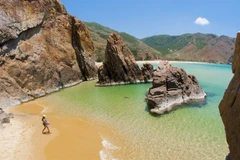
The third measure lies in promoting high-value ecological tourism integrated with the preservation of local cultural heritage. While tourism is a strategic economic pillar, experts warn that development must not come at any cost.
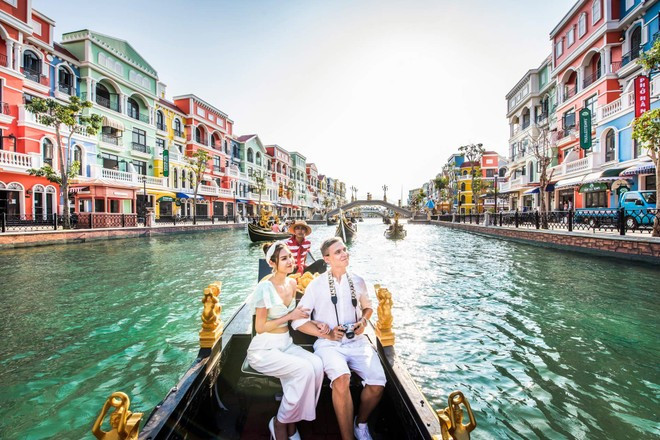
Amid growing threats from climate change and environmental degradation, Vietnam is reinforcing its vision of becoming a resilient and forward-looking country. Kien Giang authorities have laid out five pillars for Phu Quoc’s green transformation in preparation for the APEC Economic Leaders’ Week: green transport, green energy, green infrastructure, green tourism, and green governance.
Among these, green governance stands as the cornerstone. Effective implementation depends on a transparent and coherent policy framework that fosters coordination from the local to national levels. This will enable the harmonised execution of all five pillars, helping Phu Quoc realise its ambition of becoming a national symbol of sustainable tourism./.