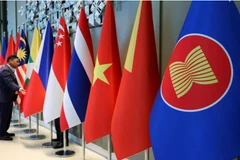
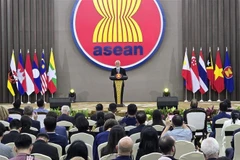
Kuala Lumpur (VNA) - Senior energy officials from ASEAN member nations and Timor-Leste on October 14 convened in Kuala Lumpur, Malaysia, to finalise key outcomes and policy recommendations to be submitted to the 43rd ASEAN Ministers on Energy Meeting (AMEM).
The discussions centred on strengthening regional energy security, promoting sustainability, and deepening market integration under the ASEAN Plan of Action for Energy Cooperation (APAEC).
Among the key outcomes of the meeting was the endorsement of new ASEAN targets under APAEC 2026-2030, including a 40% reduction in energy intensity, a 30% share of renewable energy in the total primary energy supply, and achieving 45% renewable energy generation in installed capacity by 2030.
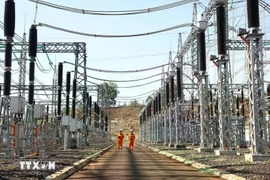
In addition, the meeting approved several key initiatives, including the Enhanced Memorandum of Understanding on the ASEAN Power Grid, the ASEAN Long-Term Renewable Energy Roadmap, and the ASEAN Power Grid Financing Initiative, which are led by the Asian Development Bank (ADB) and the World Bank (WB).
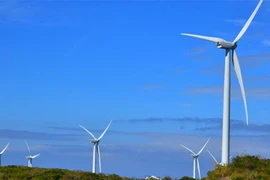
In its role as Chair of the ASEAN Renewable Energy Sub-Sector Network (RESSN), Malaysia pointed to significant progress in renewable deployment, noting that ASEAN’s renewable installed capacity reached 34.4% in 2023, nearly meeting the 35% target for that year. The bloc has also completed its long-term renewable roadmap and launched a regional Renewable Energy Certificate (REC) framework, intended to catalyse transparent cross-border trading of green energy.
At the same time, the meeting also formalised the establishment of the ASEAN School of Regulation (ASR) in Malaysia which will serve as a regional centre of excellence for capacity building and knowledge sharing in energy regulation and the integration of renewable energy.
Delegates also agreed to present several key recommendations to the 43rd AMEM, including the endorsement of APAEC 2026-2030, the Priority Economic Deliverables 2025, and the enhancement of cooperation with international dialogue partners, such as the International Energy Agency, the International Renewable Energy Agency, the ADB, and the WB./.