Ho Chi Minh City steps up actions to unlock private sector growth

Ho Chi Minh City’s authorities and businesses operating in the southern metropolis have stepped up strategic orientations and concrete action programmes to translate Resolution No.68-NQ-TW of the Politburo into practice and create conditions for the private sector to make breakthroughs and become a key growth driver.

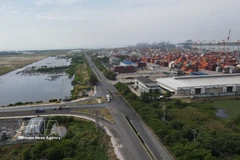
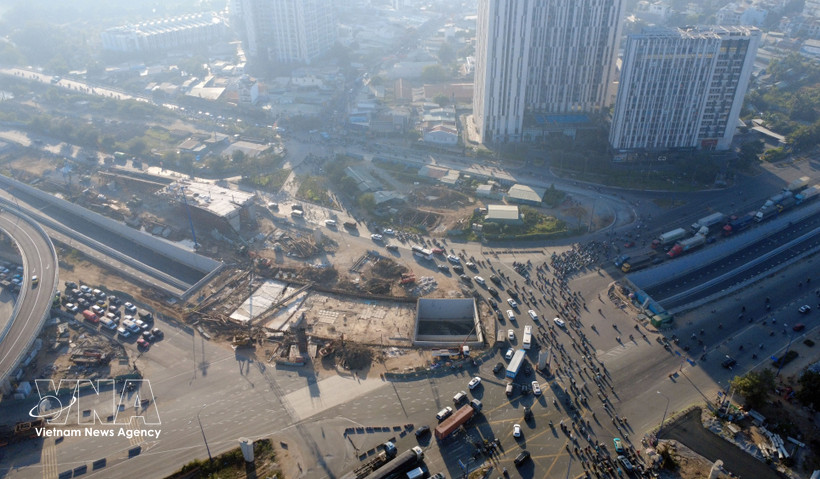
A transport infrastructure project in Ho Chi Minh City (Photo: VNA)

Ho Chi Minh City (VNA) - Ho Chi Minh City’s authorities and businesses operating in the southern metropolis have stepped up strategic orientations and concrete action programmes to translate Resolution No.68-NQ-TW of the Politburo into practice and create conditions for the private sector to make breakthroughs and become a key growth driver.

Resolution No.68-NQ-TW on developing private economic sector for the first time identifies the private sector as the “most important driver” of the national economy. In the country’s largest economic hub, efforts are underway to turn this strategic orientation into practical programmes, reforms and business opportunities.

Home to more than half of Vietnam’s existing enterprises, Ho Chi Minh City plays a pivotal role in realising the resolution’s goals. Soon after the resolution was adopted and the two-tier local administration model came into operation, the municipal authorities moved quickly to roll out concrete measures to implement it.

Under the targets set by the resolution, Vietnam aims to have about two million private enterprises by 2030. Ho Chi Minh City alone expects to host around 750,000 by that time, contributing 55–58% of the city’s gross regional domestic product (GRDP) and 50–55% of total budget revenues, while maintaining average annual growth of 10–12%. By 2045, the number of private enterprises in the city is projected to rise to between 1.05 million and 1.25 million.

These targets were outlined in Decision No. 2205/QD-UBND, which implements the municipal Party Committee’s action programme for carrying out Resolution 68, issued in October last year. The document emphasises the need to build a fair and transparent business environment, protect freedom of business and lawful property rights for enterprises, and treat private sector development as a long-term strategic task.

Accordingly, municipal departments, sectors and localities have been asked to urgently draw up development plans in line with the resolution, aiming to create favourable conditions for businesses to confidently expand investment and production.

Administrative reform has been identified as a key priority. The city targets cutting at least 30% of processing time for administrative procedures and reducing compliance costs by the same margin. Greater application of digital technologies, artificial intelligence (AI) and big data in public administration is also being promoted.

Procedures related to market entry and exit, land, investment, construction, taxation, customs, insurance, intellectual property, standards and regulations are being reviewed to enhance transparency and streamline processes.

Nguyen Van Duoc, Chairman of the municipal People’s Committee, has stressed that while the city has strong potential to attract investment, cumbersome administrative procedures could drive businesses away. The city is therefore pushing to shift from a management-oriented administration to a service-oriented one, urging officials to place businesses and citizens at the centre of public services.

The city continues to propose improvements to national policies on finance, taxation and financial management to facilitate business expansion and encourage the development of a modern, globally integrated enterprise community.

Nguyen Ngoc Hoa, Chairman of the Ho Chi Minh City Union of Business Association (HUBA), said the key to implementing Resolution No. 68-NQ/TW lies in ensuring the private sector has equal access to land, credit, investment opportunities and market information. The municipal authorities have been working to remove major bottlenecks related to land, capital and high-quality human resources while promoting public–private partnerships in infrastructure and technology projects.

The city is also implementing Resolution No. 98/2023/QH15 of the NA on special development mechanisms, including stimulus loans supporting green and digital transformation. Businesses investing in logistics infrastructure may receive interest rate support of up to 50%, helping reduce costs and strengthen competitiveness.

With these efforts, Ho Chi Minh City aims to improve the business environment and enable the private sector to become a stronger driver of sustainable economic growth./.
VNA

See more

Swiss Ambassador to Vietnam Thomas Gass (Photo: VNA)

Swiss ambassador hails Vietnam's 2026 election as milestone

The March 15 election is expected to be an important milestone for Vietnam. It is not only a constitutional exercise but also a means of ensuring that policies adopted at both national and local levels are enforced with a strong focus on citizens’ interests, said Swiss Ambassador to Vietnam Thomas Gass.

President of the Vietnamese Association in Mexico Nguyen Huu Dong (Photo: VNA)

Mexico-based scholar unveils ideas to optimise Vietnamese NA’s efficiency

Talking with Vietnam News Agency correspondents in Mexico City, Dong pointed to important strides in the NA’s outgoing tenure, including improvements to the institutional framework, operating methods and stronger oversight of major national issues. In his view, the NA has increasingly asserted its role as the highest representative body of the people and a central pillar in the process of building a socialist rule-of-law state.

The Cai Mep Ha free trade zone in Ho Chi Minh City currently has four seaports and four inland waterway ports in operation (Photo: VNA)

Strategic infrastructure – key driver for Ho Chi Minh City’s economic growth

Rapid population growth and urban expansion have exposed limitations in Ho Chi Minh City’s infrastructure, particularly traffic congestion at key gateways and in central areas. In response, the city is steeping up investment in major projects to improve connectivity, expand urban space and remove development bottlenecks.

Illustrative image: Authorities strengthen control at the Dinh Ba International Border Gate to prevent illegal entry and exit. (Photo: VNA)

Authorities warn against hiring foreign workers violating immigration rules

Investigations revealed that several foreign nationals had been sponsored by two companies headquartered in Ho Chi Minh City to apply for temporary residence cards under the category of investors. However, the individuals were not genuine investors but had completed procedures through intermediaries in order to remain in Vietnam.

Illustrative image (Photo: VNA)

Hanoi promotes family values to mark International Day of Happiness

The activities will take place from March 15 to 21, with the peak on March 20. The highlight will be a launch ceremony for the 2026 International Day of Happiness, calling on authorities at all levels, organisations and the community to join hands in building safe, equal and progressive family environments, while promoting love, sharing and responsibility among family members.

Delegates and students pose for a commemorative photo. (Photo: baocantho.com.vn)

Four more Can Tho schools earn French education accreditation

The recognition of six schools under the Label FrancEducation programme is expected to create momentum for expanding education cooperation between French and Can Tho institutions, contributing to human resources development and friendship between the two countries.

A seminar at the programme (Photo: VNA)

Event promotes inclusion, empowerment for youth with disabilities

A key feature of the programme will be the dialogue “The Inspirers – Family Support on the Journey of Resilience”, where exemplary families and inspirational figures will share stories of overcoming adversity and spread messages of compassion, understanding and community responsibility in building an inclusive and humane society.

UN Resident Coordinator in Vietnam Pauline Tamesis (Photo: VNA)

South–South cooperation promotes rights, justice for women and girls

UN Resident Coordinator in Vietnam Pauline Tamesis commended Vietnam’s sustained commitment to gender equality, noting advances in budgeting, land use, social insurance and domestic violence prevention under the recent review of the Convention on the Elimination of All Forms of Discrimination against Women (CEDAW).

Party General Secretary To Lam presents Nhan Dan newspaper with the first-class Labour Order on March 11. (Photo: VNA)

Nhan Dan newspaper must act as ideological vanguard, shield, information sensor: Party chief

In a keynote address at a ceremony in Hanoi marking the 75th anniversary of the newspaper’s first issue on March 11, General Secretary Lam highlighted its more than seven decades of evolution while maintaining its role as the Party’s sharp ideological weapon, an effective information and communication channel for Party committees and authorities at all levels, and a trusted platform for Party members and people.

A poster celebrating the Election Day (Photo: VNA)

Final preparations underway for Election Day

In Hanoi, local authorities have increased the dissemination of election-related information through community loudspeaker systems, information boards, official websites and verified social media pages, helping officials, Party members and residents better understand their rights and responsibilities as voters.