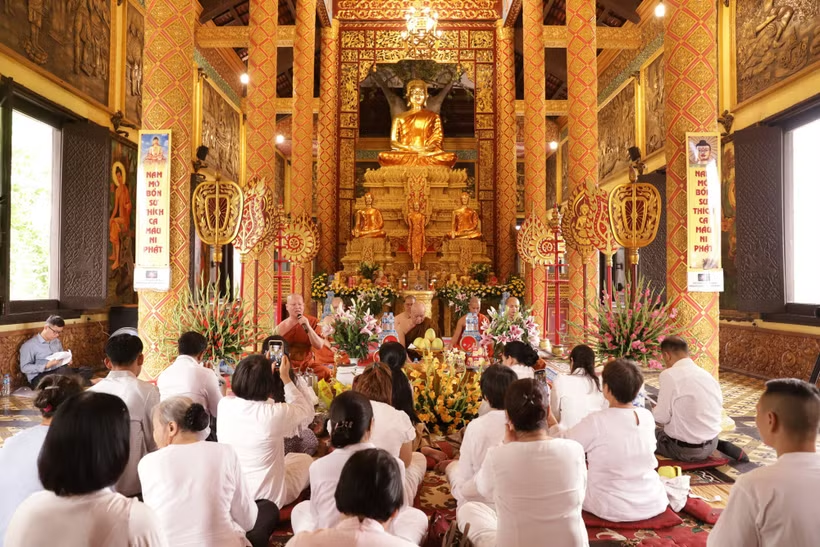
Hano (VNA) – The traditional Chol Chnam Thmay festival of the Khmer ethnic community is being celebrated in a vibrant atmosphere at the Vietnam National Village for Ethnic Culture and Tourism in Hanoi, offering visitors an opportunity to experience the rich cultural heritage of one of Vietnam's largest ethnic minority groups while promoting national solidarity.
Held at Kh'leang Pagoda in the cultural village in Dong Mo, the annual celebration has become a cultural bridge connecting Khmer people living away from their hometown with fellow ethnic communities in the capital. The event is also part of activities commemorating the Vietnam Ethnic Groups' Culture Day on April 19.
Meaning "Entering the New Year", Chol Chnam Thmay is the most important festival of the Khmer people and is traditionally observed in mid-April. The celebration marks the transition from the dry season to the rainy season, signalling the beginning of a new agricultural cycle and reflecting the close relationship between the Khmer culture and the rice-growing civilisation that has shaped much of Vietnam's history.
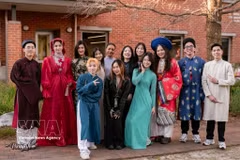
During the festival, the pagoda grounds come alive with devotees and visitors dressed in colourful traditional attire, preparing offerings of flowers, incense, and food with great care and reverence. The festive atmosphere is filled with prayers for favourable weather, abundant harvests, peace, and prosperity in the coming year.
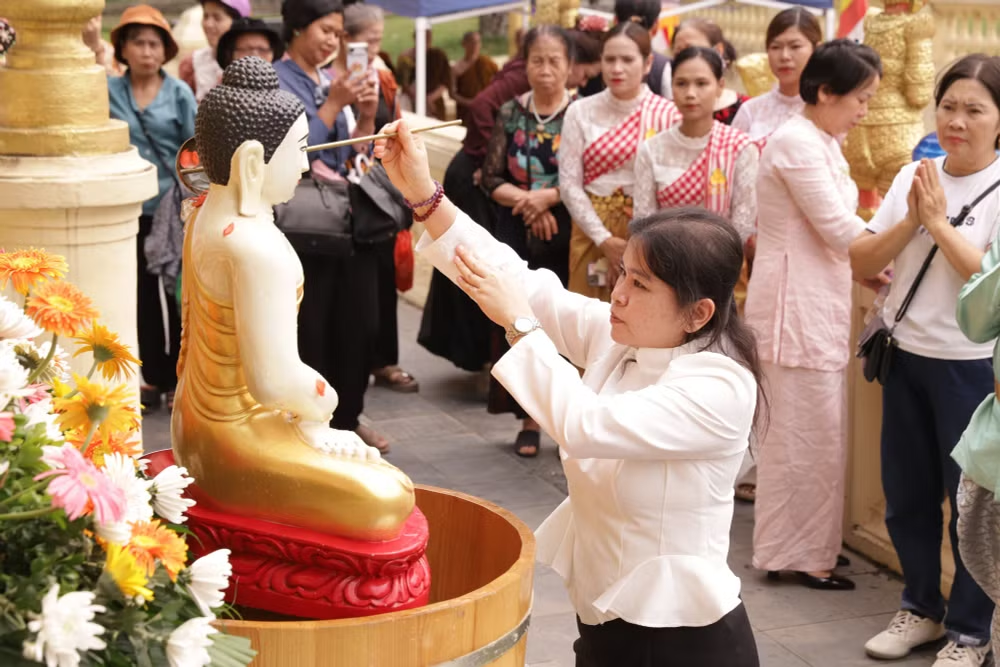
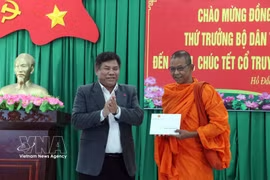
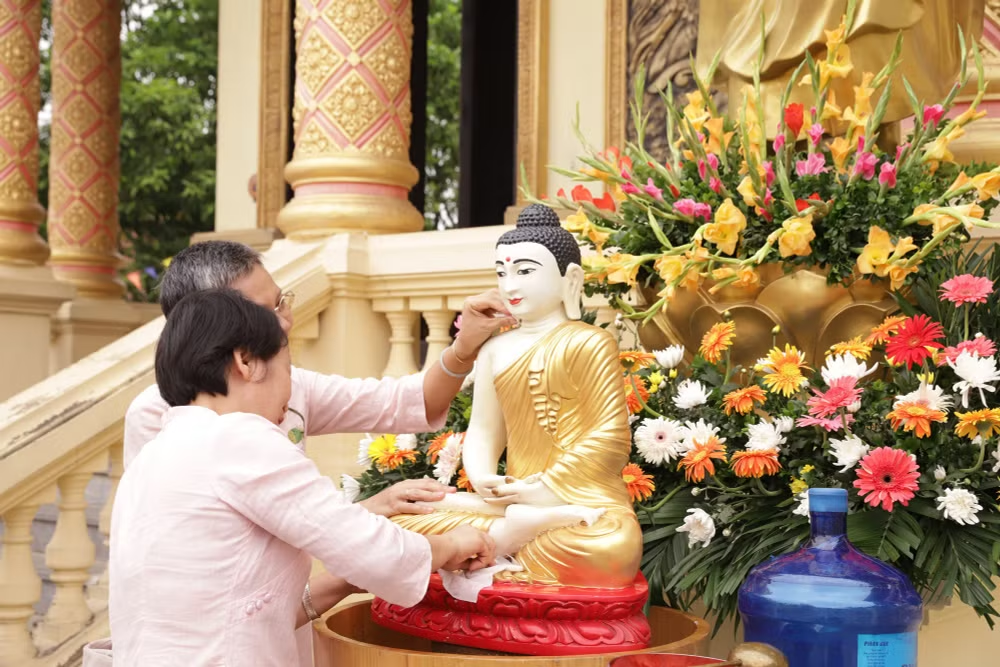
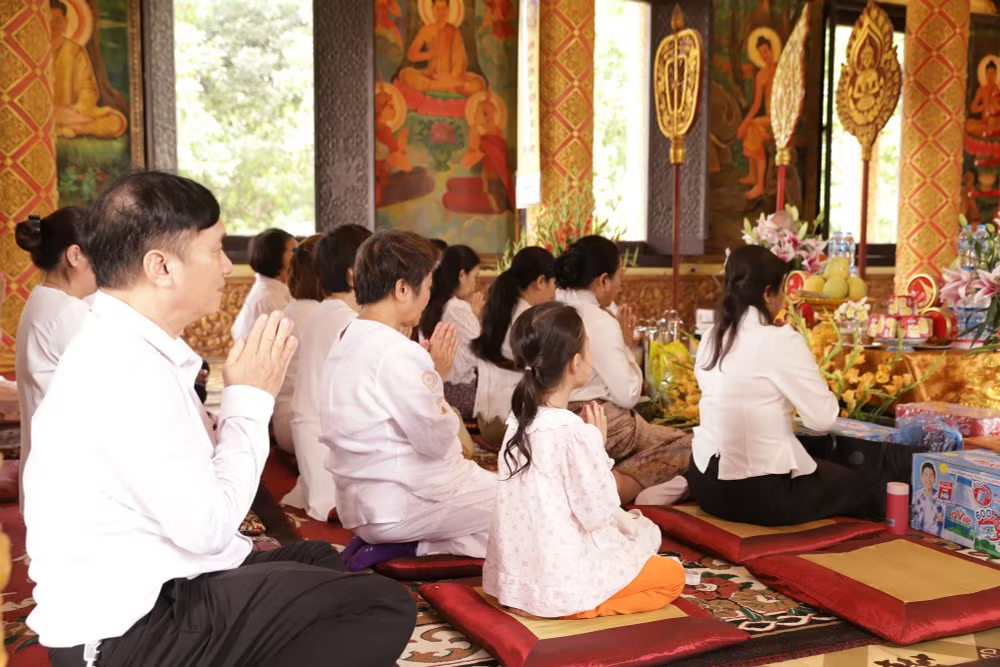
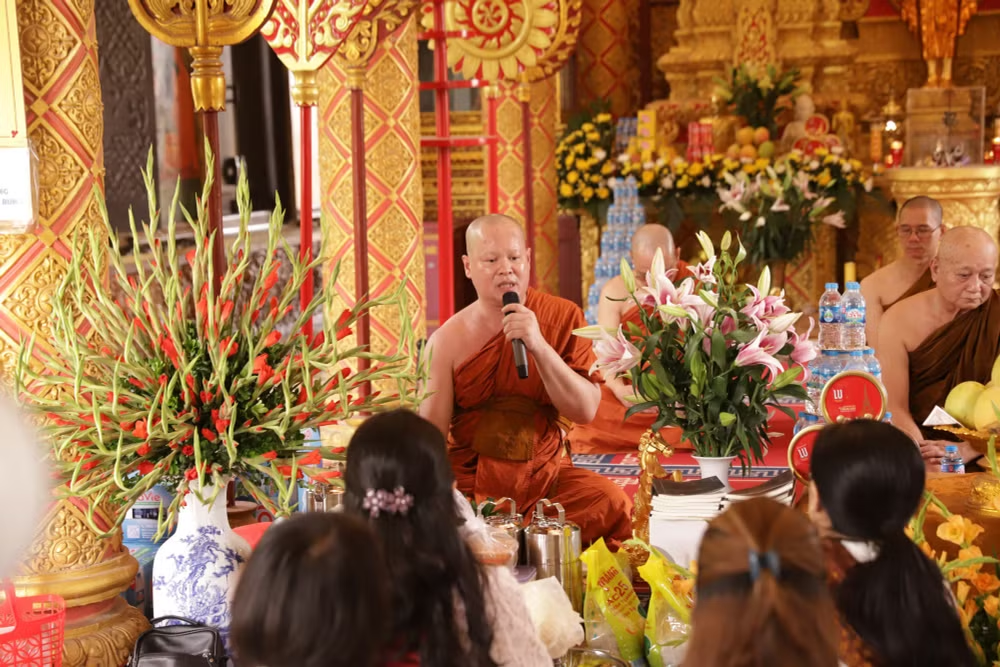
Kim Tue, head monk of Kh'leang Pagoda, said the festival carries profound spiritual significance for the Khmer community. It provides an opportunity for people to accumulate merit through a series of traditional Buddhist rituals, including paying respect to parents and elders, offering alms to monks, praying for deceased relatives, bathing Buddha statues, and building symbolic sand mountains.
The monk noted that these ceremonies reflect the Khmer people's long-standing religious beliefs while encouraging compassion, gratitude, and respect for family values.
Like the Lunar New Year celebration of the Kinh ethnic majority, Chol Chnam Thmay places great emphasis on filial piety. Families gather to honour their ancestors and express appreciation to parents and grandparents, making the festival an important occasion for strengthening family ties and passing cultural traditions from one generation to the next.
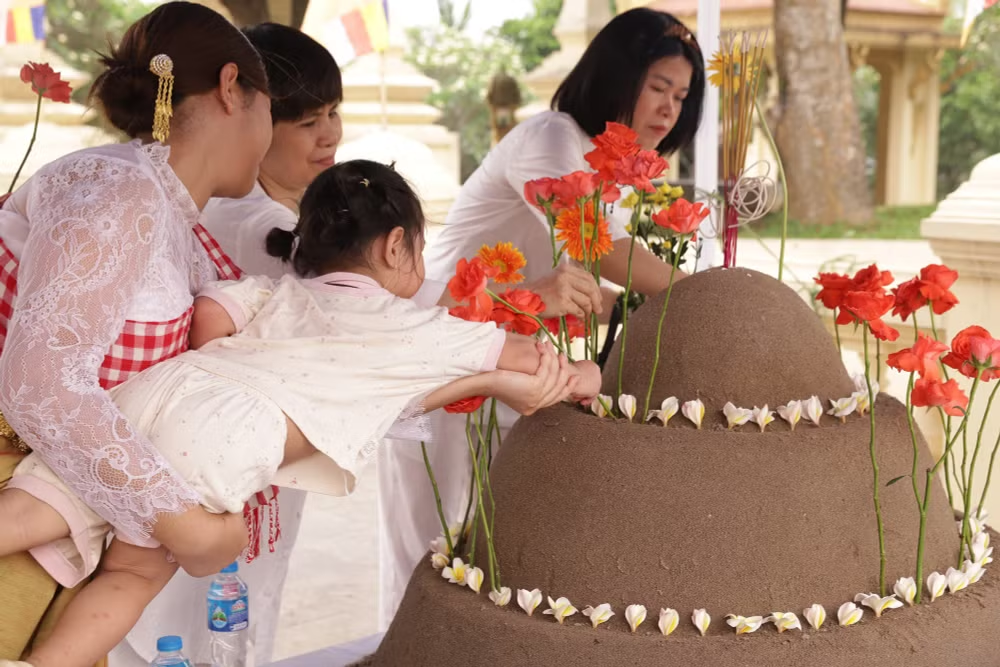
Among the most distinctive rituals is the Anisong Valuk Phnum sand-mountain ceremony, which attracts large numbers of participants each year. Carefully constructed sand mounds symbolise reverence for ancestors and carry wishes for happiness, good fortune, and prosperity for both families and the wider community.
Beyond its religious and cultural significance, the festival has also become a platform for promoting cultural exchange among Vietnam's diverse ethnic groups.
Son Del, a representative of the Khmer community from Can Tho city who has spent the past decade helping introduce Khmer traditions in Hanoi, said he is deeply moved by the festive atmosphere in the capital.
He expressed happiness that Khmer people living far from their homeland have preserved their traditional customs while sharing with visitors and people from different regions of the country. He described the opportunity to celebrate the New Year at Kh'leang Pagoda and introduce Khmer culture to the public as a source of great pride.
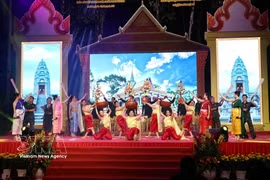
The festival features a variety of traditional performances, including graceful Rom Vong dances and music played on the Khmer pentatonic orchestra. Visitors are invited to join the celebrations, creating a lively atmosphere in which different ethnic communities interact and learn about one another's customs.
Over the years, Chol Chnam Thmay at the Vietnam National Village for Ethnic Culture and Tourism has grown beyond a celebration for the Khmer community. It has become an annual cultural gathering that showcases Vietnam's ethnic diversity while fostering understanding, friendship, and solidarity among different groups.
Through its sacred rituals, colourful performances and community activities, the festival highlights the enduring vitality of Khmer cultural traditions and contributes to preserving Vietnam's multicultural heritage. It also offers domestic and international visitors a deeper appreciation of the country's rich cultural mosaic and the spirit of unity that binds its 54 ethnic groups together./.