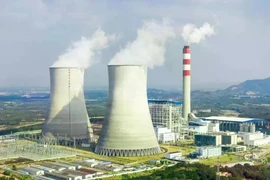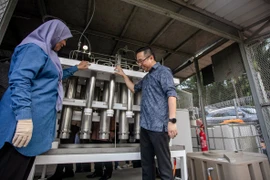
Kuala Lumpur (VNA) – Malaysia’s Minister of Science, Technology and Innovation Chang Lih Kang on August 6 reaffirmed his ministry’s commitment to enhancing cooperation with the Ministry of Energy Transition and Water Transformation (PETRA) in exploring the potential of nuclear energy.
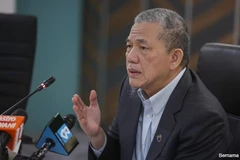
Chang Lih Kang said nuclear energy has long been identified as a strategic area, with the Ministry of Science, Technology and Innovation (MOSTI) playing a key role in advancing related technologies, developing talent, and formulating the regulatory framework.
Discussions between MOSTI and PETRA have been ongoing, but this time, with clear government backing under the 13th Malaysia Plan (13MP), the two ministries are now moving forward in a more comprehensive and structured manner.
Prime Minister Datuk Seri Anwar Ibrahim, in tabling the 13MP on July 31, stated that the government is considering nuclear energy as one of the clean, competitive, and safe energy sources for the future. A structured assessment is currently underway to evaluate its role in Malaysia’s long-term energy mix.
The initiative aims to diversify energy sources, enhance energy security, support national carbon reduction targets, and reduce reliance on fossil fuels, aligning with the country’s climate commitments and rising energy demand.
Deputy Prime Minister and Minister of Energy Transition and Water Transformation Datuk Fadillah Yusof on August 6 said while Malaysia is considering adopting nuclear power as part of its long-term energy generation mix, the final decision on nuclear energy will only be made after 2030.
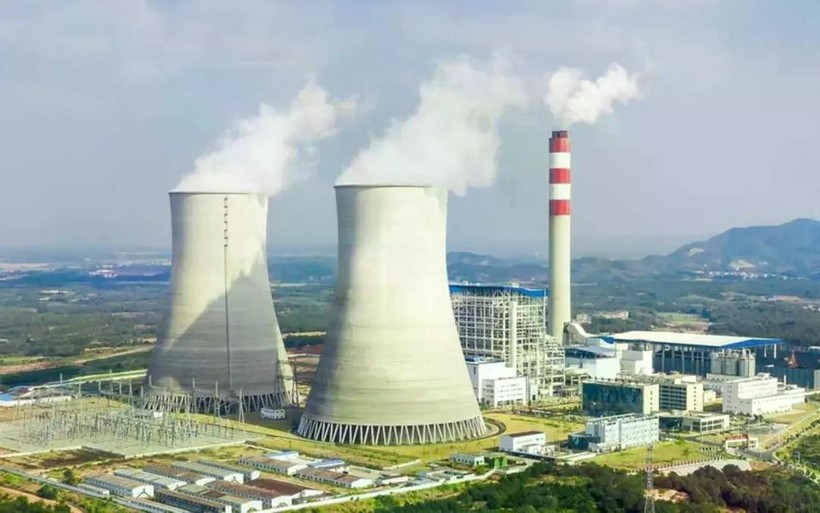
At the moment, the government has not committed to building any nuclear power plants yet. Instead, it had established a dedicated nuclear power organisation. This organisation serves to evaluate the necessary frameworks, which include international treaties, domestic regulations, and human capital requirements.
The decision will only come once the government has studied the entire regulation and technologies involved. Moreover, public acceptance is a crucial factor, as the government can only move forward with nuclear energy if the public approves. The government must also prioritise safety and the environment./.