Malaysia takes proactive steps to address population ageing

Malaysia’s population stood at 34.2 million in 2025 and is projected to rise to 36.4 million by 2030 and 38.3 million by 2035. However, marriage rates have shown a declining trend, falling from 6.6 marriages per 1,000 people in 2022 to 5.7 per 1,000 in 2023. This shift is expected to shorten reproductive periods and further contribute to lower fertility rates.

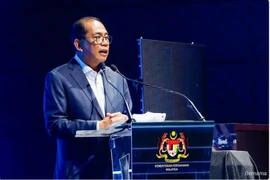
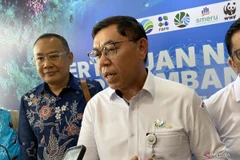
Malaysia's Minister of Economy Akmal Nasrullah Mohd Nasir. (Photo: Bernama)

Kuala Lumpur (VNA) – The Malaysian Government plans to table a White Paper on the National Ageing Blueprint (NAB) 2025–2045 in Parliament later this year as part of efforts to balance demographic changes with sustainable development and prepare the country for becoming an aged nation by 2048.

Speaking at the Malaysian Parliament on January 28, Minister of Economy Akmal Nasrullah Mohd Nasir said the NAB is designed to coordinate strategic adjustments at the federal, ministerial and state levels, while ensuring the engagement and support of all relevant stakeholders. The blueprint identifies five key strategic thrusts, namely macroeconomics and fiscal policy; education; skills and workforce development; lifelong health; and social protection and long-term care.

The minister noted that the primary focus of the NAB has also been translated into specific strategies and initiatives under the 13th Malaysia Plan (13MP) to prepare the country for the challenges of an ageing population. Among the strategies to be implemented are prioritising national productivity and competitiveness, preparing for an aged nation, and labour market reforms, including increasing the participation English type to start searching of older workers, women, and persons with disabilities (PwD).

Mohd Nasir stressed that proactive measures have been adopted in response to projections by the Department of Statistics Malaysia (DOSM), which indicate that the national fertility rate is expected to decline sharply to 0.7 children per woman aged between 15 and 49 by 2050. He warned that the downward trend from 1.6 children per woman in 2024 would directly affect the size of the working-age population and, in turn, Malaysia’s future economic growth potential.

DOSM data shows that Malaysia’s population stood at 34.2 million in 2025 and is projected to rise to 36.4 million by 2030 and 38.3 million by 2035. However, marriage rates have shown a declining trend, falling from 6.6 marriages per 1,000 people in 2022 to 5.7 per 1,000 in 2023. This shift is expected to shorten reproductive periods and further contribute to lower fertility rates.

Against this backdrop, the Malaysian Government considers the formulation of the NAB 2025–2045 a proactive and necessary step to prepare the nation for the realities of an ageing population./.
VNA

See more

ADB approves 149 mln USD for sustainable development projects in Laos

ADB approves 149 mln USD for sustainable development projects in Laos

ADB Country Director for Laos Shanny Campbell stated that the bank is committed to partnering with the Lao government to achieve inclusive growth and sustainable development. The projects will focus on strengthening the food system, primary healthcare, skills training for a green economy, and responsible forest management.

Medical staff work in an isolation ward at a hospital in Kochi, India. (Photo: ANI/VNA)

Philippines alerts public on Nipah virus

The Philippines Department of Health noted that proactive border screening measures continue to be enforced to protect the public from the entry of infectious diseases, including online health declarations before travel, on-arrival thermal scanning, and trained observation of travelers at ports of entry.

Thailand confronts economic headwinds

Thailand confronts economic headwinds

Vinit Visessuvanapoom, Director-General of the Fiscal Policy Office (FPO) and the ministry’s spokesperson, said the country’s GDP growth in the third quarter of 2025 came in at 1.2%, weaker than expected, pulling down the full-year average. The slowdown was attributed to weaker manufacturing output due to refinery maintenance shutdowns.

The head of Indonesia's Marine and Fisheries Human Resources Extension and Development Agency, I Nyoman Radiarta, delivers a statement to the press in Jakarta on January 26, 2026). (Photo: ANTARA)

Indonesia trains coastal communities in Red and White Fishing Villages programme

The Red and White Fishing Village programme aims to empower coastal communities while stimulating local economic growth. In addition to human resources development, the initiative places strong emphasis on infrastructure investment to support daily fishing activities, including the construction of docks, roads, drainage systems and electricity networks.

Vath Chamroeun, secretary-general of the National Olympic Committee of Cambodia and Seng Vannak, Phnom Penh’s Deputy Governor sign the contract to host the 5th Asian Youth Games in 2031 with Timothy Fox, the council’s acting president (Photo: Olympic Cambodia)

Cambodia to host 2031 Asian Youth Games

The National Olympic Committee of Cambodia (NOCC) will get ready to host the Games successfully, he stated, adding that it will be another historic milestone in the development of Cambodia's sports sector.