Hanoi (VNA) – A resolution on the prevention and control of corruption, wastefulness and other negative phenomena in the new period is set to be considered and adopted at the second meeting of the 14th Party Central Committee, highlighting the importance attached to the work by the Party Central Committee and General Secretary To Lam.
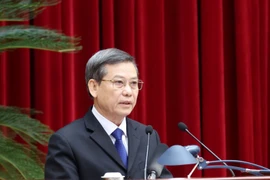
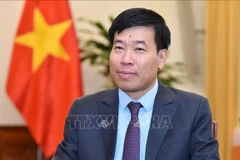
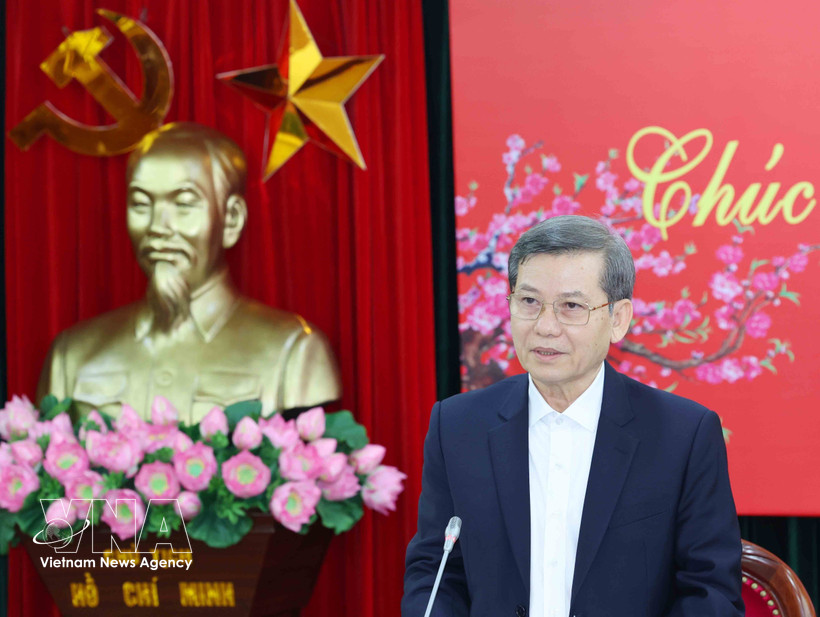
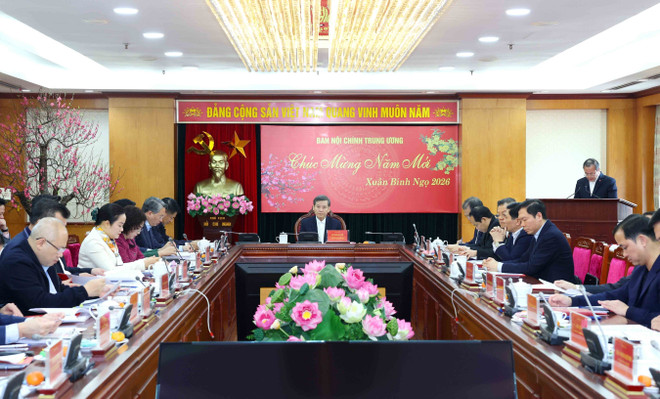
The information was unveiled by Politburo member, Secretary of the Party Central Committee and Chairman of the Party Central Committee’s Commission for Internal Affairs Le Minh Tri on February 12, at a meeting with leaders of central internal affairs bodies and relevant agencies to discuss a project reviewing 20 years of implementing the Resolution of the third meeting of the 10th Party Central Committee on strengthening the Party’s leadership over the fight against corruption and wastefulness.
Tri emphasised that the decision to adopt the resolution at the second meeting demonstrates that this is a particularly important task receiving close attention from the Party Central Committee and the Party chief.
He requested that the new resolution fully institutionalise the viewpoints and orientations set out in the documents of the 14th National Party Congress and the directions of the General Secretary. The prevention and control must continue to be conducted resolutely and persistently, ensuring strong deterrence, while also aligning with socio-economic development goals, creating confidence and motivation for officials, businesses and the public.
The resolution should further perfect institutions and legal frameworks, and concretise new policies and strategic orientations of the Party. At the same time, the focus should shift toward prevention, with renewed management methods, enhanced post-audit mechanisms, reduced pre-approval procedures, and strengthened early-stage supervision.
Tri called for tighter control of power in five areas already regulated by the Politburo, particularly regarding heads of agencies and sectors prone to corruption and wastefulness. Efforts must ensure timely, synchronised, strict yet humane handling of violations, preventing minor infractions from accumulating into major wrongdoings and avoiding the recurrence of past violations.
Inspection, audit, investigation and prosecution activities should concentrate on key and sensitive sectors, as well as emerging areas at high risk of corruption and wastefulness. Strict action must be taken against deliberate violations, masterminds and those acting for personal gain, with no “prohibited zones” or exceptions. At the same time, those who dare to think big, act bold and innovate for the common good must be protected.
The official also stressed the need to intensify anti-corruption efforts at the grassroots level, including tackling petty corruption, improving services to people and businesses, and enhancing coordination among competent agencies to meet new requirements, both strengthening deterrence and supporting socio-economic development./.