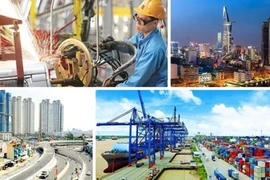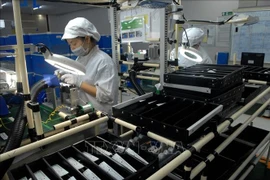
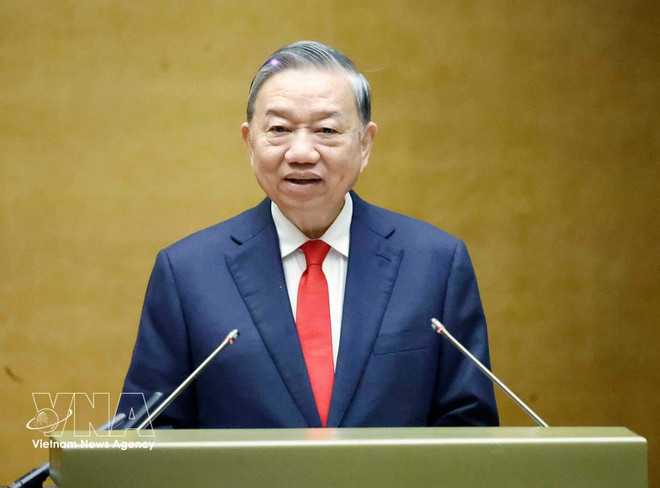
Hanoi (VNA) – The Politburo’s Resolution 79-NQ/TW on developing the state-run economic sector and Resolution 80-NQ/TW on advancing Vietnamese culture aim to reinforce material and spiritual internal capacity, affirming the resolve to build an independent, self-reliant, dynamic, and efficient economy deeply integrated into global markets while building an advanced Vietnamese culture rich in national identity, said Party General Secretary To Lam.
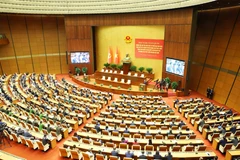
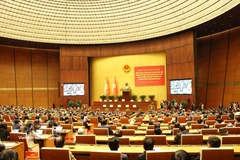
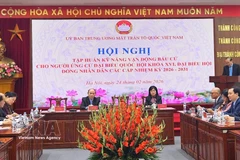
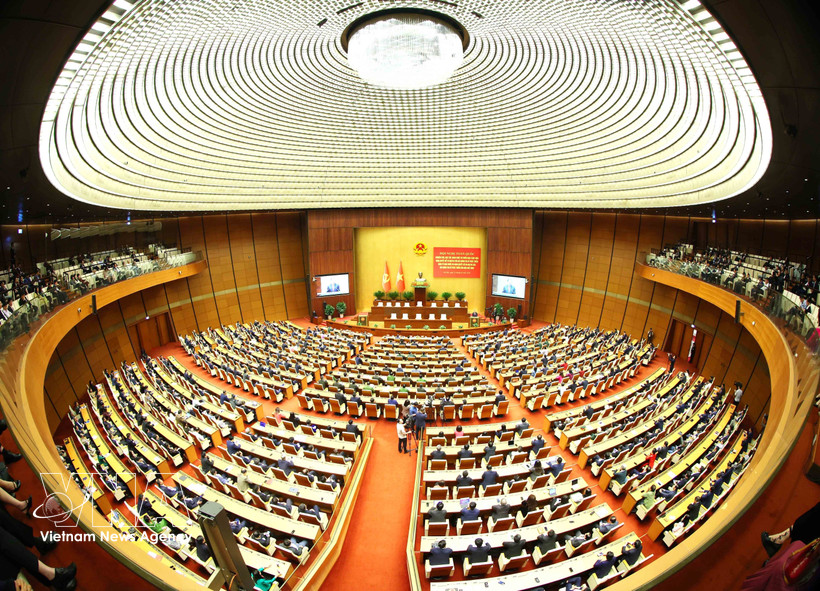
The Party chief made the statement during a national conference convened by the Party Central Committee’s Secretariat in Hanoi on February 25 to disseminate the two resolutions.
The hybrid gathering connected to 27,284 sites across central agencies, cities, provinces, communes, wards, special zones, and Party organisations within the armed forces and enterprises, with more than two million delegates in attendance. It was also broadcast live on the Vietnam Television’s VTV1 channel, the Voice of Vietnam’s VOV1 and VOV Traffic channels, and various digital platforms.
State sector must become “national pillar” in new era
In his keynote address, General Secretary Lam described the two new resolutions as key additions to the Party’s major policy decisions, grounded in thorough reviews of practice and theory as Vietnam enters a new development phase.
Citing the tasks and solutions in the documents, he stressed that the state sector must truly occupy the “strategic commanding heights” of the national economy, exercise leadership, and serve as the “national mainstay” in the new era.
It needs to deliver breakthrough contributions to national self-reliance, ensure stability, and enable swift intervention against systemic risks, he said, outlining five core roles of the sector.
First, it must control and master strategic “lifelines” and backbone industries, from energy and critical infrastructure to finance, credit, logistics, data, and essential digital platforms. The goal is not monopoly but safeguarding sovereignty, reducing dependence on external sources, boosting resilience to shocks, protecting national interests under all conditions, and creating spillover effects for the wider economy.
Second, the sector must act as a pillar for regulation, stabilisation and resilience. Facing overlapping crises like supply chain disruptions, interest- and exchange-rate volatility, trade tensions, natural disasters and pandemics, it should stabilise key markets, secure essential public services, sustain foundational investment and maintain buffers to respond rapidly to systematic risks.
Third, a robust state sector should not crowd out the private sector but serve as a platform, pathfinder and catalyst helping private firms integrate deeper into value chains, develop supporting industries and raise localisation rates. This would nurture industry clusters anchored by globally and regionally competitive leading enterprises.
Fourth, he said leadership today must be judged not just by size but by the mastery of advanced technologies, alignment with international standards, treatment of data as a strategic asset, protection of cybersecurity, and modern risk governance.
Fifth, state-owned enterprises must exemplify the highest level of discipline, transparency, and accountability. They should set national governance standards and cultivate a contingent of managers who combine competitive edge with a spirit of public service. Practices such as “vested interests”, “cronyism”, short-term tenure-driven investments or persistent losses without accountability can no longer be tolerated.
These five roles must be translated into concrete action plans with defined goals, measurable indicators, clear timelines, strong supervision and enforceable mechanisms.
Fostering national mettle, discipline, public trust, and internal strength
The General Secretary stressed that the principle “Culture must light the way for the nation” underscores a people-centred culture as the spiritual bedrock, endogenous strength, and embodiment of Vietnamese brainpower, propelling national development toward independence, self-reliance and self-strengthening.
He pointed out that the greatest challenge facing culture today is not merely a lack of resources, but the risk of erosion in value system, deviations in behavioural standards, growing pragmatism, verbal violence, fake news and misinformation, and the intrusion of harmful elements in cyberspace. Without timely cultural revitalisation, rapid near-term growth risks lacking a durable long-term base.
The leader called for five priority tasks. First, it is essential to spread the national value system, cultural values, and behavioural standards for Vietnamese people in the new era.
He urged treating the creation of a healthy cultural environment as foundational task and placing education and human development at the core of cultural revitalisation. At the same time, efforts should be made to develop cultural industries so that culture becomes not only a spiritual foundation but also an economic driver and a source of national soft power, while embedding culture within the political system to build social trust.
General Secretary Lam said Resolutions No. 79 and 80 are not only two parallel groups of tasks but also a unified and complementary development structure, emphasising resolution implementation as the most important to contribute to the country's fast and sustainable development, independence, self-reliance, and self-strengthening in the new era.
Politburo member, Secretary of the Party Central Committee, and Chairman of its Commission for Information, Education and Mass Mobilisation Trinh Van Quyet called on Party committees and organisations at all levels to promptly translate the General Secretary 's guidance into action plans aligned with the commission's instructions.
They should continue to study, disseminate, and follow the two resolutions through concrete, assigned-responsibility plans that are decisive, coordinated, innovative and effective. Weekly reports on the progress should be submitted to the Politburo via the commission. Nationwide dissemination and implementation must be completed by the end of March as guided by the commission, he added./.