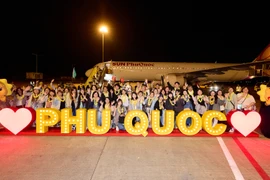
Hanoi (VNA) - According to the hospitality industry report, Phu Quoc has emerged as a new bright spot in Asia, posting rapid growth in visitor numbers and occupancy rates, and is expected to surpass established destinations such as Bali and Phuket in the first two months of 2026.
Room occupancy exceeds 90%
According to the latest report by STR, a global hospitality data and analytics provider under CoStar Group, room occupancy in Phu Quoc reached over 90% in January–February. This makes it the fastest-recovering destination among regional resort markets, compared to just 50% in the same period of 2024. Notably, Phu Quoc’s occupancy rate has surpassed that of established resort hubs such as Bali (60%) and Phuket (over 80%).
Domestically, Phu Quoc’s growth momentum stands out even more when compared with major markets such as Da Nang and the Nha Trang - Cam Ranh area. Da Nang has maintained steady growth with an occupancy rate of around 70%, supported by a strong base of international visitors and the upscale segment. Meanwhile, Nha Trang and Cam Ranh have recorded a significant rebound, with occupancy rising from below 50% to over 60% in 2026.
Notably, the report highlights that revenue per available room (RevPAR) in Phu Quoc has surged from below 50 USD in 2024 to around 160-170 USD in 2026. The gap between Phuket and Phu Quoc is narrowing rapidly, underscoring the island’s transformation from competing primarily on price to enhancing profitability through diversified segments, cost optimisation and improved management.

This trend suggests that as traditional source markets gradually return to stability and post-pandemic travel demand shifts toward emerging destinations, Phu Quoc is entering a new phase of growth. The island still holds significant upside potential, driven by differentiated experiences, particularly its night-time economy and a continuously expanding large-scale entertainment ecosystem.
Premium experiences and shows: “A tourist magnet”
One of the key drivers behind Phu Quoc’s distinct momentum is the emergence of iconic tourism products, particularly in the island’s southern area, where tens of trillions of dong have been invested in large-scale entertainment developments.
For the first time in Vietnam, a coastal destination now hosts two large-scale shows featuring nightly fireworks displays, turning the sky and sea into part of the stage. Productions such as Kiss of the Sea and Symphony of the Sea not only extend visitors’ length of stay but also create compelling reasons for repeat visits, an essential factor in sustaining high occupancy rates.
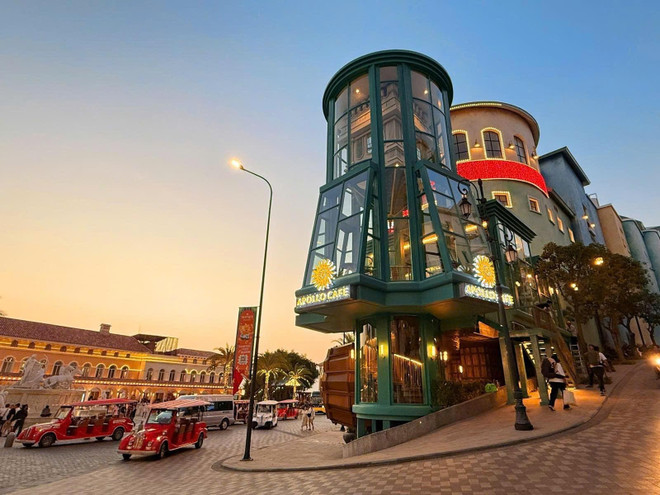
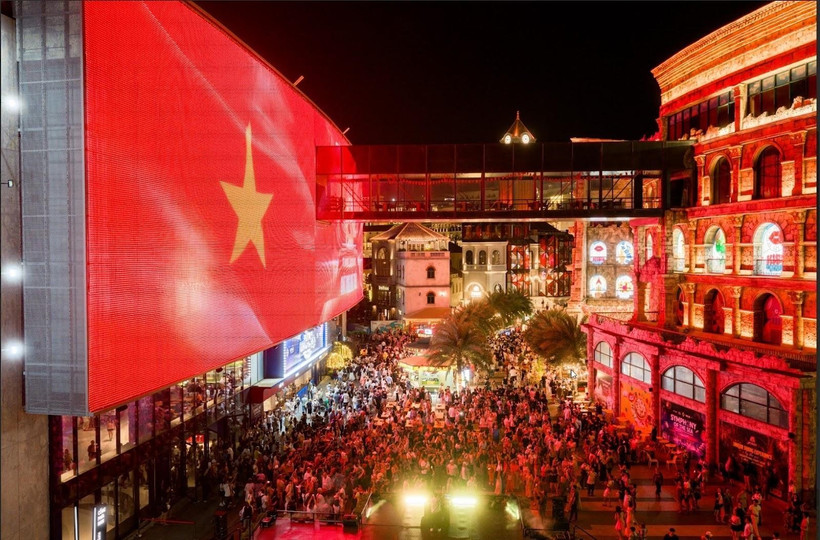
In particular, while tourism in Phu Quoc was once known for its early nights, Sunset Town is now redefining the island’s nightlife rhythm. Visitors can enjoy a seamless journey, from watching the sunset on an iconic bridge to exploring vibrant night streets lined with restaurants, culminating in fireworks displays. This shift has played a key role in boosting occupancy rates, especially in the southern resort segment of the island.
Beyond recovery: Redefining the game
The STR/CoStar Group report also points to a notable trend: Vietnam’s resort destinations such as Phu Quoc are gradually reshaping the competitive landscape in the region. Compared with Bali and Phuket, Phu Quoc is no longer competing solely on natural scenery, but increasingly on operational efficiency, cost management and the pace of product innovation.
While Bali has entered a phase of experiential saturation and Phuket faces pressure from abundant supply, Phu Quoc is hitting a “sweet spot”, where new supply remains controlled while tourism products are continuously refreshed, creating strong appeal for both international and domestic travellers.
Phu Quoc’s growth momentum is expected to be further reinforced in the coming years, particularly as the island becomes a focal point in preparations for APEC 2027.
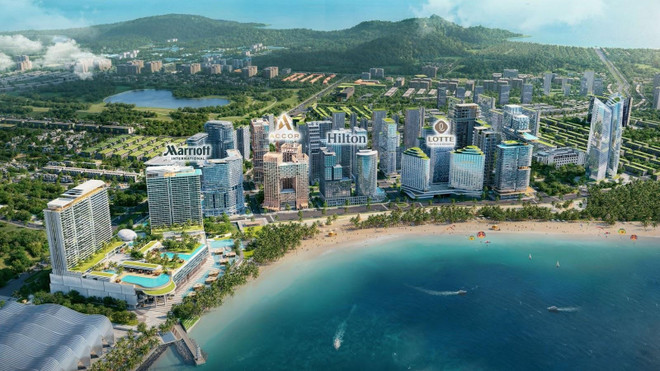
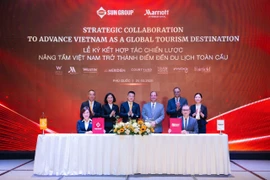
Alongside investments in air, sea and land transport infrastructure, as well as conference facilities, Sun Group is developing a large-scale “hotel city” at Bai Dat Do (Ruby Beach). With the entry of 13 leading global hotel brands, the project is set not only to expand high-end accommodation supply but also to establish a new hub for MICE tourism and luxury resort travel.
At the same time, the arrival of the international brand Rixos on Hon Thom this year is set to mark a major step forward in elevating service standards, bringing Phu Quoc closer to the ranks of the world’s leading resort destinations. These developments not only address supply constraints but also create “new reasons to visit”, a key factor in sustaining long-term growth.
If Phu Quoc was once seen as a “rising star,” the combination of strong occupancy growth, continuous innovation in experiences and large-scale infrastructure investment is now helping the island carve out a distinct position, emerging as a formidable rival even to long-established destinations such as Phuket and Bali./.