Hanoi (VNA) – The Government aims to ensure that 100% of poor communes nationwide escape from poverty by 2030 while maintaining an annual reduction of 1–1.5% in the national multidimensional poverty rate.
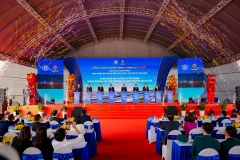
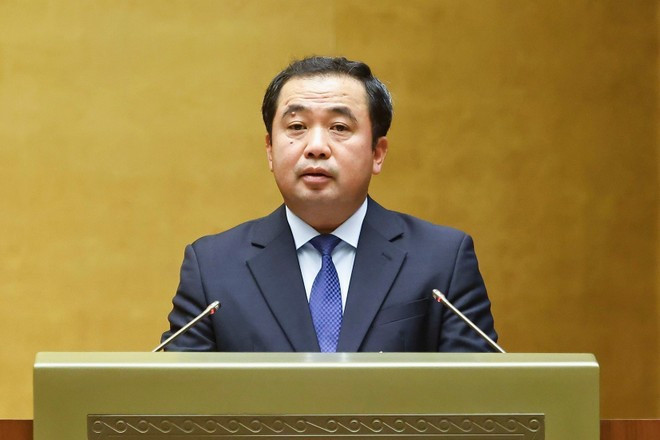
The target was outlined in the proposal on investment policy for the national target programme on new-style rural area development, sustainable poverty reduction, and socio-economic development in ethnic minority and mountainous areas for the 2026–2035 period. The proposal was presented by Minister of Agriculture and Environment Tran Duc Thang at the 10th session of the 15th National Assembly on December 3.
The programme will merge three existing national target programmes – new-style rural area development, sustainable poverty reduction, and socio-economic development in ethnic minority and mountainous areas. It will be implemented over 10 years, from 2026 to 2035, in two phases of 2026–2030 and 2031–2035.
By 2030, the Government targets an average rural income increase of 2.5–3 times compared with 2020, with income among ethnic minority people reaching at least two-thirds of the national average.
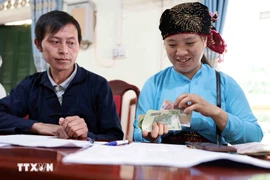
The national multidimensional poverty rate is expected to fall by 1–1.5% annually, while the rate in ethnic minority and mountainous areas is hoped to drop to below 10%. In impoverished communes, the poverty rate is set to decline by at least 3% each year.
The programme also aims to ensure that all poor communes nationwide will escape from poverty by 2030, and ethnic minority and mountainous areas will basically no longer have extremely disadvantaged communes or hamlets.
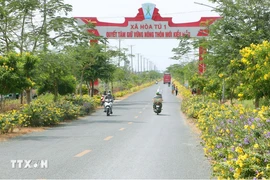
It targets that around 65% of communes nationwide will meet new-style countryside standards by 2030, including 10% recognised as modern new-style rural communes under a pilot framework issued by central authorities and provincial-level criteria.
In addition, more than 85% of communes and hamlets in ethnic minority and mountainous areas are expected to have essential infrastructure for socio-economic development and people’s life.
Key national sustainable development goals by 2030 will be largely fulfilled, including resident resettlement where necessary, adequate essential infrastructure, standardised educational facilities, and universal health insurance coverage with access to basic healthcare services for ethnic minority people and the poor.
By 2035, the programme targets a continued annual reduction of 1–1.5% in the multidimensional poverty rate under the 2031–2035 poverty line, a cut of at least 50% in the number of disadvantaged communes and hamlets in ethnic minority and mountainous areas, and 4–5 provinces/cities in these regions eliminating such disadvantaged areas entirely.
The Government plans to have about 10–12 provinces/cities completing new-style rural area development tasks, with 4–5 achieving the modern new-style rural area status. Rural per capita income is hoped to rise at least 1.6 times compared with 2030 levels, while income among ethnic minority people will reach two-thirds of the national average.
Lam Van Man, Chairman of the National Assembly’s Council for Ethnic Affairs, said the programme’s objectives are comprehensive and based on the achievements gained during the previous phases, but called for further review to avoid overlaps and ensure feasibility, with clear priority for disadvantaged and ethnic minority areas to narrow development gaps among regions.
The Government also proposed extending the implementation and disbursement of 2025 funding for the existing national target programmes until December 31, 2026, and allowing local authorities to reallocate budgets from the component projects no longer eligible for support to other tasks within the extended programmes./.