Hanoi (VNA) – The Foreign Investment Agency under the Ministry of Finance has laid out a package of solutions to attract foreign direct investment (FDI), seeking to clear bottlenecks in regulations, infrastructure, labour and business support as the economy faces a volatile global environment.
Comprehensive institutional reform
Overhauling the investment legal framework to make it more consistent, transparent, stable and predictable is the top priority, the ministry said.
Competition for FDI within the Association of Southeast Asian Nations (ASEAN) is intensifying, while the global minimum tax is reshaping the traditional incentive toolkit. Against that backdrop, authorities plan to move away from tax incentives and toward support tied to actual costs, such as infrastructure, workforce, research and development (R&D), and innovation.
The Government will speed up changes to land, investment, construction and environmental procedures, aiming to better connect them and cut processing time. The changes will focus on projects in high-tech industries, semiconductors, energy and data centres. Work-permit and visa procedures for foreign experts will also be streamlined to meet the needs of large FDI projects. Meanwhile, closer coordination among ministries, agencies and localities is meant to ensure consistent policy enforcement and minimise overlaps and discrepancies in how regulations are applied.
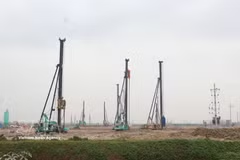
Strategic infrastructure, particularly transport, energy and logistics links tied to key economic and industrial corridors, will keep receiving priority investment. The emphasis will be on speeding up construction of inter-regional expressways, deep-water seaports, airports and logistics hubs to lower transport costs and improve supply chain connectivity. Integrated industrial-urban-logistics clusters in the northern, central and southern economic regions are intended to create concentrated hubs capable of drawing large-scale FDI.
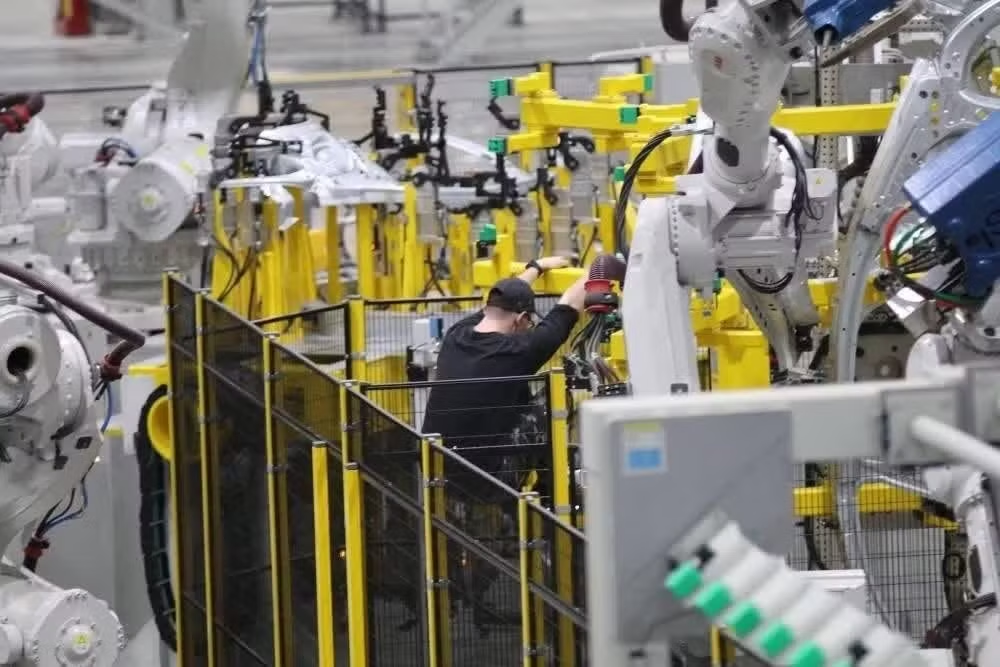
Regarding energy, the ministry said the core requirement is stable, long-term power supply for hi-tech industries, data centres and chip manufacturing. The push into renewables will be tied to multinational corporations' green transition requirements, in line with the global shift toward sustainable investment.
Tying foreign firms to local enterprises
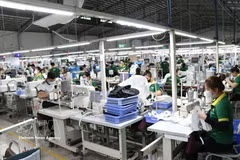
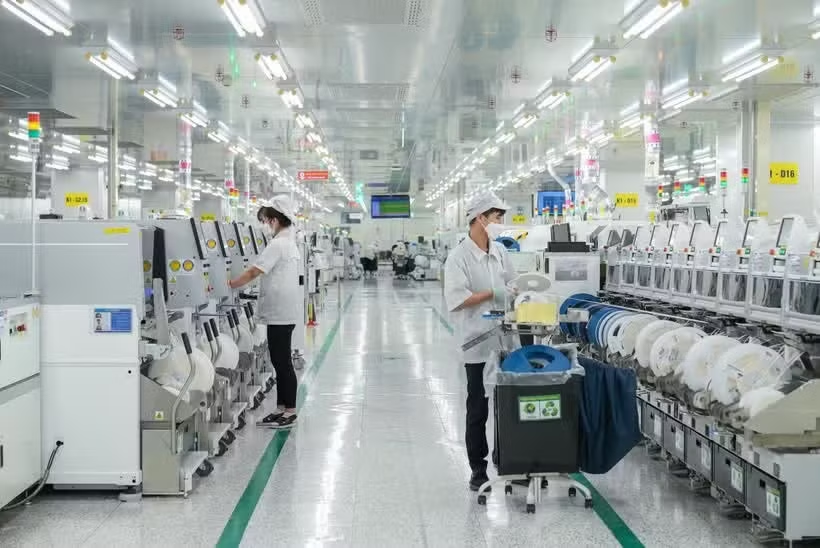
Relating to workforce, the ministry proposed closer links between training establishments and foreign-invested companies, along with demand-driven courses in semiconductors, information technology, electronics and artificial intelligence. Reskilling and upskilling of the existing workforce will also be stepped up to keep pace with a rapid shift to hi-tech production.
Simpler work-permit and visa procedures are meant to make it easier to attract and employ foreign experts and facilitate the mobility of highly skilled workers. On support measures, investment promotion will continue to be retooled with a targeted approach, focusing on major technology corporations, high-value-added projects and those with strong spillover effects. Stronger ties between the FDI sector and domestic enterprises are expected to raise localisation rates and allow Vietnamese firms to take a deeper part in global value chains.
The Politburo set the direction for the FDI sector in Resolution 10-NQ/TW, dated June 8, 2026. The resolution calls for developing the sector in a quality, efficient, and sustainable manner while fostering links with local companies, accelerating technology transfer, building up the workforce and raising localisation rates.
It also urges authorities to require foreign-invested enterprises to commit to technology, R&D, technology transfer, training of Vietnamese workers, domestic value-added rates, development of local suppliers, green transition and digital transformation to qualify for performance-based incentives.
To put that direction into practice, the ministry on July 15 submitted a proposal to the Government to draft a resolution issuing an action plan to realise Resolution 10-NQ/TW. The proposal tasks relevant ministries and agencies with studying specific mechanisms and policies, including those to hasten technology transfer, boost spillover effects and foster links with the domestic economy; support the development of a quality workforce; and attract investment in R&D, operating and innovation centres. It also calls for incentives for strategic investors and core industries and sectors prioritised for investment attraction./.