Hanoi (VNA) – Despite global uncertainty in 2025 and significant administrative restructuring across provinces and sectors, Vietnam’s tourism industry maintained its strong momentum, recording the world’s highest growth rate of 21% and gaining recognition from prestigious international organisations.
Building on those achievements, tourism authorities have pledged to remove existing bottlenecks and promote sustainable green tourism, supported by digital technology, in 2026.

In an interview granted to VietnamPlus, Director of the Vietnam National Authority of Tourism (VNAT) Nguyen Trung Khanh shared insights into the sector’s development orientation in the coming period.
Vietnam’s tourism affirms foothold in global tourism landscape
– In 2025 witnessed many changes, including the merger of provinces and administrative agencies and the appointment of new personnel. After a period of operation, has the tourism sector of localities encountered any difficulties? How do you assess the performance of the new administrative apparatus?
Director Nguyen Trung Khanh: The merger of provinces and cities is a major policy of the Party and State, reflecting the determination to streamline the administrative apparatus, improve governance capacity, and form larger administrative units with stronger capabilities for socio-economic development, supporting the building of a modern and powerful nation in the future.
In the tourism sector, local management agencies have been reorganised in line with the new administrative boundaries. Provinces and cities have established departments of culture, sports and tourism or departments of tourism through the consolidation and restructuring of tourism management bodies of former localities.
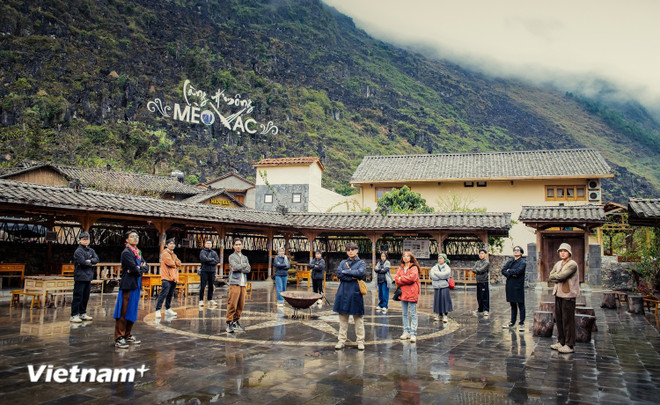
Currently, five localities have independent departments of tourism, namely Hanoi, Ninh Binh, Hue, Ho Chi Minh City, and An Giang, while 29 others operate departments of culture, sports and tourism.
Organisational restructuring, changes in geographical boundaries, and new working environments may have certain impacts on personnel involved in tourism management. However, the Government, the Ministry of Culture, Sports and Tourism, and local authorities have introduced supportive policies regarding travel, housing, allowances, and training to help staff quickly adapt to new conditions and ensure efficient operations after the restructuring.
– Vietnam recorded nearly 21% growth in international tourist arrivals, among the highest globally as assessed by UN Tourism, alongside Japan. How do you assess this impressive figure, and what are the expectations for 2026?
Director Nguyen Trung Khanh: Vietnam, together with Japan, led the world in international tourist growth in the first half of 2025, with a 21% increase compared to the same period of 2024. The country welcomed around 10.66 million foreign visitors in the first six months of the year, up 20.7% year-on-year and even 26% higher than the pre-pandemic level in 2019. This is not merely a statistical figure, but clear evidence of Vietnamese tourism’s growing attractiveness.


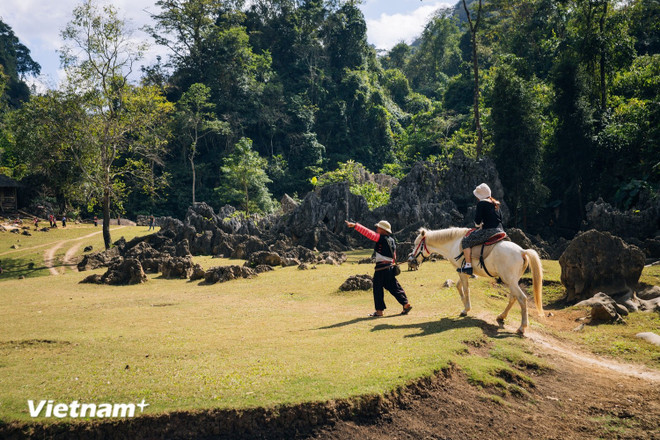
In a global context still marked by uncertainties, political instability, high inflation in transport and accommodation services, and uneven recovery among regions – with Asia-Pacific reaching only about 87–92% of its 2019 level, Vietnam’s 21% growth reflects strong resilience and recovery capacity, contributes significantly to socio-economic development and affirms the country’s competitiveness in the world.
Particularly, the 21% figure is not only a source of pride but also an impetus for the entire sector to make greater efforts, bringing tangible benefits to people and the country.
However, challenges still exist around the globe such as climate change, fierce competition, and increasing demand for sustainable tourism. Therefore, the VNAT will focus on developing green tourism, improving service quality, enhancing human resources training, and expanding promotion in new markets to maintain growth momentum, targeting 25 million international visitors in 2026.
Strategic roadmap for the tourism sector
– Despite the proud achievements of Vietnam’s tourism industry, one long-standing limitation remains the relatively modest recognition of the national tourism brand. How will the sector tackle this issue in the coming time?
Director Nguyen Trung Khanh: Vietnam’s tourism industry is focusing on in-depth development – quality, professionalism, sustainability, and brand building. It is also implementing the concrete tasks and measures set in Government Resolution No. 82/NQ-CP and Directive No. 08/CT-TTg to promote tourism development in the new context.
The sector will reform tourism promotion methods while proposing mechanisms and policies that facilitate tourism activities. At the same time, it will prioritise measures for leveraging Vietnam’s advantages and boosting the sector’s contribution to national socio-economic development in the new period.
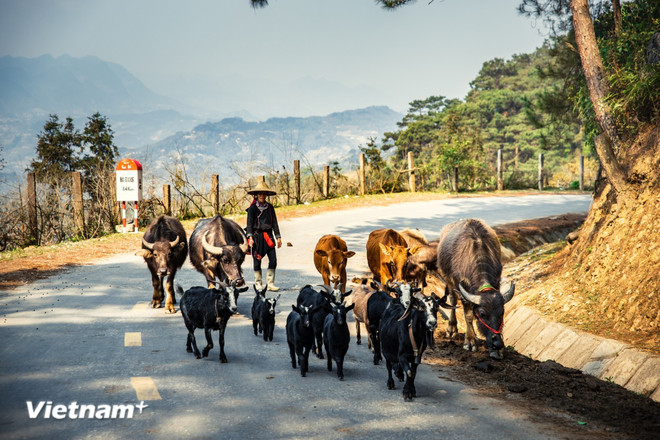
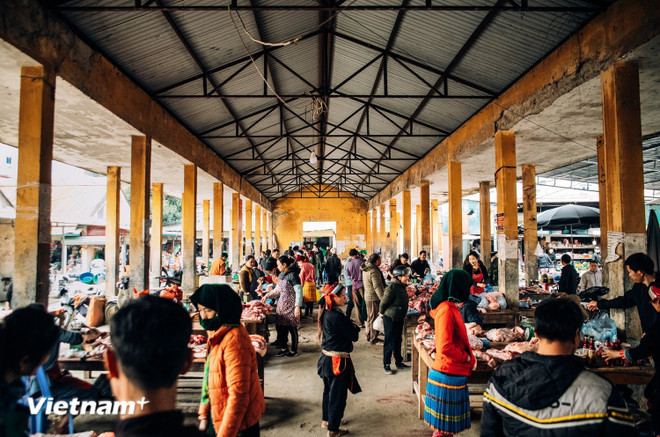

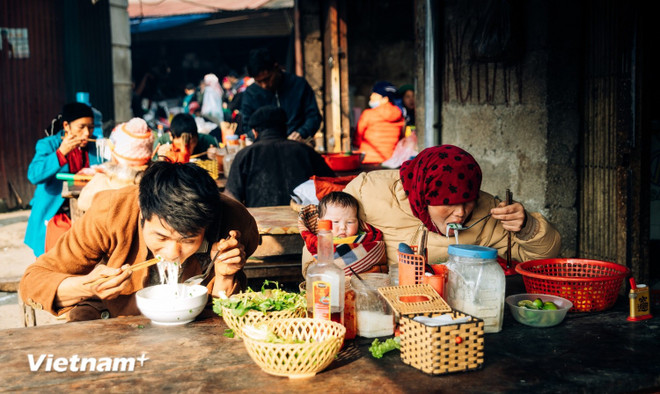
To develop green and sustainable tourism, human resources and technology are crucial factors. Tourism personnel must receive more systematic training in foreign languages, communication skills, and professional expertise to meet international standards. Meanwhile, greater attention should be paid to applying technology to enhance tourism value as technological advancements are reshaping how travellers access and experience services.
Vietnam is widely recognised for its abundant tourism resources, including beautiful natural landscapes, historical sites, rich cultural traditions, friendly people and, especially, numerous heritage sites recognised by the United Nations Educational, Scientific and Cultural Organisation (UNESCO).
Vietnamese travel firms will continue researching and developing distinctive tourism products that highlight destination value and introduce them to international visitors, thereby promoting the country’s image and enhancing the competitiveness of Vietnam’s tourism sector in the region and the world.
– Government Resolution No. 226/NQ-CP, dated August 5, 2025, sets a target of welcoming at least 25 million international tourists and 150 million domestic visitors in 2025, which the sector failed to achieve. What long-term strategy has been developed to realise the goal of making tourism a spearhead economic sector?
Director Nguyen Trung Khanh: The targets set in Resolution No. 226/NQ-CP posed a major challenge to the tourism sector.
Vietnam’s tourism industry does not pursue short-term goals. It is implementing a long-term and systematic strategy in line with Politburo Resolution No. 08-NQ/TW and the Vietnam Tourism Development Strategy to 2030. The focus is on promoting comprehensive reform, enhancing competitiveness, stepping up international integration, boosting technology application, and achieving sustainable development to turn tourism into a truly spearhead economic sector.
To this end, the tourism sector is focusing on nine groups of strategic measures. The first is raising social awareness and sense of responsibility towards tourism development. Tourism is an integrated service-based economic sector with strong spillover effects on many other industries. Therefore, changing mindset and promoting civilised behaviour among communities, businesses and residents is seen as a key requirement. This will help build the image of a friendly destination, improve visitor satisfaction and encourage longer stays.
Another solution is improving regulations and policies to support businesses. The legal framework will be reviewed, and preferential policies on land, taxation and credit accelerated. Public – private partnership models will be expanded while enterprises will receive support relating to digital transformation and innovative operations. The sector will also advise the Government on visa policy reform, expansion of air routes and management of emerging business models.
Sufficient capital should be poured into tourism infrastructure. It is essential to coordinate efforts to accelerate investment in transport infrastructure, including airports, seaports, railways and tourist wharves. Smart tourism systems and destination data platforms should be developed. In addition, more private investments should be attracted to resorts, convention centres, shopping complexes and modern entertainment facilities.
Developing high-quality human resources is a must. Efforts will focus on building a skilled tourism workforce and professional management teams, improving foreign language proficiency and service skills, and upgrading training institutions in key regions. Occupational standards will also be aligned with international practices.
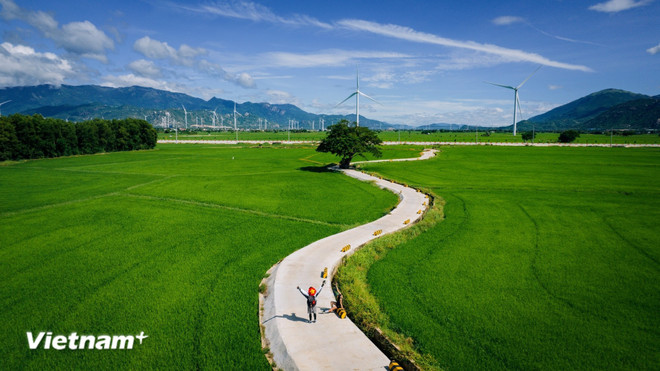
It is necessary to diversify source markets. Vietnam aims to attract more visitors from high-spending international markets such as Northeast Asia, North America, Western Europe and Australia. It will also tap into emerging markets, including India, the Middle East, South Asia and South America. For the domestic market, the sector will step up demand stimulation and develop products tailored to diverse consumer needs to reduce seasonality.
Developing distinctive and high-qualiy tourism products is crucial. Priority should be given to coastal and insular tourism, cultural and heritage tourism, cuisine, community-based tourism, ecotourism and adventure tourism. The sector will also expand MICE tourism, shopping, wellness and night-time entertainment services to increase visitor spending and length of stay.
It is necessary to renew tourism promotion and branding. The sector will step up the application of digital technology in promotional activities. It will make use of diplomatic missions and tourism promotion offices in key markets, and strengthen the national tourism brand associated with the image of a safe, hospitable and attractive destination.
Promoting digital transformation and technology application is another group of measures. A digital tourism ecosystem will be developed, alongside a national tourism data platform. Artificial intelligence will be applied to promotion, statistics and destination management while enterprises will be encouraged to adopt green technologies and cashless payment solutions.
Besides, state management will be strengthened and sustainable development pursued. Authorities will continue to perfect national standards, enhance the role of local management, protect the environment and biodiversity, control pollution and address social issues. Ensuring safety and security for visitors is also a core factor for sustainable tourism growth.
– Thank you very much./.