Hanoi (VNA) – Resolution No. 57-NQ/TW of the Politburo on breakthroughs in science, technology, innovation and national digital transformation serves as a guiding framework, addressing immediate challenges while shaping a long-term roadmap for sustainable development, which has been translated into concrete actions, including the “Digital literacy for all” movement.
Nationwide digital transformation
In implementation of Resolution 57, in May, the Prime Minister launched the emulation movement calling for the entire nation to compete in innovation and digital transformation, built around three strategic pillars - renewing thinking and improving institutions to foster innovation; developing breakthrough digital infrastructure and high-quality human resources; and promoting comprehensive digital transformation across society to modernise the economy and improve people’s quality of life.
Implemented in parallel, the “Digital literacy for all” movement carries an urgent mission to popularise digital knowledge and skills nationwide, enabling all citizens to access and effectively use digital services and platforms, and become digital citizens contributing to national digital transformation.
Following the launch, ministries, sectors and localities issued implementation plans and specific emulation criteria, alongside reward mechanisms to recognise scientists, enterprises, organisations and individuals with outstanding contributions to science, innovation and digital transformation.
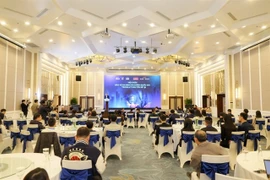
After nearly a year, all ministries and localities have organised training courses on artificial intelligence (AI) and digital applications for officials and civil servants. In September, a nationwide hybrid conference on AI applications attracted nearly 4,000 connection points from central to grassroots levels.
The “Digital literacy for all” movement has received strong leadership attention. Training programmes on digital transformation, AI and innovation have been rolled out with a spirit of decisiveness and action, following the Prime Minister’s directive of focusing on results and avoiding formality.
Can Tho city stands out with ambitious targets for 2025, including ensuring all public-sector employees possess digital transformation knowledge, equipping all high-school and university students with digital skills, and certifying nearly one million adults with basic digital literacy via the VNeID platform. Local authorities have developed a digital skills framework and coordinated across sectors to expand public access to digital knowledge.
According to Chairman of the municipal People’s Committee Truong Canh Tuyen, the movement must become a comprehensive, inclusive and people-centred revolution, ensuring no one is left behind. Political and social organisations, community digital teams and grassroots communicators play a key role in supporting citizens, with people and businesses placed at the centre of digital transformation.
A key strength of the movement is its practicality, tailored to different population groups and local conditions. In the northern province of Quang Ninh, community digital teams provide hands-on guidance for residents, particularly the elderly, in using smartphones, electronic identification and online public services. In Hue, free digital classes help residents form digital living habits while enhancing two-way interaction with authorities.
In the Mekong Delta province of Dong Thap, the focus is on farmers, guiding them to use smartphones for digital production logs, product traceability and e-commerce. In mountainous provinces such as Son La, Lao Cai and Ha Giang, youth volunteers and grassroots officials act as “digital instructors,” helping ethnic minority communities access online public services, telemedicine and distance learning.
Breakthrough action
According to the Central Steering Committee on science, technology, innovation and digital transformation, in 2025, Vietnam achieved significant progress in science, technology, innovation and digital transformation, with related contributions estimated at 16.4% of GDP. Online public services expanded markedly, administrative procedures were simplified, and governance efficiency improved.
At a year-end conference of the committee on December 25, Party General Secretary To Lam emphasised that while 2025 laid a solid institutional foundation, 2026 must be a year of breakthrough action, shifting from policies to products, from ideas to tangible value for people and businesses.
Together, the “Digital literacy for all” movement and the nationwide innovation and digital transformation emulation drive are gradually realising the vision of a learning society in the digital era, creating a strong foundation for Vietnam’s fast, sustainable and inclusive development./.
VNA