Hanoi (VNA) – With only one month remaining in the 2025 fiscal year, achieving GDP growth of over 8% is a major challenge to create strong momentum for subsequent years. VietnamPlus held an interview with Nguyen Thi Huong, Director of the National Statistics Office (GSO), on growth scenarios and key solutions in the final stretch.
Reporter: With just one month left in 2025, achieving GDP growth of over 8% is a significant challenge. How does the NSO assess the feasibility of this target, and which supply- and demand-side drivers need to be fully activated in this critical period?
NSO Director Nguyen Thi Huong: Achieving growth of over 8% requires extraordinary efforts in the final month, but we assess the target as fully achievable if existing growth drivers are effectively leveraged and decisice solutions are implemented.
The international environment remains fragile, with weak recovery momentum and persistent risks. However, the domestic economy continues to benefit from fundamental advantages. First, macroeconomic stability has been firmly maintained, providing a safe environment for production and business. Second, public investment remains a key growth engine, supported by strong political commitment. Third, Foreign Direct Investment (FDI) continues to grow positively, reflecting the confidence of international investors. Finally, the domestic market of nearly 100 million people, especially tourism and services, shows strong momentum thanks to demand-stimulus policies and the year-end festive season.
To realise the target, it is essential to maximise drivers on both the supply and demand sides.
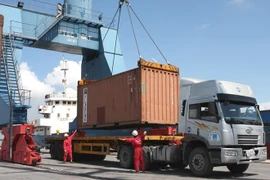
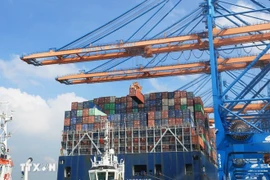
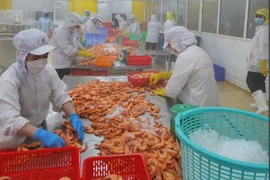
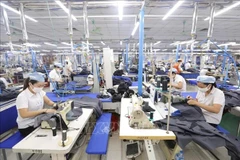
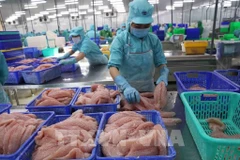
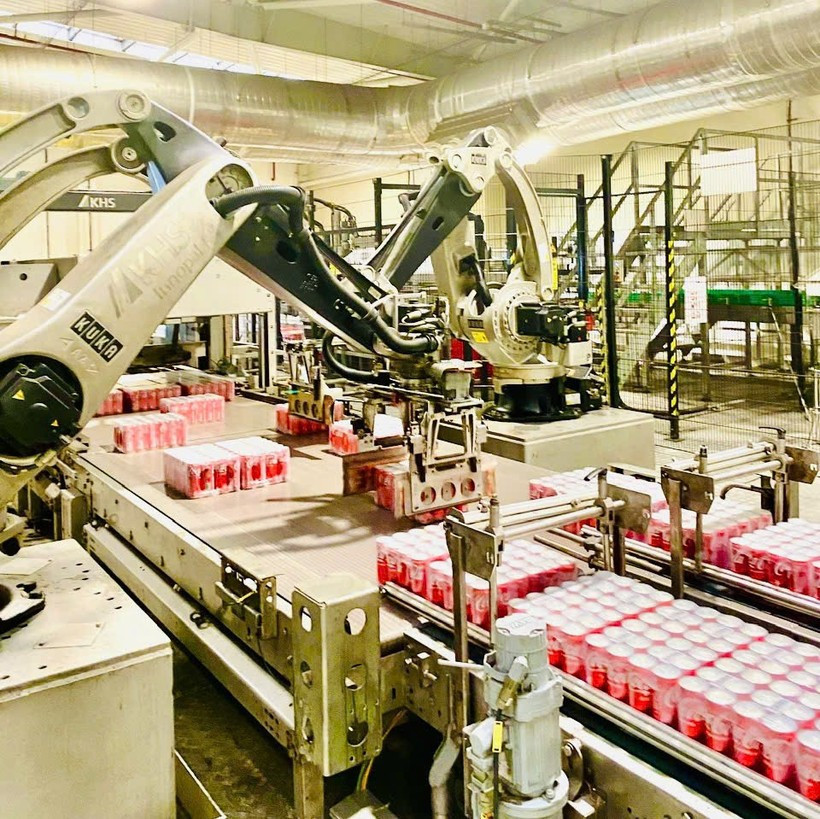
On the supply side, the processing and manufacturing sector continues to make the largest contribution to growth. Despite cost pressures, rising global consumption demand during the year-end holiday season is expected to accelerate production in key industries such as electronics, textiles and garments, footwear and furniture. Data for the first 11 months shows a positive picture, with the industrial production index increasing by an estimated 9.3% year-on-year, while processing and manufacturing rose 10.6%, contributing 8.5 percentage points to overall growth.
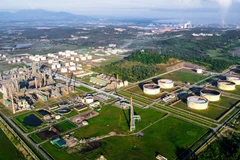
In addition, after a prolonged period of negative growth, the mining sector has returned to positive growth over the past 11 months. This is an important signal, helping to ensure energy security and increase budget revenues.
In the market, trade and retail activities continue to expand. Total retail sales of goods and consumer services increased by 9.1% year-on-year in the first 11 months. To achieve a stronger breakthrough, it is necessary to further promote digital technology applications, connect regional product distribution and roll out large-scale promotional and discount programmes during the year-end period.
Notably, tourism and related services are a major bright spot. Revenue from accommodation and catering services rose 14.6%, while travel services surged 19.9% over the same period. The planned expansion of visa exemptions for 12 additional countries is expected to provide a strong boost, generating positive spillover effects for transport, retail and entertainment services.
On the demand side, growth drivers are also being maximised. Public investment is the most important “seed capital”. By the end of November, State budget investment disbursement reached 72.2% of the annual plan, up 26.8% year-on-year. With a disbursement target of over 95%, the fourth quarter will be the peak period for public investment, creating strong spillover effects and converting capital into actual GDP growth.
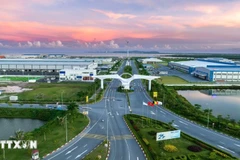
Meanwhile, realised FDI in the first 11 months is estimated at 23.6 billion USD, up 8.9%. Accelerating disbursement of registered projects will directly increase total investment demand and production capacity.
Private investment is also showing signs of recovery. In the first 11 months, nearly 178,000 enterprises were established, up 20.9%, while 97,600 enterprises resumed operations, up 36.9%. Total additional capital injected into the economy reached 5.6 quadrillion VND, an increase of 104.3%. These resources contribute significantly to economic growth.
At year-end, global demand during the festive season presents opportunities for Vietnam’s key export industries. Domestically, demand-stimulus programmes and cultural and festive events will strongly encourage consumer spending.
In addition, new growth drivers such as the digital economy, green economy and institutional reform are gradually taking effect, creating new value-added and enhancing overall productivity.
Reporter: In addition to favourable factors, the economy has suffered heavy losses from natural disasters. Does the NSO have quantitative assessments of these impacts, and what measures has the Government taken to ensure social welfare and mitigate their effects?
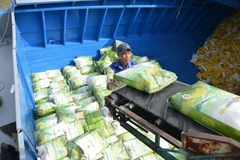
NSO Director Nguyen Thi Huong: Natural disasters are indeed a serious challenge and a significant drag on growth. According to compiled data, as of early December 2025, natural disasters caused economic losses estimated at nearly 99.5 trillion VND. Nationwide, nearly 352,000 houses were damaged or collapsed, and more than 541,000 hectares of rice and crops were affected.

These losses not only directly reduce agricultural output but also indirectly affect supply chains, industrial production and people’s livelihoods, thereby weakening overall demand.
Labour and employment survey results reflect this clearly, with 30% of households reporting at least one negative shock in the past 11 months. Among households experiencing income declines, 26.6% cited natural disasters as the main cause.
In response, social welfare has been prioritised by the Government and authorities at all levels. They’ve implemented decisive support measures. From the beginning of the year to November 27, the Government stabilise livelihoods for millions by distributing nearly 38,200 tonnes of rice to assist people during the Lunar New Year, periods of food shortage and post-disaster recovery. In addition, the central budget allocated 6.79 trillion VND to support localities in disaster recovery, including 2.63 trillion VND for areas affected by Typhoon No. 13 and floods in the South Central Coast and Central Highlands.
Reporter: Looking further ahead, what significance does achieving the 2025 growth target hold for the 2026–2030 plan and the goal of double-digit growth? What policy recommendations does the NSO propose?
NSO Director Nguyen Thi Huong: The outcome of 2025 has strategic significance for the entire subsequent five-year period. Achieving and exceeding the 8% growth target will create strong growth momentum.
First, it helps complete the 2021–2025 targets at a high level, expanding the scale of the economy. This larger base is critical for setting higher growth targets in the 2026–2030 period.
Second, it strengthens macroeconomic stability and boosts market and investor confidence. An economy with strong resilience and recovery capacity will attract high-quality FDI, especially as global supply chains are being restructured.
Third, the growth push in 2025 helps clearly identify new growth drivers such as digital transformation, green transition and the circular economy. These form the foundation for a higher-quality and more sustainable growth model.
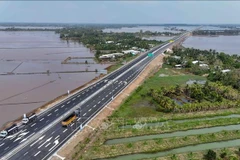
Finally, accelerated public investment in strategic infrastructure during this period will help remove bottlenecks and open up new development space for subsequent years.
To achieve double-digit growth from 2026, the GSO recommends a comprehensive and decisive policy package focusing on key pillars. These include prioritising growth alongside macroeconomic stability, controlling inflation, public debt and budget deficits within allowable limits to preserve policy space.
At the same time, it is essential to support enterprises in moving up value chains through preferential credit packages and technical assistance for research and development and digital transformation, enabling small and medium-sized enterprises to integrate more deeply into global supply chains.
Strong impetus should be given to new growth drivers, with breakthrough policies for the digital economy, semiconductor industry and artificial intelligence. A national innovation fund should be established, along with market creation for “Made in Vietnam” technology products.
FDI attraction should shift from quantity to quality, prioritising projects with high technological content, R&D commitments and high localisation rates.
Targeted consumption stimulus should be promoted, encouraging consumption of domestically produced goods with high value-added, particularly green technology products.
Opportunities from the green economy and carbon markets should be fully leveraged, with a leading role in energy transition and the establishment of a legal framework for carbon credit markets to turn environmental challenges into opportunities for green investment.
To achieve these goals, institutional reform must continue, along with cost reductions through the decisive removal of unnecessary business conditions and a reduction of at least 50% in processing time for investment- and business-related procedures.
The road ahead remains challenging, but with the foundations already in place, strong policy direction and effective solutions, there is a solid basis for confidence in a phase of rapid and sustainable growth.
Reporter: Thank you so much!