Hanoi eyes to develop greener tourism

Hanoi is set to become a green tourism leader by banning single-use plastics in hotels and tourist sites from 2026, marking a shift toward sustainable practices starting with everyday items.

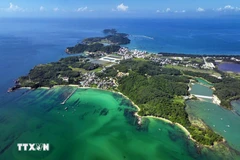
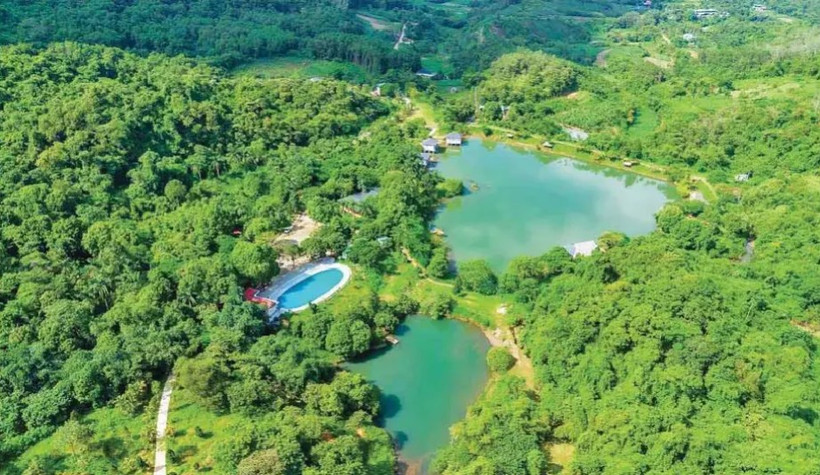
The Ba Vi mountainous area, dubbed the "green lung" of western Hanoi, is emerging as a model for sustainable tourism. (Photo: VNA)

Hanoi, July 22 (VNA) – Hanoi is taking steps to position itself as a pioneering green tourism city, with a roadmap that includes a ban on single-use plastics in hotels and tourist sites starting in 2026.

This policy marks a major shift toward sustainable tourism practices, beginning with everyday items like toothbrushes, razors, plastic bags, and miniature toiletry bottles.

From 2026, all accommodation establishments and tourist destinations in the capital will be prohibited from using single-use plastic products. The city plans to expand this ban further, with a phase-out of free plastic bags in markets and convenience stores, and a full halt to the production and import of single-use and microplastic-containing items by 2031.

Experts have hailed the move as a bold transformation for Hanoi’s tourism sector. According to Vu Quoc Tri, Secretary-General of the Vietnam Tourism Association, the green transition is not merely a trend, but a necessity. However, he acknowledged that the path is challenging, especially for small and micro businesses that make up the majority of Hanoi's tourism sector due to limited resources for eco-friendly upgrades. He called for tax incentives, green credit access, and stronger communication support to help businesses adapt.

The green transition is already being piloted at cafes, restaurants, and beverage outlets within the downtown Ring Road 1 area, where plastic-free practices are being tested. These initiatives aim to reduce plastic waste while elevating Hanoi’s global image as a modern, environmentally-friendly destination with a humane approach to nature.

Beyond banning plastics, Hanoi is cultivating green tourism products and destinations. The Ba Vi mountainous area, dubbed the "green lung" of western Hanoi, is emerging as a model for sustainable tourism. Home to pristine forests, cool climate, and rich ethnic culture, the area now offers experiences such as Dao ethnic community stays, herbal bathing, wellness retreats, trekking tours, and visits to sacred sites like Thuong Temple and the K9 relic site.

Urban green tourism is also gaining ground with creative tours such as electric car rides through Hanoi's Old Quarter, French architecture walking tours, and cycling trips to ancient villages like Co Loa and Bat Trang. In Hoan Kiem ward, 30 heritage sites have adopted a smoke-free tourism model to provide cleaner, healthier environments for visitors.

Efforts to raise awareness and build capacity are underway. Training sessions on waste reduction, wildlife protection, and eco-friendly behaviour are being offered alongside study tours. Hanoi is also developing a green tourism evaluation framework, covering energy use, biodiversity protection, and community contributions, to guide and support destinations in their green shift.

According to Dang Huong Giang, Director of Hanoi’s Tourism Department, models like the Huong Son eco-tourism site have already shown tangible results, with tourism and services contributing nearly 35% to the local economy.

As global travelers increasingly prioritize environmental responsibility and sustainability, Hanoi’s consistent pursuit of green tourism is not only enhancing its brand but also building long-term competitiveness starting with something as simple as a bamboo toothbrush or a reusable shopping bag./.


VNA

See more

Illustrative image (Photo: nhandan.vn)

20 trailblazing companies in national green ESG rankings honoured

In 2025-2026, the “For a Green National Environment” programme will pivot around six tasks that merge expertise with broad social outreach, including targeted communications, "Journey to Net Zero" conferences and trainings, ESG surveys and announcements, a "National Green Ambassador" contest, a "Green Fashion" design competition, and the rollout of "National Green Station" models focused on zero-waste living.

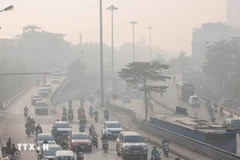
Air pollution in Hanoi. (Photo: VNA)

Hanoi to launch 5,000 public electric bicycles

In a move to reduce air pollution and promote green mobility, Hanoi has approved a plan to deploy 5,000 public electric bicycles, alongside restrictions on petrol- and diesel-powered vehicles in the city’s central area.

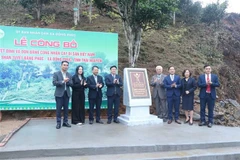
Official heritage plaque i sinstalled on the 12 recognised Shan Tuyet tea trees in Dong Phuc commune. (Photo: VNA)

Thai Nguyen: 12 ancient Shan Tuyet tea trees win national heritage status

The recognition honours the biological, cultural and historical values of these centuries-old Shan Tuyet tea trees – natural treasures deeply woven into the livelihoods, traditions and identity of local ethnic communities. The title affirms the community’s commitment to preserving and promoting the value of this iconic local tea variety.

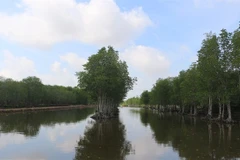
Sarus cranes at Tram Chim National Park (Photo: VNA)

Return of sarus cranes: Hope takes wing in Dong Thap wetland

Beneath the wide Mekong Delta sky, Tram Chim National Park is racing against time, pouring heart and science into a decade-long (2022–2032) plan to rescue the Eastern sarus crane – an elegant, scarlet-headed bird listed as endangered on the International Union for the Conservation of Nature (IUCN) Red List and a living emblem of both the park and all of Dong Thap province

French Ambassador Olivier Brochet speaks at the press conference in Hanoi on December 11 to mark the 10th anniversary of the Paris Agreement on climate change and highlighting the COP30 outcomes. (Photo: VNA)

International community ready to support Vietnam in energy transition, climate response

In a video message to the press conference, UN Resident Coordinator in Vietnam Pauline Tamesis said the UN is ready to support Vietnam in building a pipeline of projects capable of absorbing financing mobilised under the Political Declaration on establishing the Just Energy Transition Partnership (JETP), as well as from global climate finance sources, including the Green Climate Fund and the Loss and Damage Fund.

Forest rangers in Son La province apply technological devices and software to forest management, monitoring, and protection. (Photo: nhandan.vn)

Digital technology application enhances forest management, protection

With a total forest area of over 14 million hectares, including more than 10 million hectares of natural forests, forests exist in all 34 provinces and cities across the country. Given the large area and limited workforce, applying digital solutions in forest management and protection has become a top priority for the forestry sector.

Sunda pangolins (Manis javanica), also known as the Javan pangolin, are listed in Group IB – critically endangered and strictly protected from all commercial exploitation (Photo: VNA)

Quang Ngai releases rare pangolin back into nature

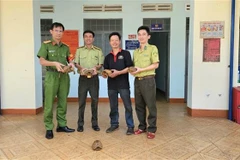
Initial verification showed that the animal weighed 3.7kg and measured over 60cm. It was identified as a Sunda pangolin (Manis javanica), also known as the Javan pangolin, listed in Group IB – critically endangered and strictly protected from all commercial exploitation.

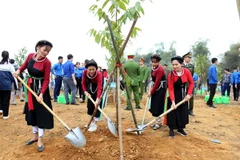
Residents of Tuyen Quang province take part in the One Billion Trees Programme. (Photo: VNA)

Tree-planting programme exceeds one-billion-tree goal

The total comprises 573.9 million scattered trees and 865.2 million trees grown in concentrated plantations, equivalent to 429,125 hectares of forest. Provinces posting the strongest results include Phu Tho with 177.9 million trees, Lao Cai with 108.8 million, and An Giang with 98.5 million.