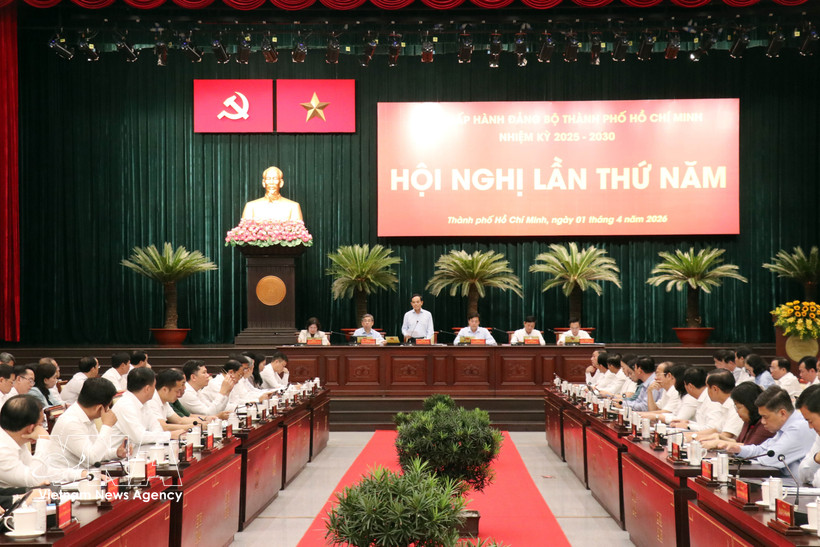
Ho Chi Minh City (VNA) – Ho Chi Minh City is weighing a plan to waive bus fares for all residents as part of a broader push to curb traffic congestion and environmental pollution, Secretary of the municipal Party Committee Tran Luu Quang said at a meeting on April 1.
Addressing the fifth meeting of the municipal Party Committee for the 2025–2030 term, Quang said the local authorities have agreed in principle to waive bus fares and seaport infrastructure fees, assigning the municipal Department of Construction to work out detailed implementation plans.
The city currently offers free bus rides for residents aged 60 and above, costing an estimated 1.7 trillion VND (over 64.5 million USD) annually. Extending the policy to all passengers will require around 7 trillion VND per year from the local budget.
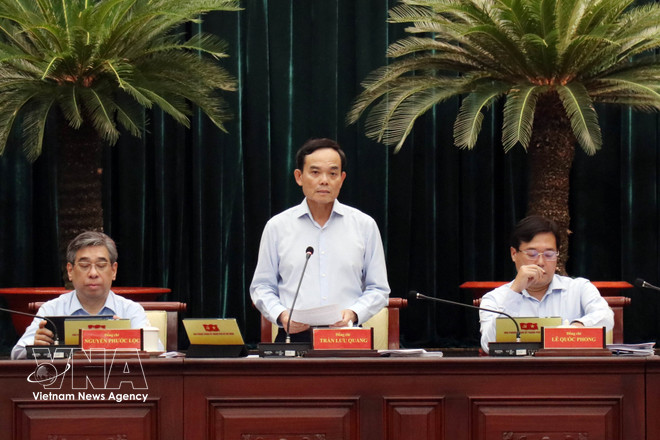
According to Quang, the policy is aimed at achieving major long-term goals, particularly reducing traffic congestion and improving air quality. He noted that at the city’s first Party Congress, Party General Secretary To Lam tasked the city with tackling these persistent challenges.
Making bus rides free, he said, will encourage people to shift away from private motorbikes toward public transport.
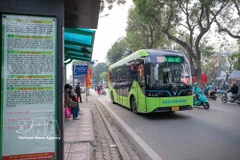
The municipal Department of Construction has been tasked with proposing measures to improve the efficiency and punctuality of bus services, while enhancing service quality. Efforts will also be made to gradually increase the number of electric buses, using economic mechanisms and solutions to address environmental issues, starting with small, achievable steps.
Director of the municipal Department of Construction Tran Quang Lam said Ho Chi Minh City has been implementing a transport infrastructure development plan for 2020–2030, with a strong focus on expanding public transport and reducing reliance on private vehicles.
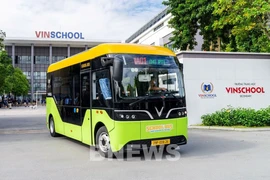
The city currently operates 178 bus routes and has been at the forefront of green transport transition, with around 600 electric buses in service. Efforts are underway to better integrate bus networks with metro lines, while public transport usage has shown gradual improvement.
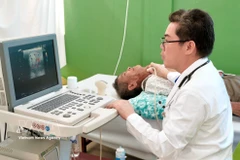
Beyond transport, Quang directed the health sector to conduct at least one round of free health screening for all residents in 2026, in line with the Politburo’s resolution on improving public health and following guidance from the Party leadership. He stressed that Ho Chi Minh City should take the lead nationwide in this effort.
Delegates also reviewed socio-economic performance of the city in the first quarter of 2026 and discussed priorities for the second quarter, alongside Party-building and political system consolidation.
According to Truong Minh Huy Vu, Director of the Ho Chi Minh City Institute for Development Studies (HIDS), the city’s economy grew by over 8% in the first quarter, below target but still a positive outcome compared to the same period in recent years.
Investment inflows remained strong, with nearly 3 billion USD in newly registered and additional foreign direct investment (FDI), mainly in priority sectors such as logistics and high technology. Domestic consumption rose 13.7%, with tourism continuing to serve as a key growth driver.
Meanwhile, Director of the municipal Department of Finance Hoang Vu Thanh said the city is expected to attract an additional 8.9 billion USD in FDI in the second quarter./.