Jakarta (VNA) – Indonesia is witnessing a sharp increase in measles cases, raising concerns that the surge may be linked to declining vaccination rates and growing reluctance to use vaccines following the end of the COVID-19 pandemic.
In response, doctors are advising parents to limit their children's exposure to large gatherings, especially during the upcoming Eid al-Fitr holiday, when families often meet in large numbers, increasing the risk of disease transmission.
Measles commonly causes symptoms such as fever, rash and cough, but can lead to serious complications including pneumonia and encephalitis, which can be life-threatening, particularly in unvaccinated children. In Indonesia, most measles patients are children. By 2025, about 80% of measles cases were reported among children aged nine and under, with those under five – the highest-risk group – accounting for up to 53%.
According to data from the World Health Organisation (WHO), Indonesia recorded 10,744 measles cases in the second half of last year, making it the country with the second-highest measles incidence rate in the world after Yemen. The total number of cases rose sharply from 7,191 in 2024 to 17,204 in 2025. As of March 3, the country had recorded an additional 10,453 suspected cases.
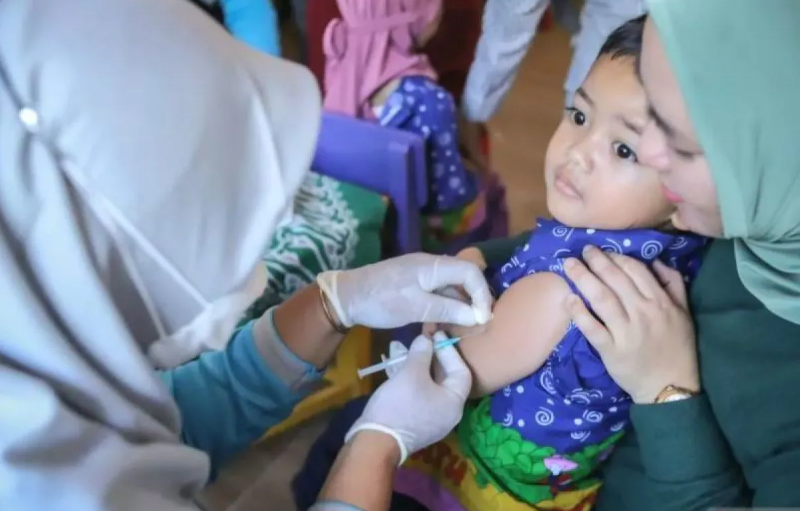
The Indonesian Ministry of Health said current vaccine supplies are sufficient to cover provinces for at least two months and that authorities are accelerating vaccination programmes, particularly in areas with high numbers of measles cases, ahead of the holiday season.
Acting Director General for Disease Control at the Indonesian Ministry of Health Andi Saguni said parents are encouraged to check their children’s vaccination status and complete any missing doses as soon as possible. Vaccination remains the most effective protection against measles, he added./.