Lang Son joins UNESCO’s global geoparks network

Lang Son Global Geopark, with its outstanding geological values, cultural heritage, and unique natural landscapes, represents a valuable addition to UNESCO’s global geoparks system.
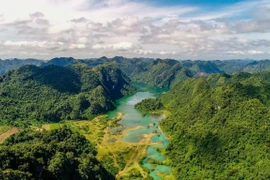
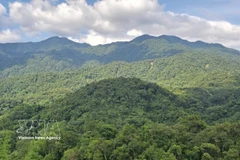
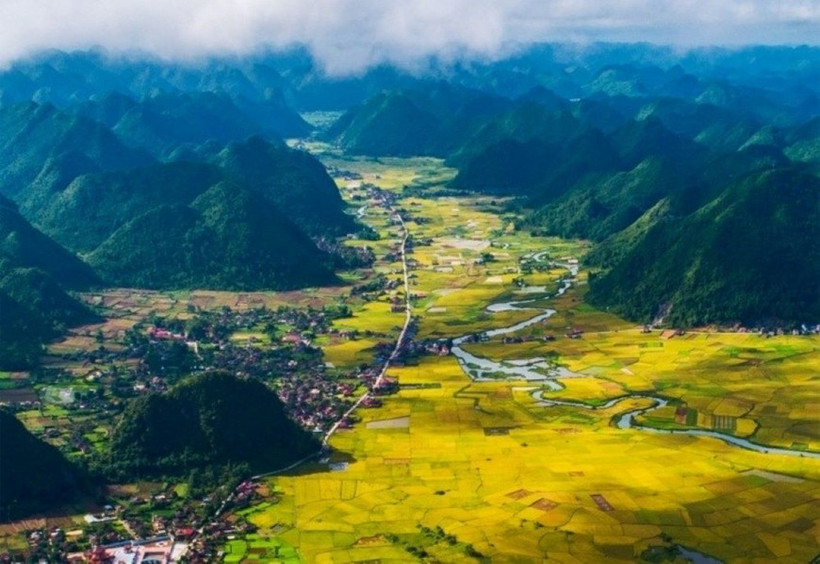
A view of the Bac Son limestone block in Lang Son Geopark (Photo: langson.gov.vn)

Paris (VNA) – Lang Son Geopark of Vietnam has been officially recognised as a UNESCO Global Geopark, alongside 15 others worldwide, at a special certificate presentation ceremony held in Paris on June 2.

Speaking to Vietnam News Agency (VNA) correspondents in France, Ambassador Nguyen Thi Van Anh, Permanent Representative of Vietnam to UNESCO, said UNESCO’s official recognition of Lang Son Geopark, located in the northern province of Lang Son, marks a significant milestone, opening up new opportunities for sustainable tourism development in the province. It also enables Lang Son to deepen its integration into the Global Geoparks Network, fostering cooperation and experience sharing in the management, conservation, and promotion of humanity’s natural heritage in service of sustainable development.

The diplomat further affirmed that Lang Son Global Geopark, with its outstanding geological values, cultural heritage, and unique natural landscapes, represents a valuable addition to UNESCO’s global geoparks system.

lang-son-joins-unescos-global-geoparks-network.jpg
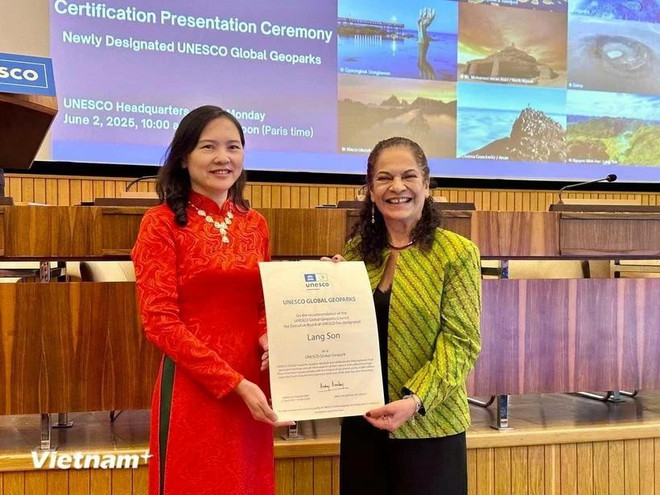
Lidia Brito, UNESCO Assistant Director-General for Natural Sciences, presents the Certificate of UNESCO Global Geopark designation for Lang Son Geopark to Ambassador Nguyen Thi Van Anh, Permanent Representative of Vietnam to UNESCO. (Photo: VNA)

Antonio De Sousa Abreu, Director of UNESCO’s Division of Ecological and Earth Sciences, said the Global Geoparks Programme aims to promote sustainable development through the combination of natural resource conservation and support for local community development. Lang Son’s inclusion in the network not only helps strengthen regional identity but also encourage dialogue among scientists, policymakers, administrators, communities and, especially, the youth, who can find in the network meaningful and practical development opportunities.

Expressing satisfaction with Vietnam’s proactive engagement, Kristof Vandenberghe, Chief of UNESCO’s Earth Sciences and Geoparks Section, expressed his hope that Vietnam will continue to protect heritage while respecting local traditions, whether it is geological heritage or biodiversity, and working collectively on water resource management.

Established in 2015, the title of “UNESCO Global Geopark” recognises geological heritage of international significance. The UNESCO Global Geoparks Network currently comprises 229 geoparks across 50 countries. These sites serve local communities by preserving unique geological heritage, raising public awareness, and promoting sustainable development.

Lang Son Geopark is Vietnam’s fourth site to receive the designation, following the Dong Van Karst Plateau (designated in 2010), Non Nuoc Cao Bang Geopark (2018), and Dak Nong Geopark (2020)./.
VNA

See more

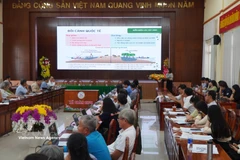
Tram Chim National Park and the Mekong Conservancy Foundation (MCF) organise the workshop on sustainable restoration of wetland ecosystems in the Mekong Delta on March 24. (Photo: VNA)

Solutions sought to restore Mekong Delta wetland ecosystems

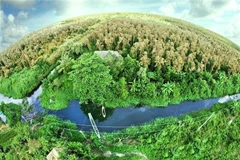
Experts at the workshop described wetlands as the “ecological heart” of the Mekong Delta, playing a vital role in water storage and regulation, climate moderation, carbon sequestration, biodiversity conservation, and livelihoods for millions of people through aquaculture, agriculture, and ecotourism. These ecosystems also help reduce disaster risks and enhance climate resilience.

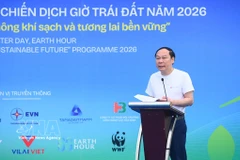
Deputy Minister of Agriculture and Environment Le Cong Thanh speaks at the ceremony to launch major environmental campaign. (Photo: VNA)

Vietnam calls for collective action on water, air, climate and sustainable future

Deputy Minister of Agriculture and Environment Le Cong Thanh underscored that water, climate, and energy are fundamental pillars of sustainable development. In Vietnam, water resources and weather patterns influence every aspect of life, from food and water security to livelihoods, ecosystem stability, and economic growth.

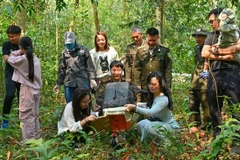
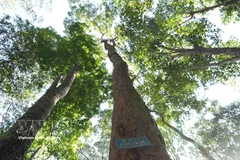
The population of trac (Dalbergia cochinchinensis) trees is strictly protected in the Dak Uy special-use forest. (Photo: VNA)

Vietnam highlights forests’ role in sustainable growth on International Day of Forests

According to Director of the Forestry and Forest Protection Department Tran Quang Bao, forests hold a strategic position in Vietnam’s development. They provide livelihoods for millions of people, particularly ethnic minorities and communities living in mountainous and forested areas, while contributing to environmental protection and disaster prevention.

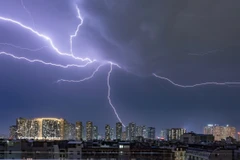
The World Meteorological Day 2026 carries the theme “Observing Today, Protecting Tomorrow”. (Photo: VNA)

Ministry guides response to World Meteorological Day, World Water Day 2026

The Ministry of Agriculture and Environment urged ministries, agencies, local authorities, embassies, and international organisations to hold practical and effective activities aligned with the themes. Suggested activities include displaying eco-friendly banners, posters, and billboards in public spaces, streets, government offices, and other suitable venues to raise public awareness of the events’ importance.

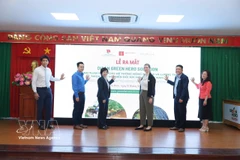
Delegates launch the Green Hero Solution project in Ho Chi Minh City on March 12, 2026. (Photo: VNA)

Vietnam, Denmark cooperate to pilot circular food model

Under the “Green Hero Solution” project, organic food waste will be collected from partner organisations and businesses and processed into compost. The compost will then be used at two Food Bank community gardens, where fresh vegetables will be grown to support disadvantaged households.

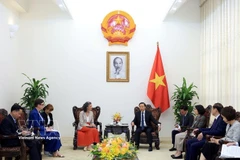
Deputy Prime Minister Tran Hong Ha meets with UNDP Resident Representative Ramla Khalidi and WHO Representative in Vietnam Angela Pratt in Hanoi on March 11. (Photo: VNA)

Vietnam steps up partnership with UNDP, WHO in tackling air pollution

Highlighting Vietnam’s close partnership with the two UN agencies, Deputy PM Ha highly appreciated their important contributions to the country’s development over the years, particularly in policy consultation, institutional reform and promoting sustainable development initiatives.

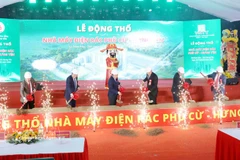
The groundbreaking ceremony for the Phu Cu waste-to-energy plant project in Doan Dao commune, Hung Yen province, on March 6 (Photo: VNA)

Hung Yen breaks ground on 4 trillion VND waste-to-energy plant

With a population of about 3.5 million, Hung Yen generates around 1,850 – 2,000 tonnes of household waste each day, along with about 1,000 tonnes of waste from production and business establishments, posing a major challenge for the locality.