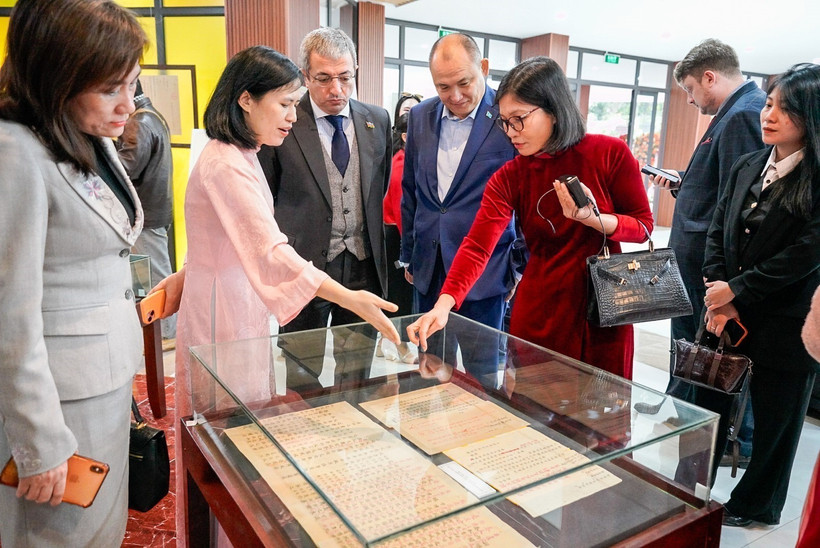
Hanoi (VNA) – The Ministry of Home Affairs’ State Records and Archives Department on January 28 unveiled a space introducing Vietnam’s world documentary heritage and outstanding national archival collections, in a move to make historical records more accessible to the public.
The modern, scientifically designed venue features three core zones. At its very centre is a state-of-the-art media area that converts archival documents into digital content, interactive multimedia displays, and searchable data formats.
Another zone offers an overview of Vietnam’s world documentary heritage and outstanding national archives. Here, visitors may glide their fingers across touchscreens to explore, discover and engage with the original materials themselves.
Nearby, a zone chronicles the evolution of Vietnam's archival profession, paying gentle homage to the archivists who have preserved and passed down the country's documentary legacy across generations.
Conceived as both a "visual history classroom" and versatile event venue, the space will host extracurricular activities and offer hands-on learning opportunities for students, while doubling as a go-to resource for researchers, the public, and foreign visitors alike.
Dang Thanh Tung, Director of the State Records and Archives Department, described national archival materials as the most authentic witnesses to Vietnam's historical path, mirroring its cultural values, governance thinking, and progress over periods. Among them, the Nguyen Dynasty woodblocks and imperial records, inscribed on UNESCO’s Memory of the World Register, stand out as symbols of national pride and invaluable cultural assets.
Recognising their significance, the department has moved beyond mere custodianship to embrace a philosophy of active stewardship, access and meaningful public connection. The new space fully supports the 2024 Archives Law's emphasis on open information access and heritage appreciation, while adhering to global practices.
Besides, complying with Resolution No. 57-NQ/TW on science – technology development, innovation and national digital transformation, the department perceives that digital transformation in archiving is to transform the way information is supplied and the way the public acccess and use archives, Tung added.
Situated in central Hanoi, the venue is poised to become a culturally profound destination, offering a comprehensive, authentic window into Vietnam's layered history, heritage, and governance traditions, all revealed through the presence of original documents themselves.
It will open to the public free of charge starting on March 3, the 15th day of the first lunar month, from 9:00–16:00 on weekdays.
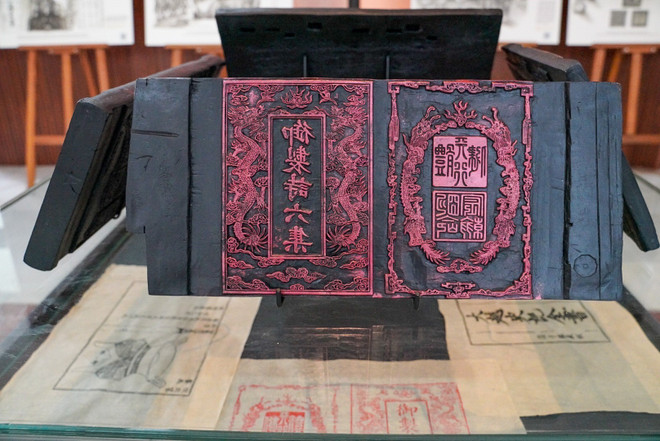
To mark the occasion, an inaugural exhibition will transport visitors into the world of royal Tet as chronicled in Nguyen Dynasty imperial records and woodblocks. Hands-on delights await, from the art of woodblock rubbing on traditional “do” paper to the timeless exchange of spring calligraphy. It promises to become a must-visit spring outing spot for Hanoi locals and travellers from every corner of the country.
Looking ahead, the department plans a series of thematic exhibitions tied to major political and historical events, national holidays, and national education curriculum, each drawing authentic insights from Nguyen Dynasty woodblocks and imperial records and other outstanding archival holdings./.