Hanoi (VNA) – Philippine President Marcos Jr.’s recent official visit to Cambodia aimed not only to deepen bilateral ties and tackle shared challenges such as transnational crime, but also to unlock new opportunities for economic cooperation and trade expansion, according to analysts.
Last year, two-way trade stood at just 110 million USD, a modest figure compared with the countries’ potential. Economists held that while the current level is underwhelming, it reveals vast room for expansion.
According to Carlo Asuncion, chief economist of the UnionBank of the Philippines, beyond traditional trade, the Philippines can explore strategic sectors such as agriculture, manufacturing and digital services. Cambodia’s growing role as a manufacturing hub and its strategic location in the Mekong subregion make it an attractive partner for supply chain diversification.
Meanwhile, the Philippines could leverage its expertise in electronics, information technology and business process outsourcing to support Cambodia’s modernisation efforts, Asuncion added.
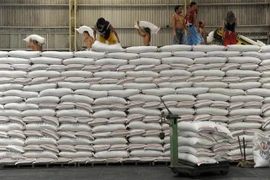
The economist emphasised that Philippine agribusiness companies can invest in Cambodian processing facilities to become key players in the Mekong agricultural value chain while ensuring a stable supply of commodities for the Philippines and enhancing its food security amid climate-related risks.
Another key sector that the two countries could explore for growth opportunities is tourism. For instance, the Philippines could attract more Cambodian visitors by increasing direct flight connectivity and holding joint marketing campaigns, Asuncion said.
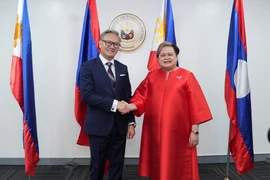
Philippine President Ferdinand Marcos Jr paid a three-day official visit to Cambodia from September 7./.

RoK, Philippines advance strategic partnership
President of the Republic of Korea (RoK) Lee Jae Myung and his Philippine counterpart Ferdinand Marcos Jr. discussed expanding trade and investment based on the bilateral free trade agreement, broadening the mutually beneficial cooperation, including Korean companies' involvement in the Philippines' infrastructure projects, such as maritime bridges, railways, and shipbuilding.