Singapore (VNA) - Singaporean researchers are investigating tropical plants commonly used by cancer patients for their purported anti-cancer properties to see if they can be used in the management or treatment of certain cancers.
They are starting with the bandicoot berry, Sabah snake grass and moringa, which they have already sequenced, along with 97 other plant species from the region.
These plants are all found in the genomic garden at the Singapore General Hospital (SGH), which was set up by the SingHealth Duke-NUS Institute of Biodiversity Medicine (BD-Med) for genomic research and conservation purposes.
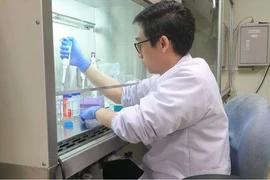
The three plants are being screened against approximately 10 different cancer cell lines, including breast, colorectal, lung, liver and kidney cancers, to validate the response. A cancer cell line is a culture of cancer cells that are grown indefinitely in a laboratory setting, serving as a model for scientists to study cancer biology and test potential treatments.
This is, however, a long and complex process. The research is still in its early stages, and it may take five to six years before any findings can progress to clinical trials and be translated to the bedside, according to researchers./.
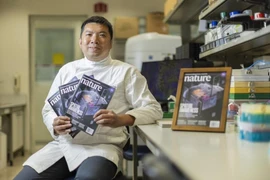
Singapore develops AI-powered model to predict risk of liver cancer recurrence
Researchers validated the system using tissue samples from 231 patients across five hospitals. Further validation studies are scheduled to begin later this year.