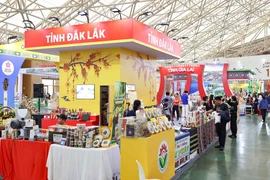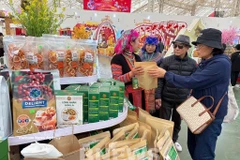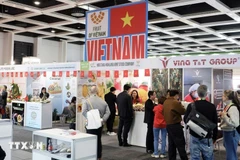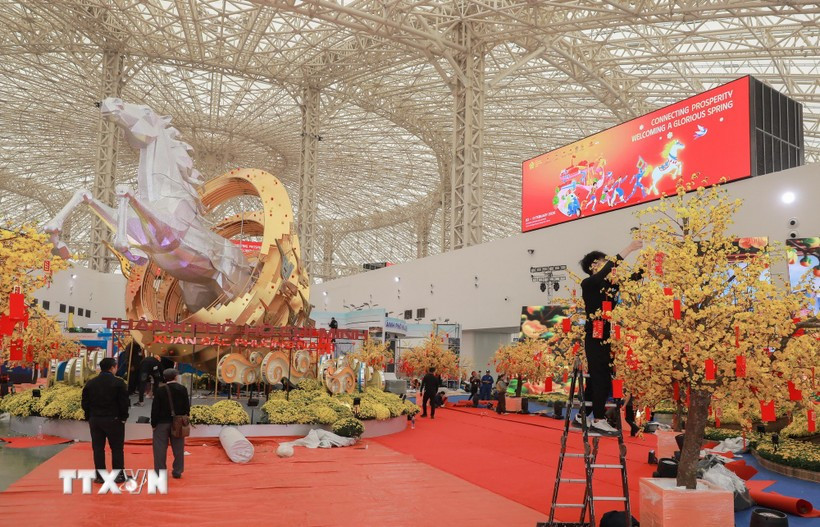
Kuala Lumpur (VNA) — Events like the Spring Fair are emerging as strategic catalysts, helping Vietnamese enterprises enhance technological capacity, meet stringent international standards and strengthen their global competitiveness beyond mere export turnover.
Speaking to Vietnam News Agency correspondents in Kuala Lumpur, Nguyen Thi Thanh Van, Vice Chairwoman of the Vietnam Business Association in Malaysia, said the real success of trade promotion events lies in effective business connections.
Malaysia has extensive experience in preparation, early invitation of suitable partners, and sustained post-fair engagement through digital platforms to ensure that buyer–seller relationships do not cool down once events conclude, Van said.
Sharing the same view, Ngo Quang Hung, Head of the Vietnam Trade Office in Malaysia, stressed that fairs should be organised as comprehensive promotion activities with depth and a long-term vision. In Malaysia, he said, such events are closely linked to national trade promotion strategies, combining strong business-to-business (B2B) connectivity with cultural and tourism promotion, thereby enhancing brand recognition directly among consumers.
In terms of key products, Malaysia is seeking to expand exports to Vietnam in areas such as Halal food, petrochemicals and high-end electronic components. According to Van, Malaysian Halal products are trusted by Vietnamese consumers not only for religious reasons but also thanks to their rigorous, hygienic and safe certification processes. In addition, as one of the world’s major semiconductor hubs, Malaysia offers smart energy solutions and high-tech components that Vietnamese manufacturers are increasingly seeking.
Hung added that Malaysian smart home solutions, digital medical devices and traceable agricultural technologies are particularly attractive to Vietnam’s growing trend of smart consumption. Beyond meeting consumer demand, these products also open room for technology transfer and joint product development between businesses in the two countries.
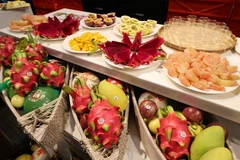
Conversely, Vietnamese products such as rice, tropical fruits, coffee and seafood are gradually building brand presence in Malaysian supermarkets. Notably, phone and computer components made in Vietnam play an important role in the supply chains of multinational corporations operating in Malaysia. However, to better penetrate the market, Vietnamese firms must overcome the major barrier of Halal certification.
Hung cautioned that competition from regional peers such as Thailand and Indonesia is intense, requiring Vietnamese exporters to improve packaging, labelling and understanding of local consumer preferences.
Van added that by 2026, “green” standards, eco-friendly packaging and reduced carbon footprints under ESG criteria will become mandatory for entry into Malaysia’s high-end retail systems.
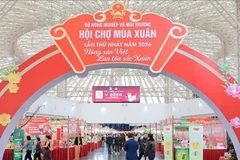
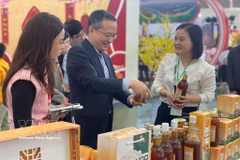
The growing presence of foreign products at fairs like the Spring Fair is expected to create healthy competitive pressure, encouraging Vietnamese businesses to move beyond their comfort zones. Van described these events as practical arenas for self-assessment, helping firms raise quality standards and optimise market-oriented thinking.
Through B2B sessions, Vietnamese companies can also access new production technologies such as artificial intelligence and automation, shifting competition from price-based to value- and knowledge-based models.
By engaging in contract manufacturing and partnerships with major global brands, Vietnamese firms can integrate more deeply into global value chains, learning stringent quality control processes. This exposure allows Vietnamese products to move beyond reliance on raw resources or low-cost labour, integrating technology and redefining competitiveness around value rather than price. Combining foreign technologies with Vietnam’s distinctive know-how and raw materials can help create unique products.
Hung expressed confidence that the seasonal fair series will serve as strategic tools to enhance the competitiveness of Vietnamese enterprises, promote joint production ventures and build sustainable supply chains.
In 2026, the Vietnam Trade Office in Malaysia plans to roll out initiatives such as Vietnam Goods Weeks and participation in major international fairs like MIHAS and MIFB, with a focus on helping Vietnamese firms standardise products and tap into Malaysian technologies applicable in Vietnam. These efforts aim not only to boost trade value but also to forge sustainable partnerships and increase added value for goods from both countries in an era of innovation-driven and sustainable trade./.