Hanoi (VNA) - UNESCO highly welcomes the vision reflected in the Politburo’s Resolution 80-NQ/TW, stated UNESCO Representative to Vietnam Jonathan Wallace Baker, stressing that by positioning culture as a core resource and a pillar for development, Vietnam is clearly placing people, values, and identity at the heart of its long-term national strategy.
In an interview granted to the Vietnam News Agency (VNA) on the newly-issued resolution on developing culture in the new era, Baker said that this approach is particularly significant amidst intensifying geopolitical uncertainties and the growing need for cross-cultural cohesion.
He explained that culture strengthens social cohesion and resilience, while helping societies navigate change without losing their sense of direction – a model of development that is both self-sustaining and globally integrated.
Recognising culture alongside the economic, social, and environmental dimensions fully aligns with global efforts to establish culture as a standalone pillar of sustainable development beyond 2030, he underlined.
From UNESCO’s perspective, the resolution articulates a concrete roadmap for structural reform, aiming to mobilise social capital, catalyse the creative economy, and safeguard cultural diversity. This builds upon Vietnam’s long-standing cultural advocacy and will enable Vietnam to navigate the complexities of the digital era and a volatile global landscape, he stated.
Regarding the resolution’s target of raising the contribution of cultural industries to 7% of GDP by 2030 and 9% by 2045, the UNESCO Representative said that, based on international experience, achieving such goals requires sustained political commitment and a long-term vision.
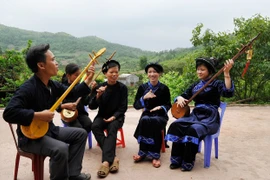
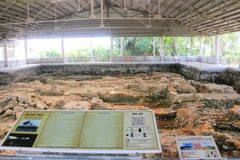
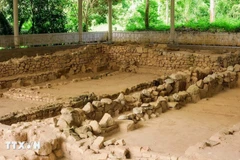
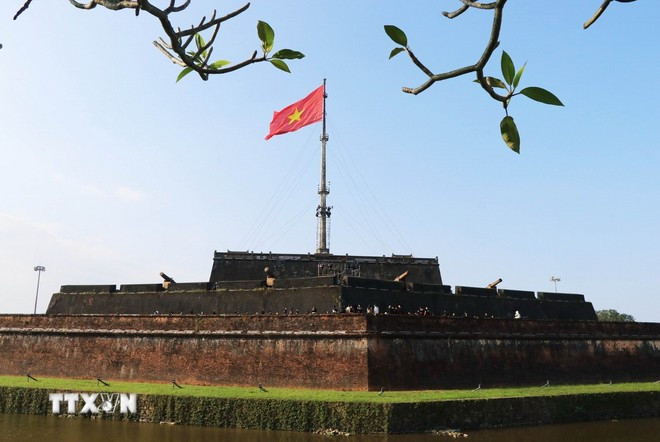
He asserted that Vietnam is well positioned thanks to the country’s clear political commitment, with cultural industries now embedded in high-level national policy, and a strong base of UNESCO-recognised assets, with nine World Heritage sites, 17 elements of Intangible Cultural Heritage, and four UNESCO Creative Cities, reinforcing Vietnam’s international visibility and providing tested frameworks for safeguarding heritage while supporting sustainable local development.
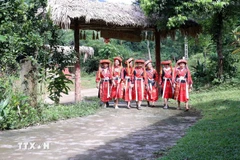
In addition, he highlighted Vietnam’s rich and living heritage ecosystem, where tangible and intangible heritage, craft traditions, and cultural practices remain part of everyday life, along with a dynamic and increasingly confident creative community, particularly among young people working in design, music, film, crafts, and digital content.
Growing international convening power and credibility, reflected in Vietnam’s governance roles within UNESCO bodies and its ability to contribute to global cultural agendas, for example by taking the lead to advocate for a Decade on Culture for Sustainable Development, he added.
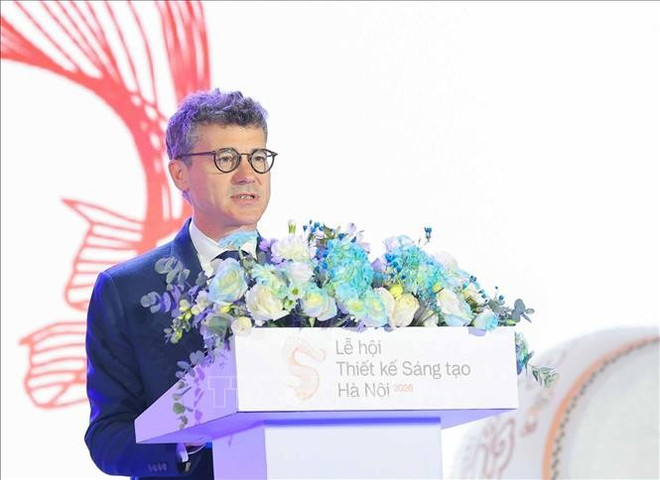
To translate this potential into economic contribution, the UNESCO Representative recommends building creative ecosystems rather than isolated projects, linking creativity with skills, markets, and sustainable livelihoods.
He also stressed the importance of investing in people through education, training, and creative spaces, so talent can grow and thrive over time.
UNESCO also encourages the advancing of sustainable and culturally sensitive tourism, ensuring that growth supports heritage conservation, respects carrying capacity, and delivers tangible benefits to local communities, and the promotion of
Public–Private–People partnerships, where governments, businesses, and communities share responsibility and benefits under clear and transparent governance frameworks.
If these conditions are put in place, cultural industries can become a genuine engine of growth, while preserving Vietnam’s cultural identity and social values, stated Baker.
With regard to the goal of placing Vietnam among the world’s top 30 countries in the Soft Power Index and securing five to ten additional UNESCO recognitions by 2045, Baker emphasised that recognition is not an end in itself. What truly matters is how these designations are used to create lasting value for people and communities.
He said that UNESCO will continue to accompany Vietnam in three key areas.
The organisation will support Vietnam in improving heritage protection and management. UNESCO will work with national and local partners to align regulations with international standards, expand the use of Heritage Impact Assessments, and reinforce cooperation among site managers, experts and communities.
It will continue to work with Vietnam in promoting sustainable and culturally sensitive tourism, and together with the private sector, local authorities, and the people, to advance responsible tourism models that protect heritage, foster creativity, while creating benefits for local communities.
Alongside, it will continue sharing good practices internationally, through UNESCO mechanisms such as World Heritage and the Creative Cities Network, helping Vietnam amplify its voice and visibility globally, Baker concluded./.