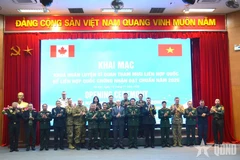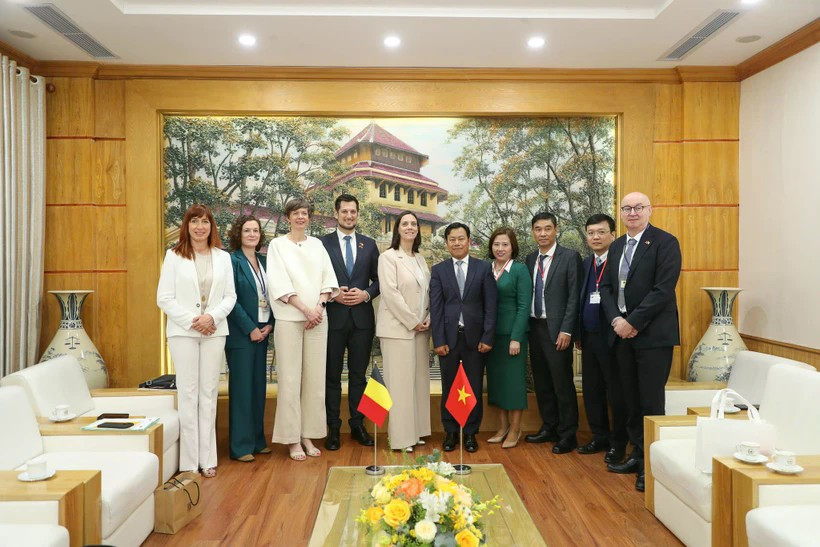
Hanoi (VNA) – The Vietnam National University (VNU), in coordination with Wallonia-Brussels Delegation to Vietnam, KU Leuven University, and Vrije Universiteit Brussel (VUB), organised a series of academic exchange and networking events on April 1, aimed at fostering cooperation in education and research between Vietnam and Belgium.
They include a seminar celebrating three decades of sustainable development through joint research, a high-level discussion on advancing academic and research partnerships, and a workshop on digital medicine for neurodegenerative diseases.
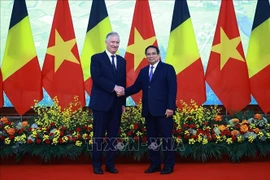
These activities took place during a visit to VNU in Hanoi by delegation of Belgian ministers, regional governors, and leaders from universities and research institutions. It formed part of the ongoing State visit to Vietnam by King Philippe and Queen Mathilde.
VNU-Hanoi President Le Quan emphasised the significance of these exchanges as a key milestone in the 30-year history of successful cooperation between Vietnam and Belgium in science, education, and research.
He noted that the collaboration has been continuously strengthened through joint research projects and exchanges of students and staff, with numerous successful initiatives addressing real-world challenges regarding environment, agriculture, health care, resource management, and urban development, and tourism.
Luc Sels, Rector of KU Leuven of Belgium, stressed the importance of expanding academic cooperation, especially in the face of global uncertainties.
He said Vietnamese and Belgian organisations have established an exemplary model of cooperation, where both sides contribute and benefit equally.
Sels outlined three pillars of collaboration: ensuring research excellence, translating results into tangible community benefits, and fostering societal relevance.
During the seminar on 30 years of strengthening sustainable development through joint research, participants discussed mechanisms and plans to further expand future research collaboration between Vietnam and Belgium. Successful research cooperation, they noted, requires the right tools and support mechanisms. Many emphasised the need for continued investment in academic partnerships and joint funding programmes to foster innovative solutions to shared challenges.
Additionally, the two nations agreed to cooperate in training high-quality human resources through expert and graduate exchange programmes, short-term training on advanced technologies, and knowledge transfer and management expertise.
The delegates also proposed a stronger commitment from both governments to continue investing in academic exchanges, research funding, and infrastructure to support long-term cooperation.
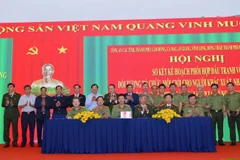
On this occasion, VNU-Hanoi and its affiliated units signed six cooperation agreements with Belgian organisations focused on education, research, and academic exchange.
The newly signed agreements are set to establish a stronger legal framework for expanding and diversifying collaboration between VNU-Hanoi and its Belgian partners.
In the near future, the two sides will launch joint research projects and co-host academic conferences and scientific seminars. Researchers from VNU-Hanoi and Belgium will work together on key initiatives in areas of mutual interest, including resource management, sustainable urban development, sustainable tourism, and information technology.
Under the partnership, students and lecturers from VNU-Hanoi will have opportunities to study and conduct research in Belgium. In return, Belgian scholars will visit VNU-Hanoi to share expertise and foster academic exchange. Looking ahead, both sides will also prioritise cooperation in emerging fields such as digital transformation, renewable energy, climate change adaptation, and cybersecurity.
Belgium has emerged as one of Vietnam’s most important partners in education and training. Thousands of Vietnamese students have been awarded scholarships to study at leading Belgian universities, contributing significantly to Vietnam’s pool of high-quality human resources. Joint research initiatives between institutions from both countries have produced tangible results, addressing pressing national challenges such as climate change, and others in water resource management, sustainable development, and healthcare./.