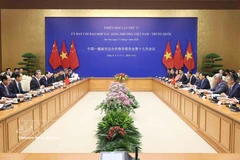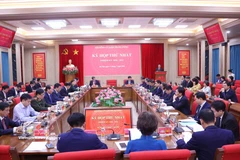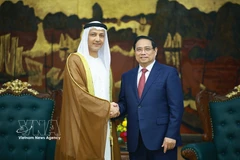
Hanoi (VNA) - Vietnam and Central and Eastern European (CEE) countries are committed to expanding cooperation in complementary sectors, promoting peace, and contributing to sustainable development in the regions and the world as well.
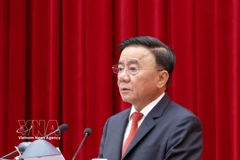
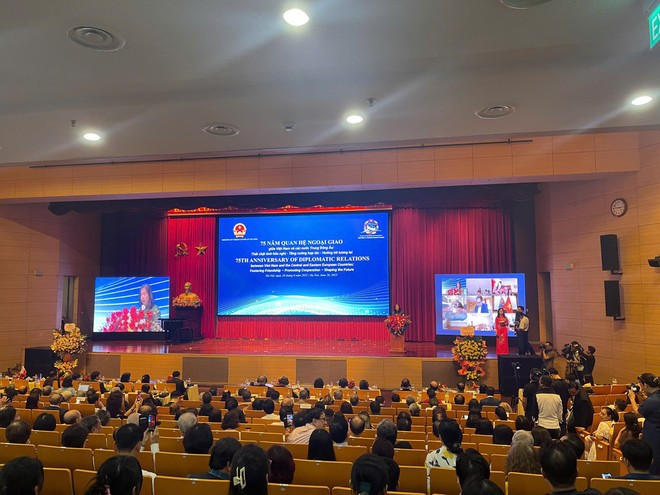
At the conference on 75 years of diplomatic relations between Vietnam and CCE countries, held on June 26 in Hanoi, Deputy Prime Minister Tran Hong Ha highlighted the enduring friendship between Vietnam and the CEE nations, emphasising shared values such as peace, independence, and freedom.
In addition to traditional areas of cooperation, Vietnam and the CEE countries will also enhance collaboration in smart agriculture, digital transformation, and green transition. Vietnam is also prepared to act as a bridge to help the CEE countries deepen their engagement with the Association of Southeast Asian Nations (ASEAN) and the Asia-Pacific region, the Deputy PM stated.
This relationship has overcome numerous historical challenges, with the CEE nations offering invaluable material support to Vietnam, reflected in numerous hospitals, schools, and factories that symbolise their lasting bonds.
The conference celebrated 75 years of fruitful cooperation, with Ha proposing five key tasks to elevate the Vietnam-CEE relationship, including enhancing political dialogue, promoting economic cooperation, and expanding collaboration in AI, green energy, science, and technology.
He also emphasised the goal of raising bilateral trade to 15 billion USD by 2030 and strengthening multilateral initiatives like the ASEAN-EU Green Cooperation Fund to achieve the 2030 Sustainable Development Goals.
Ha reaffirmed Vietnam’s commitment to facilitating favourable policies, legal frameworks, and an investment environment to ensure mutual development.
New initiatives to strengthen cooperation
As the world faces challenges like climate change, food crises, and pandemics, Vietnam’s cooperation with the CEE countries is increasingly critical for regional and global stability.
Ambassador Hynek Kmonicek of the Czech Republic proposed measures such as short-term visa waivers and direct air connectivity to enhance people-to-people exchanges and practical cooperation.
Associate Prof. Dr. Huynh Quyet Thang, Director of Hanoi University of Science and Technology and President of the Vietnam – Bulgaria Friendship Association, proposed long-term initiatives, including expanding university-research alliances, enhancing business cooperation in agriculture and pharmaceuticals, and promoting creative value-added products.
Deputy Minister of Foreign Affairs Le Thi Thu Hang affirmed that the seminar offered a valuable platform for exploring new, practical cooperation initiatives in green, digital, and circular economy, as well as fostering innovation and linking SMEs and young entrepreneurs. The Ministry of Foreign Affairs remains committed to turning these initiatives into effective cooperation programmes.
With a solid historical foundation, high political trust, and vast potential for future collaboration, Vietnam’s relationship with the CEE countries continues to grow stronger and more impactful, Hang said.
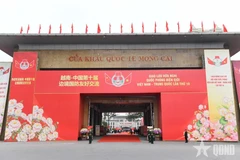
The conference, organised by the Ministry of Foreign Affairs and the Embassies of the six CEE countries, was attended by ambassadors, representatives from various ministries, local administrations, educational institutions, and businesses. Around 500 participants attended the event, with 20 Vietnamese and CEE businesses showcasing agricultural products and exploring future cooperation.
The seminar was organised by the Ministry of Foreign Affairs in collaboration with the embassies of the six Central and Eastern European countries (Poland, Slovakia, the Czech Republic, Hungary, Romania, and Bulgaria). These countries were among the first to recognise and establish diplomatic relations with Vietnam in 1950.
On the sidelines of the seminar, around 20 Vietnamese and CEE businesses participated in an exhibition to introduce and promote agricultural products, medical goods, and to explore cooperation opportunities./.