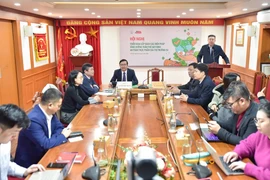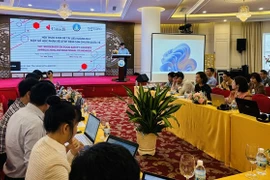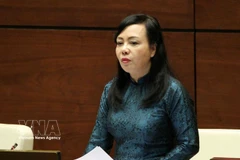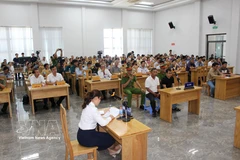
Hanoi (VNS/VNA) - The National Institute of Animal Science (NIAS), with support from the Food and Agriculture Organisation (FAO), the International Livestock Research Institute (ILRI), and the World Health Organisation (WHO), hosted a forum in Hanoi on June 7 to celebrate World Food Safety Day under the theme “Food Safety: Science in Action”.
The event underscored the essential role of science in ensuring food safety across the entire supply chain, from farm to table. It called for stronger collaboration between governments, producers, researchers, and consumers to implement science-based solutions that protect public health, strengthen food systems, and enhance Vietnam’s access to domestic and international markets.
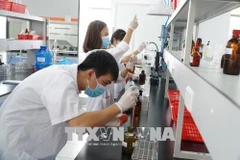
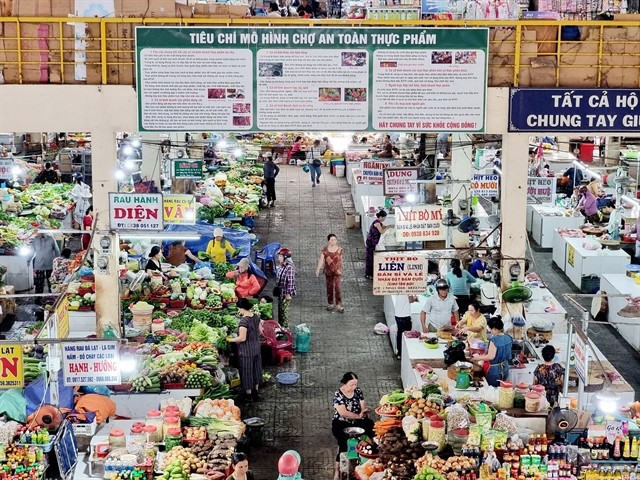
Food safety remains a critical public health challenge in Vietnam, with persistent risks, including microbiological contamination, pesticide residues, and the use of unauthorised additives, continuing to threaten consumer health and hinder the global competitiveness of Vietnamese agricultural products.
More than 200 students from Hanoi Law University and the Vietnam Women’s Academy attended the forum, participating in debates and discussions that showcased growing youth engagement in food safety and evidence-based policymaking.
Dr. Pawin Padungtod, Senior Technical Coordinator at the FAO’s Emergency Centre for Transboundary Animal Diseases in Vietnam, emphasised the importance of scientific solutions in ensuring food safety, stating: "Science gives us the tools to prevent foodborne diseases—we already know what works."
The forum provided a platform for future policymakers and professionals to exchange ideas, explore scientific approaches to food safety, and advocate for stronger regulations that protect public health.
“The challenge is turning knowledge into coordinated, consistent action. This means strengthening standards, hygiene practices, training for food handlers, and robust monitoring systems.”
Dr Sangjun Moon, WHO’s Health Security and Emergencies Team Coordinator in Vietnam, stressed the need for community education.
“Food safety can be achieved through practical measures such as WHO’s ‘Five Keys to Safer Food’: keep clean, separate raw and cooked food, cook thoroughly, store at safe temperatures, and use safe water and raw materials.”
Youth involvement was another key focus. “Safe food should be the norm, not the exception,” said Nguyen Hoang Phuong, Secretary of the Youth Union at the Vietnam Women’s Academy.
“Young people have a critical role to play in building a healthier, more sustainable food future.”
ILRI Asia Regional Representative Dr Fred Unger highlighted the importance of grassroots implementation.
“We need to co-develop practical tools and training with government and research partners so farmers and food handlers can adopt safer practices. Science must be applied where it matters most.”
This year’s World Food Safety Day in Vietnam delivered a unified message that food safety is a shared responsibility and that science must be actively applied to ensure food systems are transparent, resilient and trusted by all./.
Vietnamese firms advised to strictly comply with EU food safety regulations
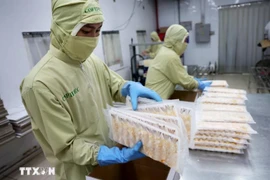
Vietnamese businesses should adhere to changes in EU quality and food safety standards to ensure compliance, as regulations are continuously revised, particularly those concerning novel foods and composite products, according to insiders.