Hanoi (VNA) - A report by UN Tourism shows that international tourist arrivals reached 1.4 billion in 2024, with Vietnam recording one of the region’s highest recovery rates at 98%, compared to the Asia-Pacific average of 87%.
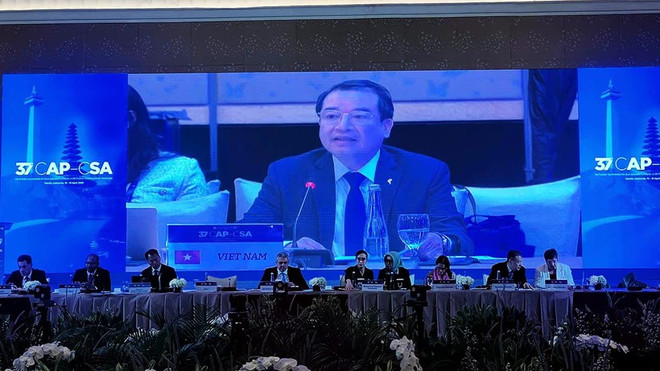
A delegation from the Vietnam National Authority of Tourism is attending the 56th Meeting of the UN Tourism Commission for East Asia and the Pacific (56th CAP) and the 37th Joint Meeting of the UN Tourism Commissions for East Asia, the Pacific and South Asia (37th CAP-CSA) in Indonesia.
These meetings are preparatory events for the 26th UN Tourism General Assembly, scheduled to take place from 7–11 November 2025 in Saudi Arabia.
According to UN Tourism, international arrivals in 2024 nearly reached pre-pandemic levels (1.5 billion in 2019), reflecting a strong rebound. Going forward, growth is expected to stabilise, with an estimated increase of 3–5% in 2025.
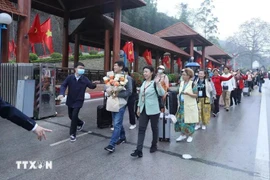
Vietnam’s international tourism recovery rate of 98% significantly outpaced the regional average. This was attributed to supportive visa policies, improved air connectivity, and rising demand for travel in segments such as green tourism, rural tourism, health care tourism, and MICE (Meetings, Incentives, Conferences, Exhibitions). The return of outbound travellers from China also played a key role.
However, the region continues to face several challenges, including skilled labour shortages, currency volatility, intense destination competition, high travel costs, and economic downturns in key markets.
To promote sustainable recovery, UN Tourism advised member states to focus on digital transformation, AI and innovation, infrastructure development, green transition, and strengthening human resources in tourism.
Deputy Director Ha Van Sieu noted that the region saw a strong recovery in 2024 thanks to countries’ active efforts in promoting tourism, developing new products, enhancing connectivity, and introducing more flexible entry policies.
In Vietnam, the tourism sector welcomed 17.6 million international visitors in 2024, up 40% from 2023, reaching 98% of 2019’s figure. This impressive performance stemmed from new visa facilitation policies, increased direct flights, and a wider range of tourism services.

Vietnam has also closely aligned with UN Tourism’s strategic priorities, advancing digital tools and AI, promoting the circular economy and green transition, supporting agricultural tourism, and empowering local communities.
Sieu also highlighted Vietnam’s active engagement in various initiatives, projects, and activities led by UN Tourism in the Asia-Pacific region. These initiatives have helped countries respond to new market demands, strengthen capacity, and build resilience against future uncertainties.
One notable milestone was Vietnam’s successful hosting of the first UN Tourism International Conference on Rural Tourism in Quang Nam province in December 2024. The event raised Vietnam’s profile both regionally and internationally, while emphasising sustainable development, community empowerment, and inclusive growth in tourism.
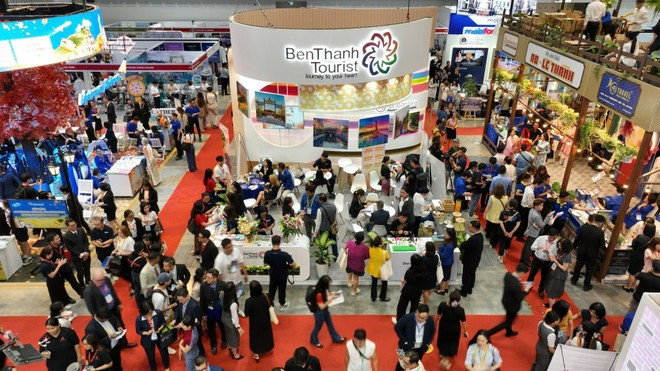
In preparation for the 2026–2027 Work Programme, based on member surveys, Vietnam expressed hope that UN Tourism would continue its support for countries in the region to address global economic instability, workforce shortages, and heightened competition.
Vietnam also proposed enhanced cooperation in developing rural tourism, improving workforce skills, and advancing market research and intelligence. The country reaffirmed its commitment to remain an active contributor to regional tourism development efforts./.